
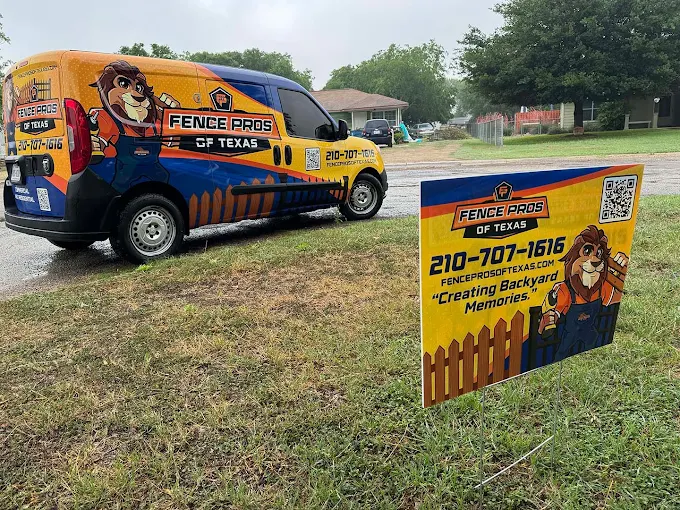
Commercial Fencing Solutions for Secure Texas Properties
A growing number of Plano businesses are dealing with the same problem: the fence line “looks fine” from the street, but the security gaps are quietly getting worse. A loose gate latch, a section of chain link that’s sagging, or posts that have shifted after seasonal storms can turn a perimeter into an easy point of access.
For commercial properties, fencing isn’t just about curb appeal—it’s about controlling access, protecting inventory, and reducing liability. In North Texas heat, wind, and occasional heavy rain, even a decent fence can fail early if it’s not built and maintained the right way.
At Fence Pros of Texas, we design and install commercial fencing systems with real-world durability in mind—often pairing the right material with the right post structure and hardware so the fence actually performs year after year.
Quick Answer
For secure Texas commercial properties, the best fencing solution usually comes down to three things:
- Correct material for the security goal (chain link for clear sightlines, aluminum/wrought iron for controlled access with visibility, privacy panels where you need to block views).
- Engineered post depth and bracing to resist Texas wind loads and soil movement.
- Gate and access control hardware sized and aligned for daily use (and automated systems when appropriate).
If you’re upgrading perimeter security, start by auditing weak points: gates, corners, and any fence sections with movement. Those are typically where breaches begin.
Commercial Fencing That Actually Secures a Perimeter
Every commercial site has different priorities—some need visibility for safety and monitoring, others need privacy from neighboring properties or passersby. We commonly see three perimeter security objectives:
1) Deterrence with controlled visibility
Chain link fences are popular when businesses need to keep lines of sight open for cameras and staff. If you want security without creating “blind spots,” chain link fence installations are often a practical fit, especially for larger sites.
2) Privacy and site separation
Some locations need to reduce visibility into the property—employee areas, outdoor storage, or sensitive equipment. Privacy-focused systems can be achieved with vinyl, wood, or mixed-material layouts, depending on your site conditions and local requirements.
3) A strong, clean look with secure gate lines
For office campuses and frontage areas, decorative fencing (like wrought iron or aluminum) can add professionalism while still supporting security goals—especially when paired with properly installed commercial gates and dependable latching.
If you’re evaluating materials, you may also want to compare how commercial plans differ from residential needs. Here’s a helpful baseline for homeowners: residential fencing solutions. Commercial projects are similar in concept, but the installation details and hardware expectations are usually more demanding.
What Property Owners Often Overlook
From the jobsite, the biggest surprises aren’t always the fence material—they’re the “invisible” elements that determine whether the system holds up.
The weak points we see most
- Gate frames that aren’t properly aligned (a gate that rubs or drags will wear out hinges and latches fast)
- Corners and end posts treated like regular line posts
- Posts set without accounting for drainage and soil movement
- Hardware chosen for aesthetics instead of daily operation
Common mistake property owners make
They focus on fence style and ignore post structure and drainage.
In North Texas, we often see early movement when posts aren’t set with the right depth and bracing strategy—or when water is allowed to pool at the base. Over time, soil changes and repeated wet/dry cycles cause lean, sag, and latch misalignment. Once a gate is misaligned, security degrades quickly because even “minor” gaps are easy to exploit.
What We Commonly See in North Texas Fence Installations
Texas weather is hard on perimeter systems. The pattern we see most often in Plano and the surrounding North Texas area includes:
- High heat + expansion/contraction (especially with vinyl and wood components)
- Wind-driven stress on corners and long fence runs
- Heavy rain events that soften soil near post bases
- Soil movement from drainage patterns and landscaping changes
Firsthand contractor observation
One recurring issue during upgrades: when we remove an older fence, we can sometimes see that the original post depth was inconsistent. A few posts were set deeper, and those sections often stayed straighter. The sections with shallower posts shifted first, which then pulled the adjacent panels out of alignment. That’s why “patching” one loose section can create another problem on the next run—because the system is already out of square.
Why Some Fence Systems Fail Early
A secure perimeter is a system—fence fabric, posts, bracing, gates, and hardware all work together. Failure usually comes from one of these categories:
1) Underbuilt end conditions
Corners, pull points, and gate zones need extra reinforcement. If they’re built like regular line runs, the fence can look fine initially and then loosen as forces build.
2) Hardware that can’t handle daily use
A commercial gate gets opened and closed constantly. If hinges, latches, or rollers are undersized or poorly installed, you get:
- sag over time
- latch failure
- gaps at the lock side
- increased maintenance calls
3) Missing access control planning
A perimeter fence is only as secure as the access method. If the gate doesn’t match your workflow—delivery times, staff schedules, vehicle access—people start using workarounds that weaken security (propping gates, leaving them partially latched, or using unauthorized entry points).
If access control is part of your upgrade, it’s worth planning the gate and control system together rather than treating them as separate projects. For example, we can support automatic access control systems like these: access control systems.
Mistakes That Reduce Fence Lifespan
Even well-built fences can wear down early if maintenance and planning aren’t consistent.
5 mistakes we commonly see
1. Letting vegetation grow against fence lines (traps moisture and accelerates corrosion/decay)
2. Ignoring drainage changes after sprinklers or landscaping adjustments
3. Using the wrong cleaner on vinyl or metal (some products haze or weaken surfaces)
4. Skipping tightening/inspection of gate hardware until the gate drags badly
5. Replacing only one section without checking whether the entire line has shifted
Fence repair vs. replacement
If a section is loose due to post movement, replacing fence panels alone often doesn’t solve the root cause. The better approach is to evaluate whether:
- posts need re-setting or reinforcement
- the gate frame needs alignment
- bracing is missing at corners or pull points
When repairs are the right answer, we focus on restoring alignment and stability—not just patching appearances. If you’re dealing with an aging perimeter, you may need commercial fencing solutions that include the repair and replacement planning businesses actually need.
Installation, Repair, and Maintenance Checklist
A secure perimeter is easier to keep secure when you have a simple routine. Here’s a practical checklist we recommend for commercial property managers.
Fence and gate maintenance checklist (quarterly + after storms)
- Walk the perimeter and note any sagging sections, leaning posts, or unusual gaps at gates.
- Check gate operation
- Does it open/close smoothly?
- Are hinges tight?
- Does the latch engage fully without forcing?
- Inspect hardware corrosion
- Look at hinges, latch points, and any fasteners near ground level.
- Verify post stability
- Watch for movement at corners and gate zones.
- Clear vegetation
- Keep shrubs and vines off the fence line to reduce moisture retention.
- Check drainage patterns
- After rain, confirm water isn’t pooling near bases.
- Review access flow
- If deliveries require frequent access, confirm the gate setup supports that workflow safely.
Optional Comparison Table: Common Commercial Fence Choices
| Material | Best Fit | Security Strength | Typical Tradeoffs |
|---|---|---|---|
| Chain Link | Warehouses, yards, large perimeters | High visibility, strong deterrence | Needs tensioning and proper post bracing |
| Aluminum | Frontage, office campuses | Good deterrence with visibility | More sensitive to impact damage if struck by vehicles |
| Wrought Iron | Premium security + appearance | Strong barrier presence | Heavier and needs correct coating/maintenance |
| Vinyl | Privacy-focused areas | Blocks views well | Can be affected by wind loads if posts aren’t reinforced |
| Mixed Material | Balanced security + aesthetics | Flexible for site needs | Requires careful planning to match components |
If your project includes privacy requirements, fence selection should align with your site’s camera coverage and access points. And if you’re considering gates specifically, the hardware and automation should be designed for how the property operates—not just how it looks.
Plano and North Texas Relevance: What Changes Here
Plano businesses experience the same fundamentals as other Texas markets, but the local reality affects how we build:
- Heat accelerates wear on moving hardware and can stress certain materials.
- Wind loads show up most at long runs and corners.
- Rain events can soften soil and expose installation differences—especially around gate posts and end posts.
- Growing suburban development means more neighboring properties and more scrutiny about fence appearance and placement.
That’s why we treat commercial fencing as both a security system and a structural installation.
For example, if you’re also planning a gate upgrade, it’s helpful to look at commercial-specific gate options and hardware planning. One place to start is commercial gate installation support.
Real-World Example: Perimeter Upgrade at a Plano Storage Facility (Anonymized)
A North Texas storage facility contacted us after repeated complaints from staff and a noticeable increase in “almost access” incidents—security cameras showed people lingering near the perimeter, and the entry gate didn’t consistently latch.
What we found during inspection:
- the gate frame had minor sag from hinge strain
- several end posts were insufficiently braced
- one fence run had visible movement near a drainage low spot
The upgrade plan included:
- reinforcing end conditions and addressing post stability
- realigning the commercial gate frame for proper latch engagement
- replacing worn gate hardware and confirming smooth operation under load
- re-checking the gate’s clearance so it wouldn’t bind with daily use
Result: the gate closed fully and latched consistently, and the fence line stayed aligned after subsequent rain events. The biggest improvement wasn’t just “new fence”—it was restoring the system so security hardware and fence structure worked together again.
AI Overview Summary
For secure Texas commercial properties, strong perimeter security depends on more than fence material. The most reliable results come from correct post depth and bracing, well-installed commercial gate hardware, and access control planning that matches how your business operates. Regular inspections—especially after storms—help catch early movement before small gaps become security vulnerabilities.
Ready to Improve Your Property’s Security and Appearance?
If your fence line has any lean, gate latch issues, or sections that don’t look “quite right,” it’s worth addressing the underlying structural problem now. In North Texas conditions, small installation or drainage oversights can lead to early movement—and early movement often becomes a security gap.
For a site evaluation and a durable plan tailored to your property,
About Fence Pros of Texas
Fence Pros of Texas provides residential fencing, commercial fencing, automatic gates, access control systems, railings, staining, and custom fence installations throughout Plano, TX and surrounding North Texas communities. The company focuses on durable craftsmanship, long-term property security, curb appeal, and helping homeowners and businesses improve privacy and protection through professional fencing and gate solutions.