
Eco-Friendly Options in Fence Staining
On a hot July afternoon in Plano, you can almost see the heat shimmering off wood fences across Collin County. Many of those fences were stained years ago with products that wouldn’t meet today’s environmental standards—high fumes, harsh solvents, and short lifespans that mean frequent re-coating. Now, more homeowners, HOAs, and commercial property owners are asking a different question: “How can we protect our fence and the environment at the same time?”
According to the EPA, traditional oil-based coatings can release significant volatile organic compounds (VOCs) into the air, contributing to poor air quality. That’s especially relevant in North Texas, where ozone-alert days are already a concern. At the same time, replacing a rotted fence is far more resource-intensive than maintaining it properly.
This guide walks you through modern, eco-friendly fence staining options that actually work in Plano’s climate. You’ll learn how greener products perform in our heat and storms, how to balance cost with longevity, and what smart maintenance looks like—whether you’re caring for a backyard cedar fence, a ranch property, or a commercial perimeter system.
Key Insight: Eco-friendly fence staining isn’t just about “green” labels. It’s about choosing products and methods that reduce toxins, extend fence life, and stand up to North Texas weather—saving you money and materials over time.
Understanding Eco-Friendly Fence Staining in North Texas Conditions
Eco-friendly staining starts with one key idea: protect the wood without loading your property—and the air around it—with unnecessary chemicals. But not every “green” product is cut out for Plano’s UV exposure, hail, and temperature swings from freezing to triple digits.
Modern low-VOC and water-based stains have come a long way. Many professional-grade formulas now match or exceed the durability of older solvent-heavy products, especially when applied correctly and maintained on a schedule.
In Plano, the most common applications are:
- Backyard Wood Fences for privacy and curb appeal
- Perimeter Security Fence Installation around commercial buildings
- Ranch and acreage Farm Fencing where large areas make product choice critical
A local example: a Plano HOA recently shifted from a traditional high-VOC oil stain to a professional-grade, low-VOC, semi-transparent water-based product. They were concerned about resident health, overspray near playgrounds, and compliance with newer environmental standards. After three years, the fence color held up well, required only minor touch-ups, and residents reported far less odor during application.
“Eco-friendly doesn’t mean weaker. It means smarter chemistry and better planning.” — Fence Pros of Texas Team
CALLOUT: In North Texas, the right eco-friendly stain must balance low VOCs with strong UV protection and water resistance. Cutting corners on any of these usually leads to premature fence failure.
Types of Eco-Friendly Stains: What Really Works Here
Not all stains are created equal, especially when you’re trying to be environmentally conscious and practical. The main categories you’ll see are:
- Water-based acrylic or hybrid stains
- Low-VOC oil-modified stains
- Natural oil stains with plant-based ingredients
Each has pros and cons in our specific Plano climate.
Water-Based Low-VOC Stains
These are popular for residential Fence Maintenance because they:
- Have significantly lower VOCs and odors
- Clean up with water (fewer harsh solvents)
- Dry faster—helpful in humid North Texas summers
They can be an excellent choice for neighborhoods with close-set homes where fumes travel quickly.
Low-VOC Oil-Modified Stains
These products mix the penetration benefits of oil with lower-VOC technology. They often:
- Soak deeply into cedar and pine
- Offer rich color and strong water repellency
- Perform well on high-exposure fences along busy Plano thoroughfares
Natural Oil / Plant-Based Options
These are the “greenest” on paper—using linseed, tung, or other plant oils. They’re ideal for select projects, but in extreme sun and storm exposure, they may require more frequent reapplication.
Here’s a simple comparison tailored to Plano’s conditions:
| Stain Type | VOC Level | Durability in Plano Sun | Odor During Application | Typical Use Case |
|---|---|---|---|---|
| Water-Based Low-VOC | Low | Good–Very Good | Low | Subdivisions, backyard privacy fences |
| Low-VOC Oil-Modified | Moderate-Low | Very Good–Excellent | Moderate | Perimeter, commercial, high exposure |
| Natural Oil / Plant-Based | Very Low | Fair–Good | Low | Garden accents, decorative features |
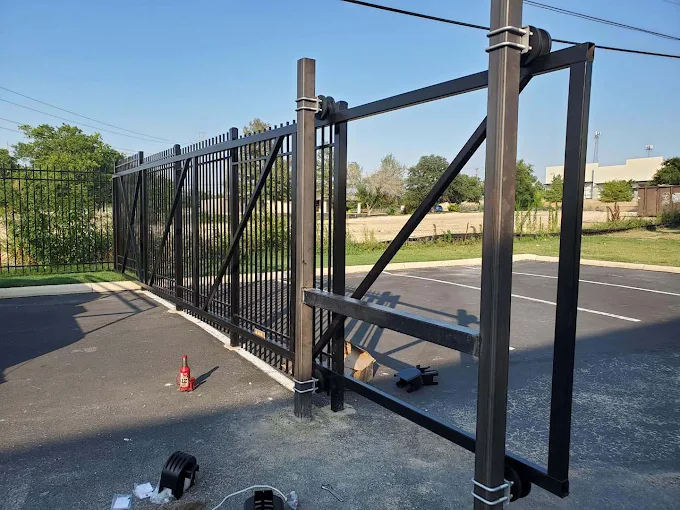
A local Plano business park chose a low-VOC oil-modified stain for their perimeter Commercial Fence Installation and gate system. They wanted durability and a rich color tone without going back to old high-VOC formulas. Three years later, the fence and gates still present well to clients, with only normal wear on sun-exposed south-facing sections.
Matching Eco-Friendly Stains to Different Fence Materials
Eco-friendly options aren’t just for wood. Many Plano properties combine materials—like Decorative Fence Installation with wood and metal—or use specialty systems around pools and gardens.
Wood Fences
For cedar and pine, an eco-conscious plan usually includes:
- A penetrating, low-VOC stain for deep protection
- UV inhibitors to resist graying
- Mildew-resistant additives that meet current safety standards
This works well on backyard privacy fences, ranch-style rail, and Residential Fence Installation throughout Plano neighborhoods like Willow Bend and Lakeside.
Mixed Material Fences
Modern Mixed Material Fences—wood with metal posts, corrugated panels, or decorative accents—need a coordinated approach:
- Use eco-friendly stain on the wood components
- Choose powder-coated or low-VOC finish metals
- Seal cut edges to prevent premature rust or rot
A homeowner near Legacy West, for example, installed a contemporary fence combining cedar and steel. They selected a low-VOC semi-transparent stain for the cedar and a factory-finished metal system, minimizing on-site chemical use and long-term maintenance.
Specialty Areas: Gardens, Pools, and Play Spaces
Around pools and play areas, many Plano families prioritize air quality and safety. Lower-odor, fast-drying stains reduce disruption and limit exposure for kids and pets. Natural oil or ultra-low VOC products are often chosen for:
- Garden Garden Fence Installation
- Playhouse and deck railings
- Benches and raised beds adjacent to fences
“Where kids play and pets roam, product selection matters just as much as design.” — Fence Pros of Texas Crew Lead
Application Techniques That Make Eco-Friendly Stains Last Longer
Even the best eco-friendly stain can fail early if it’s applied incorrectly—especially in a place like Plano where a single hailstorm or week of 105°F heat can test your fence.
Professional crews use a process designed to maximize performance while minimizing waste:
1. Surface Preparation
- Gentle washing to remove mildew, dust, and old failing finishes
- Light sanding or brushing where necessary
- Ensuring the wood moisture content is within manufacturer recommendations
Skipping this step is one of the quickest ways to waste high-quality stain.
2. Right Timing for North Texas
In Plano, the ideal window for staining is usually spring or fall:
- Avoiding peak heat reduces flash-drying and blotchy finishes
- Lower humidity helps stains cure properly
- Less intense sun prevents early UV breakdown during cure time
3. Efficient, Controlled Application
Professionals often combine spraying and back-brushing to:
- Reduce overspray and product waste
- Work stain into the grain for deeper protection
- Provide even coverage around fasteners, posts, and edges
This is especially important for large Commercial Fence Installation projects and long ranch fence lines where small mistakes multiply quickly.
4. Responsible Cleanup and Disposal
Eco-friendly staining also means:
- Using biodegradable cleaners when possible
- Properly disposing of rags and containers
- Preventing runoff into storm drains and nearby landscaping
A Plano office complex recently scheduled staining for their perimeter wood and Security Fence Installation during a mild October week. By planning around the weather and using low-VOC products, the project wrapped with minimal odor complaints, no overspray on cars, and a cleaner, more consistent finish that should last several extra years.
Cost, Longevity, and Environmental Impact: Finding the Right Balance
Eco-friendly fence staining isn’t always the cheapest option at the cash register—but it often wins over the full lifespan of your fence. The key is understanding how product choice and maintenance affect both cost and environmental impact.
Here’s a simplified comparison for a typical Plano backyard fence (about 150 linear feet):
| Approach | Upfront Cost (Approx.) | Recoat Frequency in Plano | 10-Year Material Cost | Environmental Impact |
|---|---|---|---|---|
| Traditional High-VOC Stain | Low–Moderate | Every 2–3 years | Higher | Higher VOCs, more frequent recoats |
| Quality Low-VOC / Water-Based | Moderate | Every 3–4 years | Moderate–Lower | Lower VOCs, fewer cycles |
| Premium Eco-Focused System | Higher | Every 4–5 years | Often Similar Overall | Lowest VOCs, longest intervals |
Over a decade, repeated stripping and re-staining with cheaper, harsher products can mean:
- More raw materials used
- More landfill waste from failed wood
- More VOCs released into the local air
A homeowner in West Plano chose a higher-end, low-VOC stain system for their new Privacy Fence Installation. The initial quote was higher than a basic stain, but the product warranty and realistic recoat schedule meant fewer total applications over 10–12 years. Factoring in labor and materials, the eco-friendlier choice was actually more cost-effective.
CALLOUT: In many Plano projects, the “green” option and the “longest-lasting” option are now the same product—especially when installed by an experienced crew.
Building a Sustainable Maintenance Plan for Your Fence
Eco-friendly staining is not a one-and-done decision. The real environmental and financial benefit comes from a smart maintenance plan that extends your fence’s lifespan.
Key Elements of a Sustainable Plan
- Regular Inspections
Walk your fence at least once a year. Look for early signs of rot, loose fasteners, or graying on high-sun sections.
- Spot Repairs and Touch-Ups
Addressing small issues early prevents expensive replacements. A quick touch-up coat on a sun-baked section can add years to your fence.
- Coordinated Projects
If you’re planning new Residential Fence Installation, gates, or Access Control systems, schedule staining as part of the build. Fresh, properly dried wood takes stain better and more evenly.
- Material Choices Up Front
Choosing durable materials like properly treated lumber, galvanized hardware, or complementary Metal Fence Installation for ranch or perimeter lines reduces the need for full replacement later.
A small Plano retail center combined a new wood and metal perimeter fence with an eco-friendly stain and a clear plan: inspection every spring, minor touch-ups as needed, and a full recoat every 4–5 years. Tenants benefit from consistent curb appeal, and the owner avoids the cycle of neglect and full replacement that many properties fall into.
“Good maintenance is the most eco-friendly decision you can make about any fence.” — Fence Pros of Texas Project Manager
What This Means for Businesses in Plano, TX
Plano’s growth over the last decade has been remarkable, from new corporate campuses to revitalized retail centers and dense residential communities. With that growth comes more fencing—around loading docks, office parks, multi-family complexes, and neighborhood amenities.
For businesses and property managers, eco-friendly fence staining isn’t just a “nice to have.” It can directly support:
- Compliance with evolving environmental and air quality expectations
- Healthier conditions for employees, tenants, and customers
- Lower long-term capital expenditures on Fence Replacement
Commercial properties along the Dallas North Tollway or near Legacy West face especially harsh sun and traffic exposure. Choosing a high-performance, low-VOC stain and a realistic maintenance cycle can:
- Extend the life of perimeter Security Fence Installation and gates
- Maintain a professional appearance for clients and visitors
- Reduce disruptions from frequent major repairs
Multi-family communities in Plano also benefit when they adopt eco-friendly staining standards for shared fences and amenities. Lower odors during application, reduced overspray, and better scheduling all contribute to happier residents and fewer complaints.
For local businesses that want to publicly emphasize sustainability, visible improvements—like well-maintained, eco-stained fences and Decorative Fence Installation—reinforce that message. It’s a small but tangible way to align your property with the values many Plano customers and employees care about.
Frequently Asked Questions
Q: Will eco-friendly fence stains hold up in Plano’s extreme heat and sun?
A: Modern eco-friendly stains are formulated with UV inhibitors and durable resins that perform well in North Texas. The key is choosing a professional-grade product and applying it correctly. For fences with full southern exposure—common along major Plano roads—many property owners opt for a low-VOC oil-modified or high-quality water-based stain with strong UV resistance. When paired with scheduled Fence Maintenance, these products can match or exceed the lifespan of older, higher-VOC coatings while producing fewer fumes and reducing environmental impact.
Q: Are low-VOC stains safe to use around kids, pets, and gardens?
A: Low-VOC and water-based stains significantly reduce harmful emissions compared to traditional solvent-heavy products, making them a better choice near play areas and landscaping. While no coating is completely “chemical-free,” professional installers in Plano commonly use low-odor, low-VOC products around backyards, pool fences, and Garden Fence Installation. Proper application, allowing full cure time, and keeping kids and pets away during work and drying all contribute to a safer environment. If you have sensitive family members, ask for product data sheets and discuss ultra-low VOC or plant-based options.
Q: Does eco-friendly staining cost more than traditional options?
A: Upfront, high-quality low-VOC or eco-focused stains may cost slightly more per gallon than basic high-VOC options. However, in Plano’s climate, they often last longer and require fewer full recoats. When you factor in labor, materials, and the extended life of your Wood Fences or commercial perimeter fences, total ownership costs can be similar—or even lower—over 8–12 years. Many property owners find that the combination of durability, better appearance, and reduced environmental impact justifies the modest increase in initial material cost.
Q: Can eco-friendly stains be used on older fences that already have a coating?
A: Yes, but surface preparation becomes even more critical. Older Plano fences often have weathered oil-based coatings, gray sun damage, or mildew. A professional crew will clean the surface, remove failing material, and sometimes lightly sand or strip specific areas to ensure the new stain adheres properly. Many low-VOC and water-based stains are compatible with previous coatings if the surface is sound and prepared according to manufacturer guidelines. This approach can refresh an aging fence and delay the need for full Fence Replacement.
Q: How often should I re-stain my fence in Plano if I use eco-friendly products?
A: For most eco-friendly stains, a realistic schedule in Plano is every 3–5 years, depending on sun exposure, product type, and maintenance. Backyard Privacy Fence Installation with partial shade may go closer to 5 years, while full-sun, south-facing runs might need attention around year three. Regular inspections and small touch-ups can stretch that timeline. Professional installers can recommend a specific interval based on your fence material, location, and whether you’re using semi-transparent, semi-solid, or solid-color eco-friendly stains.
Q: Are there eco-friendly options for fences that aren’t wood, like metal or mixed-material systems?
A: Absolutely. While staining is primarily for wood, many Plano properties combine wood with metal posts, Metal Fence Installation, or decorative rails. Eco-conscious planning might include factory-finished, powder-coated metal components (which are highly durable and low-maintenance) paired with low-VOC stains on wood. For Decorative Fence Installation and mixed-material projects, professionals select compatible products for each material to minimize on-site chemical use and maximize service life, reducing waste over time.
Q: I manage a commercial property. How disruptive is eco-friendly staining for tenants and customers?
A: One benefit of low-VOC and water-based stains is reduced odor and faster dry times, which helps minimize disruption. A well-planned project in Plano might involve working in sections, scheduling around peak business hours, and coordinating with tenants in advance. For Commercial Fence Installation and staining jobs, crews typically use containment methods to control overspray and keep walkways, parking, and entries clear. Most businesses find that with good communication, the process is manageable and far less intrusive than major fence repairs or replacement down the road.
Ready to Get Started?
North Texas weather won’t wait, and neither will the slow damage from sun, rain, and heat on your fence. If your Plano property’s fence is fading, graying, or starting to show signs of wear, this is the ideal time to consider eco-friendly staining options—before minor cosmetic issues turn into structural problems and costly replacements.
By choosing modern low-VOC products and a professional application, you protect your investment, reduce your environmental footprint, and create a healthier space for family, tenants, employees, and customers. Whether you’re caring for a single backyard fence, a ranch-style Farm Fencing system, or a large commercial perimeter with integrated Security Fence Installation, a tailored eco-friendly plan can make a measurable difference.
Fence Pros of Texas has been serving Plano and surrounding communities for years, with teams that understand both local conditions and modern, greener products. The best next step is a site visit and honest assessment of your fence’s condition and options.
About Fence Pros of Texas
Fence Pros of Texas is a locally focused fence contractor serving Plano, TX and the greater North Texas area. Our team specializes in Residential Fence Installation, Commercial Fence Installation, Farm Fencing, staining, gates, and access control systems. With years of hands-on experience in our climate, we combine proven craftsmanship with up-to-date, eco-conscious products and methods. From design to maintenance, we focus on long-lasting solutions that fit your property, your budget, and your environmental goals.