
DIY Tips for Maintaining Your Residential Fence
North Texas sun, sudden hail, clay soil that shifts with every season—your fence in Plano takes a beating all year long. Many homeowners don’t realize how quickly a strong, beautiful fence can start to lean, rot, or rust until a storm hits, a dog finds a gap, or a neighbor mentions how see‑through that “privacy” fence has become.
According to industry surveys, a well-maintained fence can last 5–10 years longer than a neglected one. That’s thousands of dollars saved on premature Fence Replacement, plus better security, curb appeal, and property value.
This guide walks you through practical, DIY-friendly ways to care for your fence—whether you have wood, vinyl, chain link, or metal—using tools you likely already own. You’ll learn:
- How to inspect your fence like a pro
- Maintenance checklists for different fence materials
- Simple repairs you can safely handle yourself
- When to call in a professional before a small issue becomes a big problem
Key Insight: A few hours of routine fence care each year can add years of life to your fence and prevent costly emergency repairs—especially in Plano’s harsh, fluctuating climate.
Start with a Smart Fence Inspection
Before you grab a hammer or stain brush, you need to know what you’re working with. A thorough inspection helps you catch minor issues—loose fasteners, early rust, small cracks—before they turn into structural problems.
Walk your fence line twice a year in Plano: once in early spring (after winter moisture and wind) and once in late fall (after summer heat and storms).
What to look for
- Posts and footings
- Leaning, wobbling, or loose posts
- Rot at the base of wood posts
- Cracked concrete around posts on Metal Fence Installation or mixed-material systems
- Rails and panels
- Warped or split boards on Wood Fences
- Sagging sections on Chain Link Fences
- Cracks or discoloration on Vinyl Fences
- Hardware
- Rusted nails, screws, or brackets
- Loose hinges or latches on Residential Fence Installation and gates
- Ground and drainage
- Soil erosion around posts
- Standing water after rain, especially in low spots in Plano’s clay-heavy yards
“Most major fence failures start as minor issues that go unchecked for a season or two.” — Local Fence Technician
A Plano homeowner off Coit Road recently called because their fence was “suddenly leaning” after a storm. During inspection, we found old rot at the base of several posts that had been developing for years. With regular inspections, those posts could have been replaced one at a time, instead of replacing nearly the entire fence line.
Caring for Wood Fences in the Texas Sun
Wood fences are popular across Plano neighborhoods for their warmth and privacy—but they’re also the most vulnerable to our climate. Sun, moisture, and soil movement can cause warping, cracking, and rot if you don’t stay ahead of maintenance.
Clean, then protect
Once a year, give your wood fence a good cleaning:
- Use a garden hose with a spray nozzle or a pressure washer on a low setting
- Remove dirt, mildew, and pollen buildup
- Let the fence dry completely (24–48 hours of dry weather)
Then, apply a quality stain or sealant. Professional-grade Fence Maintenance products are designed to resist UV damage and water penetration.
“A properly stained wood fence in North Texas can last 5–7 years longer than an untreated one.”
Watch for early damage
Focus on:
- Bottom boards and posts where sprinklers hit or water collects
- Nail and screw holes that can let moisture in
- Top caps and horizontal rails that catch water and sun
If you see splitting or small rot pockets, you can often:
- Sand rough edges
- Apply wood preservative
- Replace individual pickets instead of full sections
A homeowner near Oak Point Park noticed their gate dragging and assumed it needed replacement. On closer inspection, the problem was two rotted pickets near the hinge side and a slightly warped rail. Replacing those components and re-staining the gate saved them hundreds versus a full Wood Fence Installation.
CALLOUT: Don’t let your sprinklers hit the fence directly. Over-spray is one of the fastest ways to rot the bottom of a wood fence in Plano.
Low-Maintenance Options: Vinyl and Metal Fence Care
If you’ve chosen vinyl or metal for your Plano property, you already benefit from lower maintenance. But “low maintenance” doesn’t mean “no maintenance.” A little attention keeps these fences looking sharp and structurally sound.
Vinyl fences: clean and inspect
Vinyl is popular for privacy and pool fencing because it doesn’t rot, warp, or need staining. For basic care:
- Rinse with a hose every few months
- For stubborn dirt, use a soft brush and mild soap
- Avoid harsh chemicals or abrasive pads that can dull the finish
Inspect for:
- Cracks from impact (weed trimmers, sports, pets)
- Loose caps or rails
- Shifting posts in expanding/shrinking Plano clay soil
If you’re planning a new Vinyl Fence Installation, ask about reinforced posts and proper footing depth for North Texas soils. Good installation dramatically reduces long-term maintenance.
Metal fences: aluminum, wrought iron, and chain link
Metal fences—like Aluminum Fences, Wrought Iron Fences, and Chain Link Fences—are durable choices for security, pools, and decorative boundaries.
Basic care:
- Hose off dust and pollen
- Touch up scratches with matching paint to prevent rust
- Lubricate hinges and latches annually
Watch for:
- Rust spots on iron and steel
- Bent or sagging sections on chain link
- Loose brackets or rail connections
A Plano family with a backyard pool had a beautiful black Aluminum Fence Installation. After a few years, they noticed a gate that wouldn’t latch properly. The cause wasn’t the gate itself—it was a post that had shifted slightly after a very wet spring. Resetting and re-concreting that post brought the gate back into alignment and preserved the safety of their pool area.
CALLOUT: Address rust early. Surface rust can often be sanded, primed, and painted. Wait too long, and you may need section replacement.
Gates, Hardware, and Access Points: Small Parts, Big Impact
Most fence problems show up first where there’s movement—gates, hinges, latches, and access control components. These are also the most critical parts for security and convenience.
Keep your gate operating smoothly
For residential gates in Plano:
- Check alignment: does the gate drag, rub, or fail to latch?
- Tighten hinge screws and lag bolts
- Use exterior-grade lubricant on hinges and latches
- Adjust or replace worn latches
If you have a larger driveway or estate gate, especially with automation or Security Fence Installation systems, schedule professional maintenance. These systems involve:
- Low-voltage wiring
- Safety sensors
- Controllers and motors
They’re not ideal for DIY repairs unless you’re experienced with electrical work.
“A misaligned gate post can put extra stress on your hinges and lead to premature failure of the entire gate system.”
A homeowner off Spring Creek Parkway had a heavy wooden driveway gate that kept sagging. They tried replacing hinges twice on their own. The real issue? The supporting post wasn’t set deep enough for the gate’s weight. Once the post was re-set and braced correctly, the hardware stopped failing.
Traditional vs. Modern Fence Materials: Maintenance Comparison
If you’re considering a new fence or planning long-term upkeep, it helps to understand how different materials compare over time—especially with Plano’s heat, storms, and clay soil.
Here’s a quick overview:
| Fence Type | Upfront Cost (Plano Area) | Maintenance Level | Typical Lifespan (with care) | Notes for North Texas Climate |
|---|---|---|---|---|
| Wood Privacy | $$ | High | 12–20 years | Needs regular staining/sealing |
| Vinyl Privacy | $$$ | Low | 20–30 years | Resists rot, easy to clean |
| Ornamental Aluminum | $$$ | Low | 25+ years | Great for pools and yards |
| Wrought Iron | $$$$ | Medium | 25+ years | Requires rust monitoring |
| Chain Link | $–$$ | Low | 20+ years | Budget-friendly, secure |
| Mixed Material / Metal | $$$ | Medium | 20–30 years | Check connections & coatings |
\Approximate relative costs; actual pricing varies by layout, height, and design.
If you’re maintaining an older fence and debating repair vs. replacement, factor in:
- Age of the fence
- Number of failing posts or sections
- Whether you’re constantly patching vs. doing occasional upkeep
A homeowner near Legacy West kept repairing their 18-year-old cedar fence. After we walked them through this kind of cost-benefit comparison, they chose a new Privacy Fence Installation with upgraded posts and stain. Their ongoing maintenance will now be lighter and more predictable.
CALLOUT: The right fence material for Plano isn’t just about looks—it’s about how much maintenance you realistically want to handle over the next 10–20 years.
Seasonal Maintenance Checklist for Plano Homeowners
Plano’s weather swings—triple-digit heat, severe thunderstorms, occasional freezes—create specific maintenance windows that make your efforts more effective.
Spring: Post-storm and moisture check
- Inspect for wind damage after spring storms
- Check posts for movement in softened soil
- Clean off mildew and winter grime
- Plan any major Fence Repair before summer heat
Summer: Sun and sprinkler awareness
- Watch for new warping or cracking from intense heat
- Adjust sprinklers to avoid constant water on fence bases
- Lubricate gate hardware that may expand or squeak in heat
- Inspect pool and Pool Fence Installation for safety compliance
Fall: Prep for cooler, wetter months
- Do a full inspection and tighten all hardware
- Clear leaves and debris from fence lines to prevent trapped moisture
- Touch up stain, paint, or rust protection
- Make sure gates close securely before holiday travel
Winter: Light checks and planning
- After any ice or heavy wind event, check for leaning sections
- Note any areas that repeatedly pool water
- Plan upcoming Custom Fence Design or upgrades for early spring installation slots
A family in West Plano followed a simple seasonal checklist like this after replacing their old fence. Three years later, their fence still looks nearly new, and they’ve only needed minor touch-ups and one latch replacement.
When DIY Isn’t Enough: Knowing When to Call a Pro
There’s a lot you can safely handle yourself: cleaning, basic hardware replacement, small stain touch-ups, and even swapping a few pickets. But some situations in Plano call for professional expertise—both for safety and to protect your investment.
Call a professional if you notice:
- Multiple leaning or broken posts
- Large sections of rot or termite damage
- Repeated repairs in the same area
- Significant rust or structural issues on metal fencing
- Electrical or motor issues with Access Control or automated gates
“If 20–30% of your fence line is failing, it’s usually more cost-effective to replace or rebuild rather than keep patching.”
In one Plano neighborhood near George Bush Turnpike, a homeowner kept replacing individual pickets on a 15-year-old fence. By the time we were called, most posts were failing, rails were soft, and the gate could barely close. They had spent nearly half the cost of a new fence on piecemeal repairs. A planned Fence Replacement earlier would have given them a stronger, better-looking fence with fewer headaches.
What This Means for Homeowners in Plano, TX
For Plano residents, maintaining your fence isn’t just about looks—it’s about protecting your property line, your privacy, and sometimes your safety. Many neighborhoods here have homes built in the late 90s and early 2000s. That means a lot of original fences are reaching the end of their lifespan at roughly the same time.
Because of that, you’ll see:
- Increased pressure from HOA standards on fence appearance
- Rising material and labor costs for Residential Fence Installation
- More shared fence decisions with neighbors
Staying proactive with DIY fence maintenance lets you:
- Extend the life of your existing fence
- Budget and plan for eventual upgrades
- Avoid emergency repairs after storms
- Keep pets secure and kids safe around yards and pools
Whether you’re caring for a classic cedar privacy fence, a decorative metal system, or a low-maintenance vinyl or chain link boundary, a few hours each season can save you thousands over the life of your fence.
And when you’re ready to upgrade—maybe adding a new Decorative Fence Installation at the front or enhancing security in the back—you’ll go into the process informed and confident.
Frequently Asked Questions
Q: How often should I stain or seal my wood fence in Plano?
A: In North Texas, most wood fences need staining or sealing every 2–4 years, depending on sun exposure, product quality, and color. Darker stains often last a bit longer because they block more UV light. South- and west-facing fence lines in Plano tend to fade and dry out faster. If water no longer beads on the surface, or the color looks dull and gray, it’s time for a fresh coat. Professional Fence Maintenance can extend intervals between applications and help ensure even coverage and proper prep.
Q: How do I know if my leaning fence can be repaired or needs full replacement?
A: Start by counting how many posts and sections are affected. If only one or two posts are loose due to soil movement, a targeted Fence Repair (resetting or replacing those posts) may be enough. But if you see widespread rot at the base of posts, multiple leaning sections, or rails pulling away, the structure is likely compromised. Age matters too—if your fence is 15–20+ years old, full Fence Replacement is often more cost-effective than continuous patching, especially given Plano’s storms and clay soil.
Q: Are chain link fences really low maintenance, or will I end up replacing them often?
A: Properly installed Chain Link Fences are among the lowest-maintenance options available. Galvanized or coated mesh resists rust, and posts set to the right depth handle Plano’s soil movement well. Most upkeep involves occasional tension adjustments, minor rust touch-ups at cut edges, and keeping vegetation from growing into the mesh. For homeowners who prioritize function and budget over appearance, Security Fence Installation using chain link can last decades with minimal attention.
Q: What’s the best fence material for a backyard pool in Plano?
A: For pools, safety and code compliance come first. Many Plano homeowners choose Aluminum FencesQ: Can I mix materials, like wood and metal, to reduce maintenance but keep privacy?
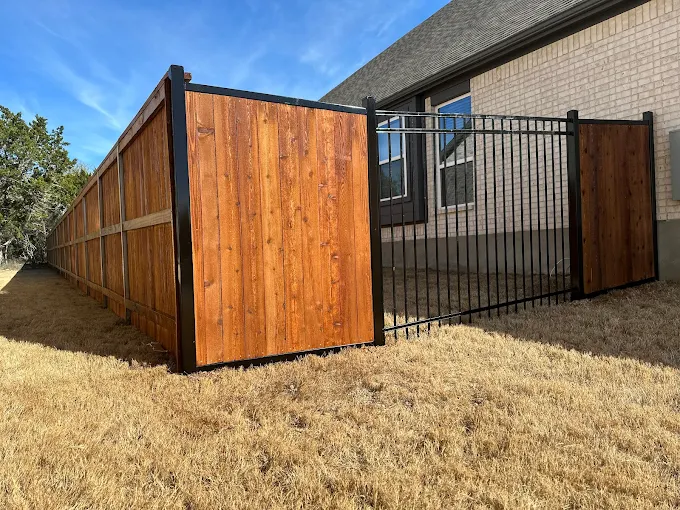
A: Yes, mixed-material designs are increasingly popular in Plano. Common combinations include metal posts with wood infill, or Corrugated Metal Fences framed in wood. Metal posts reduce the risk of rot at ground level, while wood or panels provide privacy. These Custom Fence Design solutions can strike a balance between longevity and aesthetics. Just be sure connections are properly engineered, as dissimilar materials expand and contract differently in our climate.
Q: How do I maintain an automated driveway or estate gate?
A: For automated Estate Gates or driveway gates, you’ll handle basic tasks—keeping tracks clear, cleaning photo eyes, and watching for unusual noises. But motors, control boards, and safety systems should be inspected and serviced by professionals familiar with Access Control equipment. Plano’s dust, heat, and occasional power surges can affect electronics over time. Annual or biannual tune-ups help prevent inconvenient breakdowns and ensure your gate operates safely.
Q: We share a fence with neighbors—how should we handle repairs or replacement?
A: Shared fences are common in Plano subdivisions. Start with a friendly conversation and a written summary of what you’re proposing—repair vs. new Residential Fence Installation, material, height, and cost estimates. Many neighbors split costs when both benefit. If your neighbor isn’t ready to participate, you can often replace just your side or use your own posts on your property line, depending on HOA rules and city codes. A professional fence contractor familiar with Plano regulations can help you navigate these situations.
Ready to Get Started?
Fence maintenance is one of those projects that’s easy to put off—until a storm hits, the dog finds a gap, or your HOA sends a letter. Plano’s weather and soil mean small fence issues rarely stay small for long. Tackling cleaning, inspections, and minor repairs now can save you from emergency calls and big bills later.
If you’re unsure where to start, or your fence has more than a few trouble spots, Fence Pros of Texas can help. Whether you need a straightforward Fence Repair, a new Residential Gates upgrade, or a complete Residential Fence Installation, our team knows how to build and maintain fences that stand up to Plano’s conditions.
Schedule an on-site evaluation, get clear recommendations, and decide what you want to DIY and where it makes sense to bring in a pro. Your fence doesn’t just mark your property—it protects your family, pets, and privacy. Keeping it in top shape is worth the effort.
About Fence Pros of Texas
Fence Pros of Texas is a locally focused fence contractor serving Plano and the greater North Texas area. Our team specializes in Residential Fence Installation, Commercial Fence Installation, Farm Fencing, custom gates, and long-lasting staining and maintenance solutions. With years of experience in Texas soils, weather, and codes, we design and build fences that look great and last. Learn more about our services and see why homeowners across Plano trust us to protect their properties.