
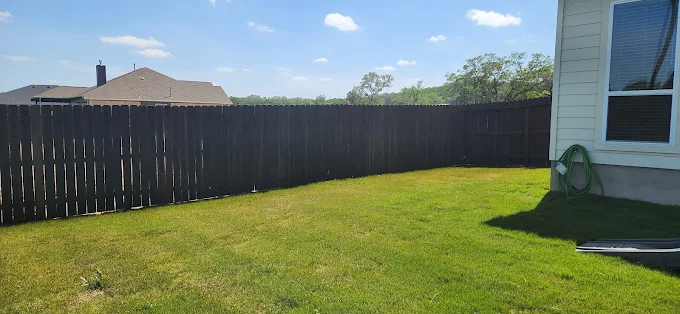
Choosing Fencing that Complements Your Landscape
On a quiet street in Plano, you can often tell which properties were thoughtfully planned the moment you drive by. The lawns are tidy, the trees are mature—and the fencing looks like it truly belongs there. It doesn’t scream for attention, but if it were missing, the whole property would feel unfinished.
Across Collin County, homeowners and business owners are investing more in outdoor spaces. A recent survey of Texas property improvements showed that quality exterior upgrades, including fencing, can boost perceived property value by 5–10%. Yet many projects fall short because the fence doesn’t match the landscape, the architecture, or even the way people use the space.
This guide is all about helping you avoid that mismatch. You’ll learn how to choose materials, heights, and styles that enhance your landscape rather than fight it—whether you’re fencing a Plano backyard, a commercial property off 75, or acreage on the outskirts of town. You’ll also see real-world examples, local considerations, and smart design tips that make your fence feel like part of a bigger, well-planned picture.
Key Insight: The right fence isn’t just a boundary; it’s a design element that should work with your landscape, architecture, and lifestyle—especially in a climate and community like Plano’s.
Start with Your Landscape, Not the Fence Catalog
Most people start with a picture of a fence they like. A cedar privacy fence. Sleek black Aluminum Fences. Classic white Vinyl Fences. That’s natural—but the smartest starting point is actually your landscape.
Walk your property and pay attention to:
- Existing trees, shrubs, and beds
- Grade changes and drainage paths
- Sun exposure and prevailing wind
- Views you want to highlight or hide
- How people and pets move through the space
In Plano, for example, many neighborhoods have gentle slopes, alley access, and shared property lines. A homeowner near Oak Point Park wanted privacy from the alley but didn’t want to lose the open feel of her backyard. We designed a hybrid solution: solid board-on-board Wood Fences along the alley for privacy, then shorter decorative Wrought Iron Fences along the interior to preserve sightlines to the trees and lawn.
“Good fence design starts with how the land wants to be used,” — Senior Designer, Fence Pros of Texas
By framing your decisions around your existing landscape and how you live or work in it, you avoid the cookie-cutter look and end up with a fence that feels intentional.
Matching Fence Materials to Your Architecture and Climate
Your fence should look like it belongs to your home or building—not like it was borrowed from somewhere else. That means paying attention to both architecture and Plano’s climate.
How style and material work together
- Contemporary homes often pair well with Mixed Material Fences, Corrugated Metal Fences, or minimalist Glass Fences.
- Traditional brick homes may look best with stained Wood Fences or ornamental Wrought Iron Fences.
- Commercial buildings often favor durable Chain Link Fences or powder-coated Metal Fence Installation for security and low maintenance.
Plano’s hot summers, UV exposure, and occasional storms also matter. Materials respond differently over time:
| Material Type | Visual Style Fit | Weather Performance in Plano | Maintenance Level |
|---|---|---|---|
| Wood | Warm, natural, versatile | Can weather or warp without care | High (staining/sealing) |
| Vinyl | Clean, uniform, traditional or modern | UV-resistant, won’t rot or rust | Low |
| Aluminum / Wrought Iron | Elegant, open, works with many styles | Excellent with proper coating | Low–Medium |
| Chain Link | Utilitarian, can be dressed with slats | Very durable, good for wind | Low |
| Corrugated Metal | Industrial/modern, bold statement | Handles heat well; needs good coating | Low–Medium |
A Plano business near Legacy West recently upgraded from a basic chain link perimeter to black Aluminum Fence Installation with matching Security Fence Installation gates. The architecture is modern, with lots of glass and steel, so the new fencing now echoes that look while still being practical and durable.
CALLOUT: Choose materials that echo elements of your building—color, texture, and line—so the fence feels like an extension of your architecture, not an afterthought.
Balancing Privacy, Security, and Views in Your Design
A beautiful fence that doesn’t meet your privacy or security needs won’t feel right for long. The key is deciding what matters most in each area of your property, then layering in aesthetics.
Think in “zones”
For a Plano homeowner near a busy road, we might design three distinct zones:
- Street-facing zone: Tall, solid Privacy Fence Installation for sound and visual screening.
- Garden zone: Lower, decorative Decorative Fence Installation so plants and hardscape can shine.
- Pool zone: Code-compliant Pool Fence Installation (often aluminum or wrought iron) that keeps sightlines open for safety.
A family in West Plano recently had this exact situation. They wanted to block traffic noise but keep their view of a mature oak tree and new landscaping. We used an 8-foot board-on-board cedar fence along the road, stepped down to a 6-foot decorative iron fence around the patio and pool. The result: security and privacy where they needed it, openness where they wanted to enjoy the view.
“Privacy doesn’t have to mean a solid wall. Smart transitions and mixed heights can give you both seclusion and openness.” — Project Manager, Fence Pros of Texas
For commercial properties, zoning works too. A warehouse near George Bush Turnpike may need tall Security Fence Installation in back, but more polished Decorative Fence Installation near the office entrance to project a professional image.
Choosing Fence Styles That Work with Plantings and Outdoor Features
Your landscape is more than grass and a fence line. You might have flower beds, raised planters, a pool, a play area, or a small vegetable garden. The right fence style can highlight those features instead of hiding or crowding them.
Working with plants and beds
In Plano’s clay soils, many homeowners create raised beds or install foundation plantings for better drainage and curb appeal. These features often sit close to the fence line. Taller, solid fences can shade sun-loving plants, while open designs let more light and air flow through.
- For lush gardens: Consider open designs such as ornamental iron or spaced pickets for Garden Fence Installation.
- For minimalist yards: Straight-line Mixed Material Fences (wood and metal) can frame modern plantings and hardscape.
- For small spaces: Lighter colors and open patterns can make a yard feel larger and less boxed in.
A client near Russell Creek Park had carefully designed native plant beds along the back of her lot. A solid 8-foot fence would have put much of that area in shade. Instead, we installed a 6-foot horizontal cedar fence with a 1-foot panel of decorative metal at the top. The plants still get light, and the patterned top adds interest without overwhelming the garden.
Coordinating with hardscape and features
- Around pools, sleek Glass Fences or black aluminum let stonework and water features shine.
- For decks and stairs, matching railings and fence styles tie everything together visually.
- For rural or edge-of-town properties, farm fencing can be combined with more refined entry fencing to bridge the gap between natural land and manicured yard.
CALLOUT: Think of your fence as a frame for your landscaping. The frame shouldn’t distract from the picture—it should make it look even better.
Traditional vs. Modern Fence Approaches in Plano
Plano has older, established neighborhoods and newer developments with strict HOA guidelines. That mix often leads to a key question: go traditional, or lean modern? Each approach has its place, and both can complement your landscape if done thoughtfully.
Comparing traditional and modern styles
| Aspect | Traditional Approach | Modern Approach |
|---|---|---|
| Common Materials | Wood, ornamental iron, classic Wrought Iron Fence Installation | Horizontal wood, metal, glass, Mixed Material Fences |
| Visual Character | Warm, familiar, often more detailed | Clean lines, minimal, geometric |
| Best Paired With | Brick, stone, colonial or traditional architecture | Stucco, modern brick, contemporary designs |
| Landscape Fit | Lush plantings, curved beds, mature trees | Structured beds, grasses, modern hardscape |
| Typical Use in Plano | Established neighborhoods, estates, schools | New builds, renovated homes, commercial facades |
A West Plano homeowner renovating a 1990s brick home faced this decision. The house had traditional bones, but the interior remodel leaned more contemporary. We landed on a hybrid: horizontal cedar Wood Fence Installation in a warm stain, paired with black metal posts and a modern-style residential gates. The fence now bridges the gap between classic exterior and updated interior, and the landscaping—boxwoods, ornamental grasses, and a few sculptural trees—ties it all together.
“Modern or traditional isn’t an either-or decision. Many properties look best somewhere in the middle.” — Design Consultant, Fence Pros of Texas
For businesses, a similar balance can work. A professional office near downtown Plano chose masonry columns with metal infill panels. The columns nod to traditional design, while the panels are sleek and modern—perfect for a mixed-use streetscape.
Planning for Longevity: Maintenance, Color, and Finishing Touches
A fence that complements your landscape on day one should still look good years later. In our Texas climate, planning for UV, moisture, and soil movement is just as important as choosing a style.
Maintenance and finish choices
- Wood: Needs regular protection. Professional Fence Maintenance and staining every few years keeps color rich and boards protected.
- Metal (aluminum, wrought iron, corrugated): Quality coatings and Metal Fence Installation practices prevent rust and fading.
- Vinyl: Low-maintenance but benefits from occasional cleaning to keep it bright.
- Chain link: Very durable; adding slats or screens can soften the look and integrate it better with plantings.
A customer in far North Plano had a beautiful cedar fence that had gone gray and blotchy within a few years. The structure was sound, but the look no longer matched their manicured lawn and new patio. We cleaned and re-stained the fence in a warm walnut tone, and suddenly the entire backyard felt cohesive again. That one maintenance step brought the landscape and fence back into harmony.
Details that make a difference
- Caps and trims can give wood fences a finished look that ties in with window trim or fascia.
- Matching residential gates or estate gates create a grand, unified entry statement.
- For businesses, integrated access control and commercial gates can blend security with a professional, branded look.
CALLOUT: A fence that’s beautifully finished and maintained becomes part of your landscape design—not just background structure.
Integrating Gates, Railings, and Access for Everyday Use
Even the best fence design can feel awkward if gates and access points aren’t carefully planned. How you move through your property—on foot, with vehicles, with pets or equipment—matters just as much as how your fence looks.
Everyday function meets landscape design
In Plano’s family-oriented neighborhoods, we often see these needs:
- Side yard gates for trash bins and lawn equipment
- Wider backyard gates for trailers or landscape crews
- Pet-friendly layouts with secure latches and appropriate heights
- Front entries that pair fencing with attractive railings and steps
A homeowner near Preston and Spring Creek had a beautiful new landscape installed, but the old narrow gate made it hard for crews to bring in mowers and materials. When we replaced the fence, we widened the gate, matched it to the new fence style, and added a reinforced threshold to handle traffic without rutting the lawn. The gate now feels like part of the design instead of an afterthought.
For larger properties and businesses, coordinating Commercial Fence Installation with smart gate placement and access control keeps security tight while maintaining a welcoming, landscaped frontage.
“Good access planning means your fence works with your daily routines instead of against them.” — Operations Manager, Fence Pros of Texas
What This Means for Businesses in Plano, TX
For Plano businesses—whether you’re along Legacy Drive, downtown, or in an industrial park—your fence is part of your brand and customer experience. It shapes first impressions, influences security, and affects how your landscaping investments are perceived.
A well-designed fence can:
- Frame your signage and plantings so they stand out from the street
- Create clear boundaries between customer areas and service zones
- Support safety and compliance for loading docks, storage yards, and employee parking
- Reduce visual clutter from dumpsters, mechanical units, or back-of-house operations
Local costs vary by material and complexity, but the long-term benefits of a thoughtful design often outweigh the marginal difference between a bare-minimum perimeter and a coordinated solution. Many Plano businesses find that upgrading to decorative Commercial Fence Installation along the front, while keeping more utilitarian fencing in back, offers a strong return in curb appeal without sacrificing budget.
With rising competition across retail, office, and industrial spaces, your exterior has to work harder. In a city known for well-maintained neighborhoods and business districts, a fence that clashes with your landscape can send the wrong message. Aligning your fencing with your architecture, plantings, and traffic flow tells customers you pay attention to details—before they ever walk through the door.
Frequently Asked Questions
Q: How do I choose a fence style that matches both my house and my landscaping?
A: Start by identifying the dominant features of your home and yard—brick or stone color, roofline, plant style, and any hardscape like patios or walkways. Bring photos of your property when you discuss options for Custom Fence Design. In Plano, many homes blend traditional and modern elements, so combining materials—such as wood with metal posts, or ornamental iron with masonry columns—often works best. We’ll look at how the fence will interact with trees, beds, and views from inside your home to recommend styles that feel cohesive, not competing. The goal is for your fence to echo lines and colors already present on your property.
Q: What fencing materials hold up best in Plano’s heat and storms?
A: Our climate can be tough on materials, with strong sun, occasional hail, and shifting clay soil. Properly installed Wrought Iron Fence Installation and Aluminum Fence Installation perform very well here, especially with quality coatings. Vinyl Fence Installation is also a strong choice for low maintenance and UV resistance. Wood remains popular for privacy and warmth, but it does require more Fence Maintenance to stay in top shape. For commercial or high-security needs, galvanized Chain Link Fence Installation is extremely durable. We’ll help you weigh aesthetics, budget, and maintenance to pick the best fit for your property.
Q: Can I mix different fence types on the same property without it looking odd?
A: Yes—when done thoughtfully, mixing fence types can actually improve both function and appearance. It’s common in Plano to see solid Privacy Fence Installation along alleys or busy roads, with more open Decorative Fence Installation around patios, gardens, or pools. The key is consistency in color, height transitions, and key design details, such as post style or caps. We often design projects that combine wood with ornamental metal, or chain link with upgraded frontage fencing for commercial sites. By planning the transitions carefully, the property feels cohesive while each zone gets the fence that suits its purpose best.
Q: How do I make sure my new fence works with future landscaping plans?
A: If you’re planning phased improvements, share your long-term vision up front. Even a rough sketch of where you want future beds, trees, or a pool helps us design Residential Fence Installation that won’t box you in later. We can adjust post spacing, allow for future gates, or choose styles that provide the right light and airflow for planned plantings. Many Plano homeowners add outdoor kitchens, fire pits, or gardens over time, so we design with flexibility in mind. That way, when you’re ready for the next phase, your fence already supports your landscape rather than needing to be modified or replaced.
Q: What’s the difference between a standard fence and a custom landscape-friendly design?
A: A standard fence focuses on basic function—height, material, and property line coverage. A landscape-friendly, Custom Fence Design goes further. It accounts for sightlines from inside and outside, integrates with your plantings and hardscape, plans for drainage and grade changes, and places gates where you naturally move through the space. For commercial properties, it also considers truck access, customer flow, and visibility of signage. In Plano, where many properties are visible from both street and alley, this extra level of planning makes a noticeable difference in curb appeal and daily convenience.
Q: How often should I maintain or refinish my fence so it continues to complement my yard?
A: Maintenance needs depend on material. Wood fences typically benefit from cleaning and professional Fence Maintenance every 2–4 years to preserve color and protect against sun and moisture. Metal fences may need periodic touch-ups to coatings, especially if exposed to sprinkler overspray or lawn chemicals. Vinyl Fences and Chain Link Fences are lower maintenance but still look best with occasional washing. In Plano’s climate, staying ahead of small issues—like loose posts or minor rust—helps your fence remain a strong visual asset to your landscape rather than gradually becoming an eyesore.
Q: Can you repair or replace part of my existing fence without redoing everything?
A: Often, yes. If sections of your fence are failing but other areas are still sound, targeted Fence Repair or partial Fence Replacement may be a smart option. We’ll evaluate the structure, posts, and overall condition to see what’s worth saving. When we replace sections, we can also look for opportunities to subtly improve how your fence relates to your landscape—adjusting heights, adding a more attractive gate, or updating finishes. For both residential and Commercial Fence Installation clients in Plano, this can be a cost-effective way to upgrade appearance and function without starting from scratch.
Ready to Get Started?
Thoughtful fencing can transform the way your property looks and feels—framing your landscape, enhancing security, and adding real value. In a community like Plano, where curb appeal and outdoor living matter, waiting too long on a fence upgrade can mean missed opportunities: plants overgrowing a failing fence, a beautiful yard hidden behind outdated panels, or a business frontage that doesn’t match the quality of what’s inside.
This is an ideal time to plan your project. Cooler months are perfect for Residential Fence Installation and Commercial Fence Installation, giving your landscape time to adjust before peak growing season. Our team can walk your property, listen to how you use your outdoor spaces, and design a fence that truly complements everything around it.
Your next steps are simple: schedule a consultation, gather any inspiration photos or HOA guidelines, and think about your priorities—privacy, views, security, or aesthetics. We’ll take it from there, with clear recommendations, transparent pricing, and craftsmanship that’s built for Texas weather.
About Fence Pros of Texas
Fence Pros of Texas is a locally focused fencing contractor serving Plano and the surrounding communities. Our team brings years of experience in Residential Fence Installation, Commercial Fence Installation, farm fencing, gates, and custom designs that work with North Texas landscapes and architecture. We’re committed to durable materials, thoughtful planning, and clean, professional installation on every project.