
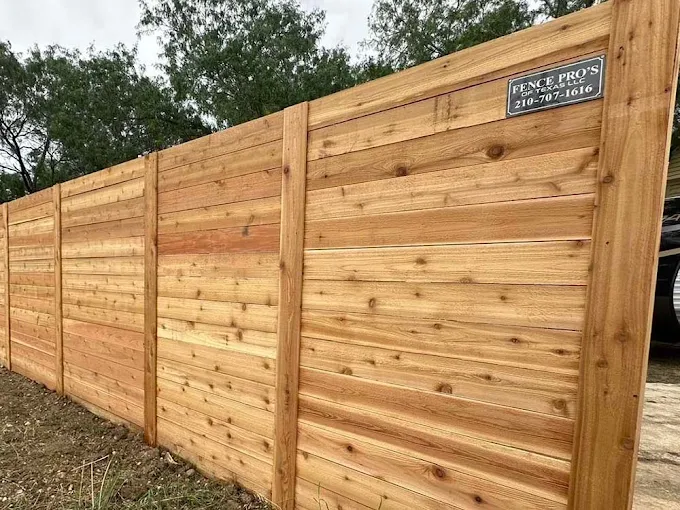
Residential Fencing for Pets: Safety and Containment Tips
If your dog or cat keeps testing the edges of the yard, it is usually not a “willpower” issue. It is a design issue. This guide walks you through the containment details that matter most, from fence height and gaps to gate fit and maintenance, with practical considerations for homeowners in Plano, TX and surrounding areas.
Last week, a Plano homeowner told me their dog was “fine” with the fence for months, then suddenly started finding new routes out. The fence looked solid from the street, but up close there were small clearance gaps at the bottom, a gate that never sat perfectly level, and a spot where the yard had settled after recent rains.
When pets escape, it usually comes down to overlooked details: openings at the ground line, fence-to-post alignment, gate latching reliability, and how materials handle everyday wear. This guide will help you understand what to check first, how to choose a fence style that fits your pet, and which containment upgrades make the biggest difference for your property in Plano, TX.
- Quick answer
- What to check first
- Main things customers should understand
- Why this matters in Plano, TX
- Common mistakes to avoid
- Customer checklist
- Frequently asked questions
Quick Answer
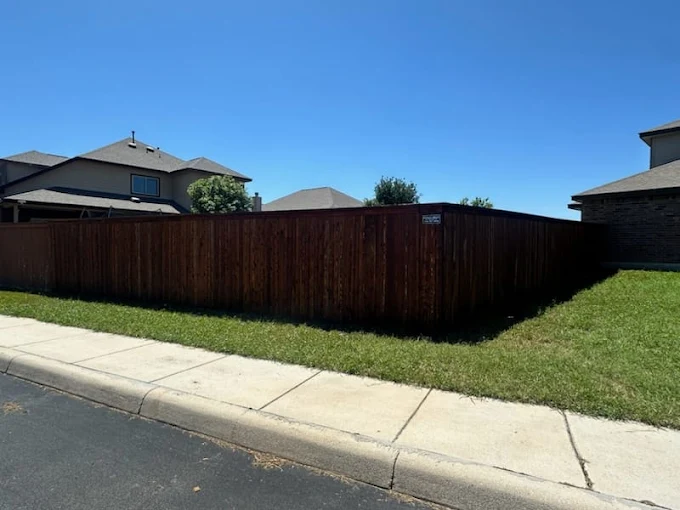
A safe pet fence starts with containment details, not just the fence style. Look for gaps at the bottom, openings around posts, and gate alignment that keeps the latch close and consistent. If your yard has uneven spots or settling, plan for a bottom barrier and a gate that can be adjusted over time. For many Plano homes, privacy fence installation or a well-fitted system using the right fence material and gate design helps reduce escape routes. A good next step is to have your fence and gates inspected for clearance and fit before you replace the whole run.
What to Check First
If your pet is escaping, start at the “weak points,” because most containment failures happen in a predictable order: the gate, the ground line, and the fence-to-post connections. Walk the perimeter on a calm day and watch for any visible or measurable openings. Even small spaces can be enough for curious dogs, and cats often explore vertical pathways you might not notice.
1) Gate fit and latch behavior
Check that the gate closes fully, sits square, and latches without needing “help.” If the gate drags or swings wider than the frame, your pet will test it.
2) Bottom clearance
Measure the gap between the fence and the ground. Settling, washouts, or uneven grade can create a new escape route even if the fence looked fine before.
3) Fence-to-post openings
Look for places where rails or panels do not meet the posts cleanly. Loose fasteners and shifting hardware can create narrow gaps that widen over time.
Main Things Customers Should Understand
When homeowners ask about pet-friendly fencing, I usually explain that “containment” is a system. Your fence material matters, but so do the height, the spacing, and the gate design. Below are the practical factors that help reduce escapes while still matching how you use your yard in Plano, TX.
Professional observation: The most reliable pet containment setups are the ones where the gate stays aligned and the bottom line stays sealed, even as the yard shifts with seasonal moisture and foot traffic.
Fence material and typical pet behavior
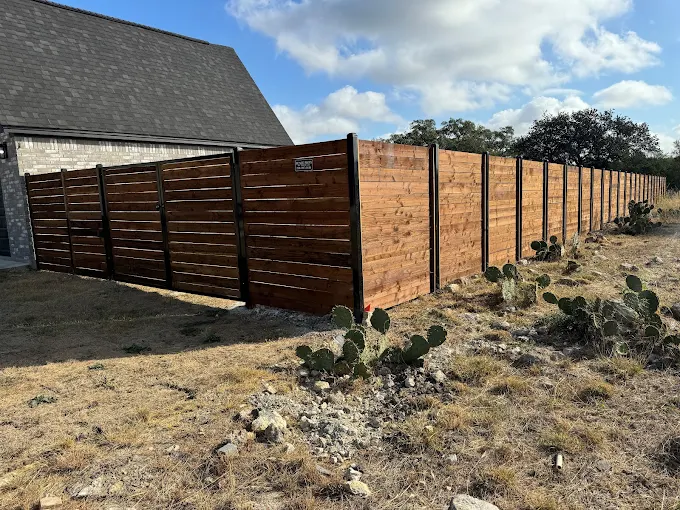
Different pet personalities interact with different fence styles. For example, chain link fences and aluminum fences can work well for visibility, but pets may test openings if the bottom clearance is high or the gate fit is inconsistent. Privacy fence installation, wood fences, vinyl fences, and many wrought iron fence installations can be easier to manage for containment when the layout reduces viewing angles and minimizes gaps.
If your pet is a digger, focus on the bottom line and any areas where the fence meets the ground. If your pet is a jumper or climber, focus on height and the way panels or pickets sit across the full run. If your pet is a “door tester,” focus on gate reliability first.
Gate design is where containment usually succeeds or fails
Many “pet escape” calls are actually “gate problems.” A gate that closes too loosely, swings too freely, or does not latch the same way every time creates a predictable opening. For yards with frequent entry and exit, consider a gate configuration that stays easy for adults to use while staying secure for pets. If you are planning access upgrades, you may also want to review options for access control for gates to better manage entry habits.
Custom fence design for your yard layout
Plano properties vary a lot: some have corner lots, some have side yards where pets pace, and others have pool areas where everyone wants clear boundaries. A custom fence design plan helps match the fence runs to where pets actually roam and where family access is needed. If you are updating fence and gate layout, this is also the time to think about how the fence lines connect to your doors and walkways.
Why This Matters in Plano, TX
In Plano, TX, many homeowners deal with yards that experience changes across the seasons, including soil movement near landscaping edges and areas that see heavier foot traffic. That is why bottom clearance and gate alignment tend to show up as the “new problem” after the first months of ownership or after yard adjustments. When you are maintaining containment, it helps to treat fence checks as part of seasonal yard routines, not a one-time project.
Practical recommendation: If you already have a fence and your pet has started escaping, consider fence repair and fence replacement options only after checking fit points like the gate and ground line. In many cases, targeted fixes to alignment and clearance can restore containment without replacing every panel.
Quick decision table: fence style vs. containment focus
If you are comparing options, use this table to align fence style choices with the containment issues you are most likely to face.
| Fence type | Best containment focus | What to verify |
|---|---|---|
| Privacy fence installation (wood or vinyl) | Reduced viewing angles and fewer “testing spots” | Panel fit, bottom sealing, and secure gate latch |
| Chain link fences | Visibility with careful gap control | Ground clearance and gate alignment at the latch side |
| Aluminum fences | Durability with a clean, maintained look | Spacing, panel-to-post alignment, and gate hardware condition |
| Wrought iron fences | Security with classic durability | Bottom line and consistent gate closure |
| Mixed material fences | Tailored containment where it is needed most | Transitions between materials and consistent gate design |
Need help mapping the safest containment points?
Fence Pros of Texas can help you identify where gaps are forming and what to adjust, repair, or replace for secure residential fence installation in Plano, TX.
Contact Fence Pros of TexasCommon Mistakes to Avoid
Homeowners often solve the wrong problem first. Below are the containment mistakes I see most often, along with why they tend to fail for pets.
1) Ignoring gate alignment
A gate can look “mostly closed” and still leave a small opening at the latch side. Pets find it quickly.
2) Choosing height without gap control
Height helps, but bottom clearance and panel spacing usually determine whether a pet can slip through.
3) Assuming the fence stays level forever
Yards shift. Without periodic checks, small changes can create a new escape route.
Representative scenario: the “new escape route”
A family in Plano noticed their dog started spending extra time at one corner of the yard. The fence run itself looked intact, but the gate was slightly lower on one side. After a rain, the ground near that corner settled just enough to increase the bottom gap. The fix was not a full replacement. It was aligning the gate, correcting how the latch sat, and addressing the bottom clearance along that section so the fence line stayed sealed.
Customer Checklist
Use this checklist before you upgrade or replace fencing. It helps you describe the issue clearly and makes sure you do not miss the details that usually control pet containment outcomes.
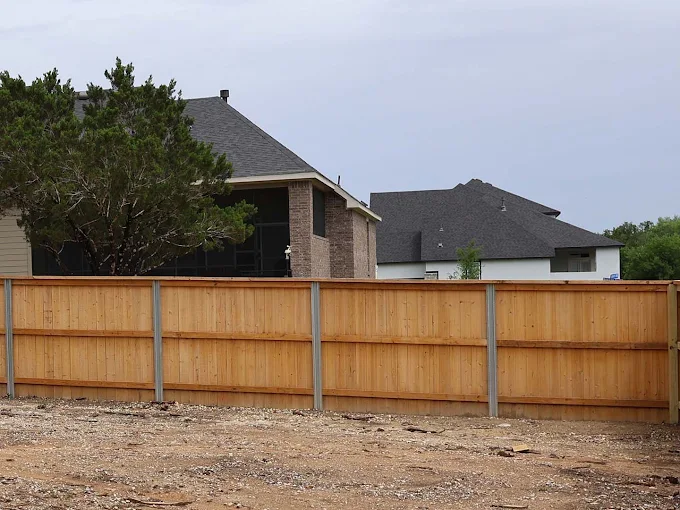
- Walk the perimeter and check for visible gaps at the bottom of the fence and around posts.
- Test the gate latch multiple times to confirm it closes fully without extra pressure.
- Look for uneven spots where the fence meets the ground, especially near corners and walkways.
- Confirm fence panels and rails are securely attached and not shifting.
- Identify where your pet spends time and where it approaches the fence most often.
- Decide whether you need a privacy-focused layout, a metal fence style, or a mixed material approach based on your pet’s behavior.
Frequently Asked Questions
Here are common homeowner questions about keeping pets safely contained with residential fencing and gates in Plano, TX.
How do I know if my fence issue is the gate or the fence itself?
Start by checking the gate first. Open and close it several times and watch the latch side. If your pet approaches the gate area most often, it is a strong clue. Next, inspect the ground line along that same section. Many escapes happen because the gate alignment changes slightly, creating a clearance gap even when the fence panels look fine. If you find uneven bottom clearance elsewhere, then the fence-to-ground fit also needs attention.
Are aluminum fences or chain link fences safe for pets?
They can be, but containment depends on gaps and gate fit. Aluminum fences and chain link fences often allow visibility, which can be helpful, but pets still test openings if the bottom clearance is too large or if the gate does not sit square. A pet-safe setup focuses on consistent alignment along the full run, secure hardware, and a gate that latches reliably every time. If your pet is determined, you may also want a privacy-focused layout or a mixed material design.
What should I consider for a pool fence or yard boundary?
For pool-adjacent boundaries, the priority is reliable containment at the gate and along the fence line. Pool areas typically require clear access routes for adults while keeping pets from slipping through or pushing open doors. That means verifying gate closure behavior, checking bottom clearance, and ensuring fence sections connect cleanly to posts. If your layout involves multiple access points, planning the gate locations carefully can help reduce the number of weak spots where pets try to enter.
Can fence repair fix pet containment problems instead of replacing everything?
Often, yes. If your fence is generally intact but you are seeing escape routes at a specific section, gate, or bottom clearance area, targeted fence repair may restore containment. Repairs commonly focus on alignment, secure fasteners, and adjustments that reduce gaps. Fence replacement becomes more likely if the fence has widespread structural issues, repeated shifting, or multiple sections that no longer align properly. A perimeter inspection is the fastest way to determine which path makes sense for your situation in Plano.
How often should I check my fence for pet safety?
If your pet is consistently testing the boundary, check the fence and gates regularly, especially after yard changes or heavy rain. Even when everything looks stable, small shifts can happen over time, and gates can drift out of alignment as hardware wears. A practical routine is to inspect the gate latch and bottom clearance at least periodically, then do a deeper walk-through seasonally. If you notice new behavior, treat it as a prompt to re-check the fit points first.
Ready to tighten containment in Plano?
Whether you are planning residential fence installation or need fence repair, Fence Pros of Texas helps homeowners evaluate gaps, gate fit, and the best fence style for their property.
(210) 707-1616
Fence Pros of Texas
Fence Pros of Texas provides fence and gate solutions for Plano, TX homeowners and property owners across surrounding areas. From residential fence installation to gate and fence contractor services, the focus is on practical containment and solid craftsmanship. Explore related services like residential fencing, residential gates, and railings to see how different systems can fit your property needs.
If you are dealing with a fence or gate that no longer keeps your pets safely contained, start with the fit points that matter most and get a clear plan for repair, replacement, or custom fence design.