

Fence Staining Safety Tips for Homeowners and Pets
If you have a wood fence around your Plano, TX property, a stain refresh can make the whole yard look better. But the process also comes with safety details that matter when you share your space with pets and kids. This guide walks you through practical steps to reduce fumes, prevent contact, and plan the timing so everyone stays safe.
Last week, a Plano homeowner told us they were ready to stain their wood privacy fence before guests arrived. The fence looked dry and weathered, and the color change would be dramatic. But the moment the stain went on, they realized their dog kept sniffing near the freshly coated boards.
That is a common problem. Staining isn’t just a paint job. It involves wet coatings, odors, and drying time that can create avoidable exposure risks. Below, you’ll learn what to check first, how to plan the work around pets, and how to prevent common staining mistakes that can lead to peeling, uneven color, or extra cleanup.
- Quick answer
- What to check first
- Main things customers should understand
- Why this matters in Plano, TX
- Common mistakes to avoid
- Customer checklist
- Frequently asked questions
Quick Answer
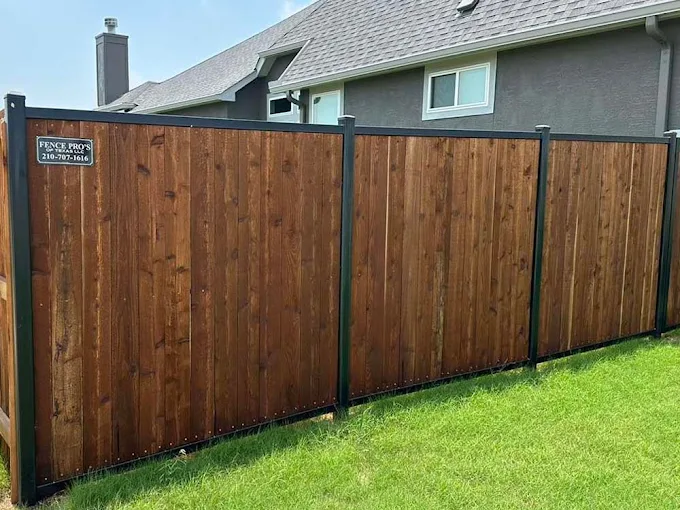
Stain your fence when you can keep pets and people away from the work area until the coating is fully dry and cured. Start by cleaning and letting wood dry properly, then apply stain carefully to avoid drips and overspray. Create a temporary “no-go” zone, cover walkways, and keep pets inside or supervised during application and drying. If you are unsure about a specific product’s safe re-entry time, follow the label and give extra buffer time before pets return. For help with safer prep and application, consider professional fence staining support in Plano.
What to Check First
Your first safety wins happen before the stain ever opens. Start by reviewing the wood condition and the product instructions, then plan how you will protect pets during the wet stage and the dry stage. Wood fences in Plano yards are often exposed to sun, wind, and seasonal humidity swings, which can affect how quickly stain sets up and how long odors linger.
Professional observation: When homeowners tell us their dog “just won’t stop going back to the fence,” it is usually because the surface is still tacky or because drips and splatter create a tempting scent trail. The fix is less about “shooing” and more about controlling access and cleanup.
Check the product label and work conditions
Before staining, read the stain label for guidance on ventilation, re-entry time, and safe handling. If the label specifies a particular drying or recoat window, plan around it. Also check the forecast. Avoid staining right before heavy rain or during periods of high moisture that can slow drying.
Plan your pet access route
Pick a time when you can keep pets away from the entire fence line. If your dog normally runs along the yard boundary, consider temporarily rerouting their route to a different area. For cats or smaller pets, even brief access to “a little wet spot” can cause trouble.
Confirm the fence is ready to stain
Stain safety includes avoiding repeated applications. If the surface is dirty, mildew-prone, or not dry enough, you may end up applying more product than planned, which increases tackiness and odor duration. Proper prep supports more even coverage and can reduce the need for rework later.
Contain drips
Use a controlled application method, and keep a small cleanup kit nearby so you can manage accidental drops immediately.
Protect paths
Cover or block common walking lanes so pets do not step through wet coating and track it across the yard.
Keep air moving
Work in open airflow when possible, and avoid lingering near the fence while coating is wet.
Main Things Customers Should Understand
Staining safety is really a combination of chemistry, timing, and access control. The stain goes on wet, then transitions to dry, and finally to a more stable cure. Pets can interact with surfaces at any of those stages, especially when the fence is near their favorite spots. Below are the key factors homeowners in Plano typically need to manage.
Wet, dry, and cure are not the same
Even after the surface looks “dry,” it can remain tacky enough for paw contact. Odor can also linger beyond the first drying phase. Use the stain label guidance for re-entry timing, and consider adding extra buffer time before pets return to the fence line.
Prevent contact during the highest-risk window
The highest risk is during application and while the coating is still wet. Set up a temporary barrier so pets cannot reach the boards, gate hardware, or any drips along the base. If you have a fence gate, include it in the restricted zone. Pets often test it because it moves differently than fixed panels.
Control waste and cleanup
Keep rags, brushes, and used containers out of pet reach. Small items are easy to chew or knock over, and wet materials can be more hazardous than dry ones. Dispose of waste according to the product guidance so it does not become another “sniff and taste” opportunity.
Match the process to your fence material
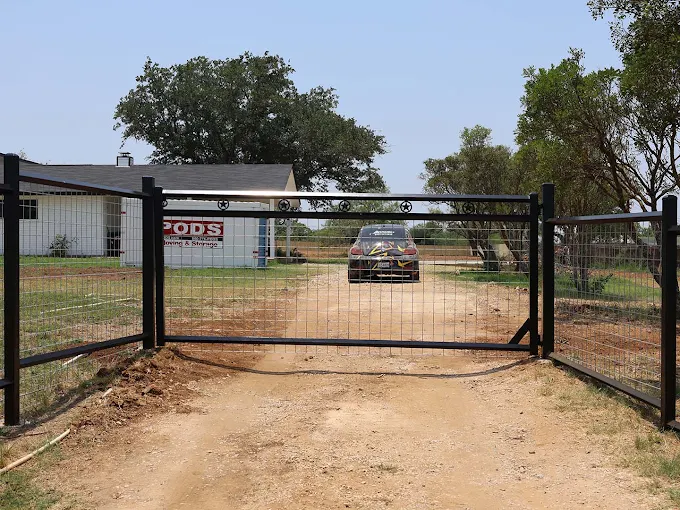
Most of the staining conversation applies to wood fences. If you have mixed materials around your property, treat each section appropriately. For example, metal sections may require different maintenance steps than wood. If your plan includes updating other fencing features, you can explore options like residential fencing for a cohesive look.
| Situation | Why it matters for pets | Practical move you can make |
|---|---|---|
| Fence is freshly coated | Paws and noses can contact wet stain before it sets | Block access to the full fence line until fully dry per label guidance |
| Uneven coverage or drips | Drips create small “targets” pets investigate | Apply carefully and clean any drips promptly |
| Odor is still noticeable | Pets may linger near the source | Plan a longer re-entry buffer time, especially if your pet returns to the fence |
| Fence touches a common pet path | Even supervised pets may brush against boards | Reroute foot traffic during drying |
Why This Matters in Plano, TX
Plano homeowners often stain and maintain fences during seasonal transitions, when outdoor temperatures can change quickly and humidity can vary throughout the day. That matters because drying time affects tackiness and odor. If you stain when the wood is still holding moisture or when conditions slow drying, pets may have a longer window where the fence feels “interesting” to them.
Watch for humidity and timing windows
Try to choose a day and time block that gives you enough uninterrupted drying time. If clouds roll in or the ground is damp, stain can take longer to set. When drying is slower, your pet barrier needs to stay in place longer.
Don’t forget gates and latch areas
Gates are high-contact zones. Pets may push, paw, or mouth at the area because it moves and because it often collects residue near the latch. If you are working near gates, treat them as part of the restricted zone and keep pets away until the coating is stable.
Practical recommendation: If you want the cleanest results and the safest process, consider having your staining handled as part of a broader fence maintenance plan. Fence Pros of Texas can coordinate prep and staining so you are not juggling multiple projects at once, including other upgrades like railings for nearby areas.
Need help planning a safer staining day?
Share what type of fence you have and where your pets spend time. Fence Pros of Texas can help you think through prep and safe application so the work area stays controlled.
Call Fence Pros of TexasCommon Mistakes to Avoid
Most staining problems start with a safety shortcut. A rushed timeline, weak containment, or skipping surface prep can lead to drips, tacky spots, and longer odor periods. Here are the mistakes we see most often around Plano homes with pets.
Rushing pet re-entry after “dry to the touch”
Pets often return as soon as the fence looks dry. “Dry” visually does not always mean it is safe for contact. Follow the stain label guidance and give extra time if your pet repeatedly investigates fence boards.
Not fully blocking the fence line and gate area
A barrier that only covers the middle panels still leaves the ends, posts, and gate edges accessible. Those are exactly where drips and splatter tend to land, and exactly where pets like to sniff.
Staining over damp or dirty wood
When prep is skipped, the coating can sit unevenly or take longer to set. That can increase tackiness and make rework more likely. Proper prep supports more consistent coverage and reduces the temptation for pets to investigate “sticky” spots.
Leaving brushes, rags, or containers within reach
Even small items can be a hazard if pets chew them. Keep cleanup materials secured, and manage waste promptly so it does not become another curiosity.
Customer Checklist
Use this checklist to plan a safer staining session around pets. If you can check each item before you start, you will reduce the risk of accidental contact and avoid last-minute scrambling.
- Read the stain label for ventilation and re-entry timing guidance.
- Choose a work window that allows enough drying time without rain or heavy moisture.
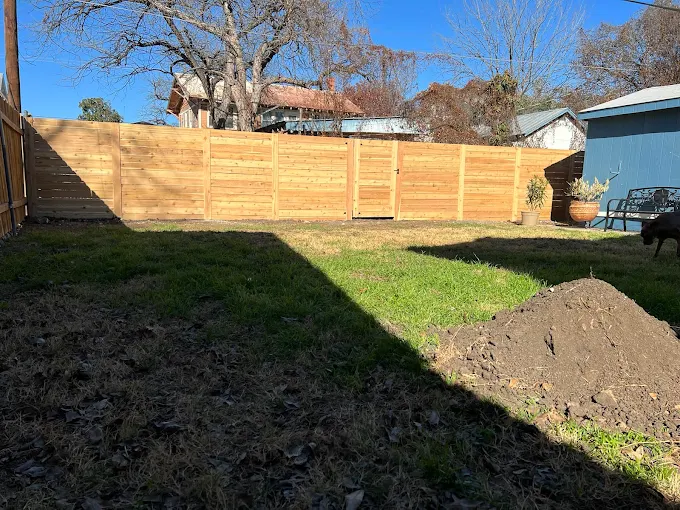
- Create a temporary “no-go” zone that includes fence ends, posts, and gates.
- Cover or reroute any pet walking paths that run near the fence line.
- Prepare the surface properly before applying stain to avoid tacky, uneven spots.
- Apply carefully to reduce drips and splatter that pets may investigate.
- Keep rags, brushes, and containers secured out of pet reach during and after work.
- Wait for the surface to be fully dry per label guidance before allowing pets back outside.
- Do a final visual check for missed spots along base rails and gate hardware.
A Representative Scenario: Plano Family with a Curious Dog
Imagine a Plano household with a wood privacy fence and a dog that loves to patrol the backyard boundary. They start staining in the afternoon, but they set up barriers before opening the product. The family keeps the dog indoors during application and drying, covers the nearby walkway, and cleans any small drips immediately. When the stain has fully dried according to the label, they do not rush the dog back to the fence line. Instead, they supervise a short return, just long enough to confirm the boards feel stable and there is no tacky residue. The result is a cleaner finish and a much calmer day.
Frequently Asked Questions
How long should I keep pets away from a stained wood fence?
You should follow the re-entry timing on the stain label and avoid letting pets interact with the fence until the coating is fully dry and stable. “Dry to the touch” is not always the same as being safe for paw contact. If your pet is especially curious and repeatedly investigates surfaces, add a bit of extra buffer time before returning them to the fence line. For families in Plano, drying can vary with humidity, so a longer drying window may be necessary when conditions slow set-up.
Can my dog still go outside while I’m staining?
Ideally, no. During staining, the fence is wet and odor may be present, which increases the chance your dog will sniff or touch the boards. A safer approach is keeping pets inside or in a separated area for the entire application and drying period. If you must be outside, use a temporary barrier that blocks the full fence line, including posts and gate edges, so there is no accidental access. This prevents paw contact with wet stain and reduces cleanup caused by tracked residue.
What should I do if stain drips near the bottom rail?
Manage drips promptly while the stain is still controllable. Small drips can become “target spots” that pets investigate with noses and paws. Clean up according to the product guidance and keep your cleanup materials secured away from animals. After cleanup, recheck the area before allowing pets back outside. If you notice uneven areas that feel tacky longer than expected, give the fence additional time and follow the label for re-entry and any recoat instructions.
Does fence type matter for staining safety?
Yes. Staining work most directly applies to wood fences. If your property has mixed materials, treat each section appropriately because maintenance steps and surface behavior differ. For example, metal components and gate hardware may not be part of the same staining process, and pets may still access those areas during drying. If you are planning updates beyond staining, you can also review fencing options such as commercial fencing or other material choices to match how your yard is used.
Is it worth hiring help for fence staining?
Hiring help can be worth it when you have pets that cannot be kept away for long, or when the fence needs proper prep to avoid uneven coverage and repeat work. A professional staining approach often reduces the amount of time the fence sits wet and helps manage a controlled process from cleaning through final drying. If you want a coordinated plan for your property, Fence Pros of Texas can help you think through safe prep and application for your wood fence in Plano.
Want a safer staining plan for your Plano yard?
Fence Pros of Texas provides fence and gates services across Plano, TX and surrounding areas. If you want help coordinating prep, application, and safe timing around your home, reach out.
(210) 707-1616
Fence Pros of Texas
Fence Pros of Texas supports homeowners and businesses with fence and gate solutions in Plano, TX and surrounding areas. From residential fence installation to maintenance, staining, and more, our goal is to help you keep your property secure, attractive, and properly maintained.
Explore related services like residential gates or discuss your fence staining needs by calling (210) 707-1616.