
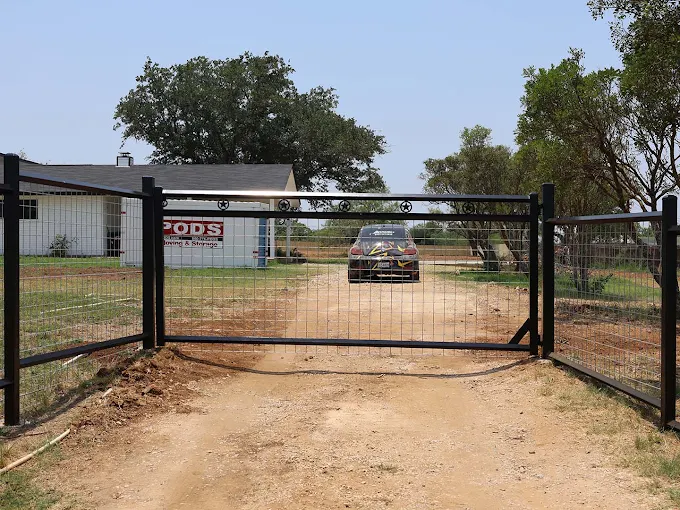
Residential Fencing and Its Environmental Impact
North Texas neighborhoods are changing fast. As Plano continues to grow, more homeowners are investing in new residential fences for privacy, security, and curb appeal. But there’s a question that doesn’t always get asked: what does that fence mean for the environment?
According to the U.S. Census, Collin County has been one of the fastest‑growing counties in the country over the last decade. More homes mean more yards—and more fencing. Every choice you make, from materials to installation methods, has a ripple effect on local wildlife, stormwater runoff, and even the long‑term health of your soil and landscaping.
In this guide, you’ll see how different fence materials affect the environment, what’s unique about Plano’s climate and soil, and how thoughtful design can balance privacy, safety, and sustainability. You’ll also learn practical steps you can take—whether you’re planning a brand‑new Residential Fence Installation or updating an older fence—to reduce your environmental footprint without sacrificing performance or style.
Key Insight: With smart material choices, careful design, and proper maintenance, your fence can protect your home and support a healthier local environment.
How Fence Materials Shape Your Environmental Footprint
Every fence starts with a material choice, and that decision has long‑term environmental consequences—both positive and negative.
Wood, Vinyl, Metal: The Basics
In Plano, you’ll see a lot of cedar Wood Fences, some vinyl privacy panels, and more and more metal systems. Each behaves very differently over its lifetime:
- Wood fences
- Renewable resource (especially when sourced responsibly)
- Biodegradable at end of life
- Requires staining or sealing, which can introduce chemicals
- Shorter lifespan if not maintained
- Vinyl fences
- Long‑lasting and low maintenance
- Made from PVC (a plastic derived from fossil fuels)
- Not biodegradable; recycling options are limited
- Can be energy‑intensive to manufacture
- Metal fences (aluminum, steel, wrought iron, corrugated)
- Extremely durable and often recyclable
- Higher initial manufacturing energy cost
- Minimal chemical maintenance if finished correctly
“Durability is one of the most overlooked environmental factors. A fence that lasts 30 years often has a smaller footprint than one that needs replacing every 10.” — Industry Best Practice, American Fence Association
Local Example: Two Very Different 20‑Year Stories
A Plano homeowner put in a basic pine privacy fence in 2004. It was never stained and only repaired when panels failed. By 2020, that fence had been partially replaced twice, generating multiple loads of debris and requiring new lumber, hardware, and labor each time.
A neighbor a few streets over chose a higher‑quality cedar Wood Fence Installation with a professional sealant, then kept up with re‑staining every few years. That fence, with a few minor repairs, is still standing strong today.
Same neighborhood, same soil, same weather—very different environmental outcomes.
Material Comparison at a Glance
| Material Type | Typical Lifespan (Plano) | Maintenance Needs | Recyclability | Environmental Pros | Environmental Cons |
|---|---|---|---|---|---|
| Cedar Wood | 15–20 years | High (stain/seal) | Biodegradable | Renewable, natural look | Chemical treatments, shorter lifespan |
| Vinyl | 20–30 years | Low | Limited | Long life, no staining | Plastic production, landfill at end of life |
| Aluminum | 25–40+ years | Very low | Highly recyclable | Lightweight, corrosion‑resistant | Energy‑intensive manufacturing |
| Wrought Iron / Steel | 25–40+ years | Moderate (rust control) | Recyclable | Extremely strong, repairable | Can rust without upkeep, heavy manufacturing |
| Corrugated Metal | 20–30 years | Low–moderate | Recyclable | Durable, good for mixed‑material use | Requires careful design for aesthetics & noise |
CALLOUT: The most sustainable fence is usually the one that’s properly built, thoughtfully designed, and maintained so it doesn’t need frequent replacement.
Wildlife, Drainage, and Heat: How Fences Interact with Nature
In a city like Plano, where development meets creek corridors and open spaces, fences can either work with the local environment—or fight against it.
Wildlife Movement and Habitat
Backyards here often see rabbits, squirrels, birds, and occasionally even coyotes moving through greenbelts and drainage easements. A solid fence can interrupt those patterns.
- Solid Privacy Fence Installation can block smaller animals entirely.
- More open styles, like Chain Link Fences or Wrought Iron Fences, allow wildlife to move more freely.
- Raising the bottom rail a couple of inches in low‑traffic areas can create a subtle wildlife corridor without sacrificing security.
A Plano homeowner near Oak Point Park asked us to replace an aging wood fence. They loved the privacy but noticed fewer birds and small animals after their neighbors installed tall, solid fences. We suggested a mixed‑style design: solid privacy along the street side and a more open metal section facing the greenbelt. The result: privacy where they needed it, and better habitat connectivity at the back.
“Small design tweaks—like selective openness or strategic gaps—can make a big difference for urban wildlife.” — Local Environmental Design Principle
Stormwater and Soil Health
North Texas storms can drop inches of rain in a single evening. Fences that aren’t planned with drainage in mind can:
- Trap water against posts and panels, shortening fence life
- Redirect runoff toward your foundation or your neighbor’s yard
- Cause erosion under the fence line
Permeable designs like Chain Link Fence Installation or rail‑style metal systems let water pass through naturally. Even solid Metal Fence Installation or wood fences can be installed with proper grading and small gaps to avoid creating a “dam” effect.
Heat and Microclimate
Dark, solid fences can absorb and radiate heat, contributing to a “backyard heat island.” In Plano’s hot summers, that can:
- Stress plants and grass near the fence line
- Make patios and play areas less comfortable
- Increase watering needs
Lighter‑colored Vinyl Fences, lighter stains, or mixed‑material designs that integrate plants or climbing vines can help keep your yard cooler and more comfortable.
Comparing Common Fence Types Through an Environmental Lens
Not all fence styles are created equal when it comes to sustainability. Looking beyond appearance and price can help you choose a solution that works better for your home and the environment.
Aluminum and Wrought Iron: Long Life, Lower Waste
Modern Aluminum Fences and traditional Wrought Iron Fences are popular in Plano for pools, front yards, and along greenbelts. Environmentally, they offer:
- Long lifespans with minimal material replacement
- High recyclability at end of life
- Little to no need for chemical sealers if powder‑coated
A Plano family near a community pool opted for Aluminum Fence Installation instead of wood. They liked the open view and low maintenance. From an environmental standpoint, they also reduced future waste by installing a system designed to last for decades, not years.
Wood: Natural but Not Automatically “Green”
Cedar is a favorite for privacy fences here, and with good reason: it looks great and handles our climate well. But its environmental impact depends on:
- Whether it’s sourced responsibly
- How it’s treated and maintained
- How often it needs repair or replacement
Professional Fence Maintenance—including cleaning and re‑staining—can significantly extend the life of a wood fence. That means fewer trees cut, fewer truckloads of debris, and less frequent manufacturing of replacement materials.
Vinyl and Composite: Tradeoffs to Consider
Vinyl and composite fences offer:
- Very low routine maintenance
- Strong resistance to rot and insects
- Consistent appearance over time
The tradeoff is that they are petroleum‑based and more difficult to recycle. If you choose Vinyl Fence Installation, focus on:
- Reputable manufacturers with quality controls
- Proper installation to prevent premature damage
- A style you can live with for the long haul, to avoid replacement for aesthetic reasons alone
Mixed Material and Glass Options
More Plano homeowners are exploring Mixed Material Fences, combining wood with metal or glass panels. Done right, this can:
- Reduce the amount of wood needed
- Improve airflow and light penetration
- Create durable sections where weathering is worst
Glass panels, especially around pools, provide clear sightlines and wind control, though they require more frequent cleaning. From an environmental perspective, their durability and recyclability help offset the energy used to produce them.
Installation Practices That Make a Big Environmental Difference
Even the most eco‑friendly material can underperform if the installation is rushed or careless. How your fence is installed has a direct impact on the soil, root systems, and drainage patterns around your home.
Protecting Trees and Landscaping
Plano’s mature live oaks and red oaks are a big part of neighborhood character. Poorly planned fence lines can:
- Cut through major root systems
- Compact soil around trunks
- Restrict future growth
A thoughtful Custom Fence Design looks at:
- Tree location and critical root zones
- Existing beds and irrigation lines
- Sightlines from key rooms and outdoor spaces
We’ve worked with homeowners near Preston Road who thought they had to remove a beautiful oak to install a new fence. By adjusting the line slightly and using a stepped design, we preserved the tree, maintained privacy, and avoided the environmental cost of losing a mature shade tree.
“Any time you can design around an existing tree instead of removing it, you’re preserving decades of stored carbon and shade value.” — Urban Forestry Guideline
Minimizing Soil Disruption and Waste
Environmentally conscious installation focuses on:
- Accurate post hole placement to avoid unnecessary digging
- Proper concrete use—enough for stability, but not excessive
- Responsible debris handling and recycling of metal components
Good planning also reduces the number of trips required for materials and adjustments, cutting down on fuel use and emissions.
Noise, Dust, and Neighbor Relations
There’s a human environment to consider too. Careful scheduling, dust control, and clear communication with neighbors reduce the impact of your project on the surrounding community.
Maintenance, Staining, and the Life Cycle of Your Fence
How you care for your fence can be just as important as what it’s made of. Smart maintenance extends life, reduces waste, and keeps chemicals out of your soil and storm drains.
Staining and Sealing: Balancing Protection and Chemistry
For wood systems, professional Fence Maintenance and Staining services protect against UV damage, rot, and warping. Environmentally, that’s a big win: a 5–10 year extension of fence life can cut your total material use dramatically.
To keep that benefit as green as possible:
- Choose low‑VOC stains and sealers when available
- Avoid over‑application that can run off into soil
- Schedule work for dry days so products cure properly
A homeowner in West Plano had a 6‑year‑old cedar fence that was starting to gray and crack. Instead of replacing it, they opted for cleaning and a high‑quality stain. The visual transformation was dramatic, and they likely added another decade of life to the fence—postponing the environmental cost of a full replacement.
Repair vs. Replacement
Sometimes, a targeted Fence Repair is all you need:
- Replacing individual pickets instead of whole panels
- Reinforcing or resetting posts instead of re‑digging
- Upgrading hardware to prevent future failures
That approach uses fewer materials and generates less waste. But there’s a tipping point: very old or structurally unsound fences may consume more resources in constant patching than a thoughtful Fence Replacement would.
Life Cycle Thinking
Environmental best practice looks at the whole life of a fence:
- Raw material extraction
- Manufacturing and transport
- Installation practices
- Decades of maintenance
- End‑of‑life disposal or recycling
Choosing durable materials, maintaining them well, and planning for eventual recycling where possible is the most sustainable path.
Privacy, Security, and Sustainability: Finding the Right Balance
Most Plano homeowners have more than one goal in mind: they want privacy, security for kids and pets, and a fence that looks great with their home’s architecture. You don’t have to sacrifice those priorities to be environmentally responsible.
Smarter Privacy Solutions
Solid Privacy Fence Installation is popular here, especially along alleyways and busy streets. To make privacy more sustainable, consider:
- Taller fences only where they’re truly needed
- Integrating shrubs or hedges to soften visual impact
- Using durable hardware and posts that outlast the panels
A family near Legacy West wanted full privacy from a busy cut‑through street but liked the view into a nearby greenbelt. We designed a solid wood privacy fence along the street side and a more open metal design facing the green space, reducing material use and improving airflow and light.
Security Without Overbuilding
For many homes, a well‑planned Security Fence Installation uses:
- Strategic height (often 6–8 feet where allowed)
- Strong but open materials like metal pickets
- Secure Residential Gates with quality locks and, where appropriate, Access Control features
These designs often require less solid material, use components that last longer, and are easier to repair piece by piece.
Pools, Gardens, and Specialty Areas
- Pools: A Pool Fence Installation must meet safety codes, but you can still choose materials that offer visibility, durability, and recyclability—like aluminum.
- Gardens: Thoughtful Garden Fence Installation can protect plants from pets and wildlife while allowing pollinators through, especially when using open or decorative designs.
- Decorative elements: Decorative Fence Installation doesn’t have to mean excess. Strategic accents, mixed materials, and integrated Railings or trellises can add style with minimal extra material.
What This Means for Homeowners in Plano, TX
Plano’s rapid growth, warm climate, and clay‑heavy soils create a unique context for residential fencing. The decisions you make about your fence affect more than just your property line—they influence neighborhood character, drainage patterns, and the long‑term health of your outdoor spaces.
Because Plano has:
- Hot summers and strong sun that age materials quickly
- Heavy storm events that test drainage and structural integrity
- A mix of older neighborhoods and new developments with different tree canopies and lot layouts
…it’s especially important to think long‑term.
Sustainable choices in this environment often look like:
- Investing in durable systems—such as metal or high‑quality wood—installed correctly the first time
- Choosing designs that respect trees, existing landscaping, and natural drainage
- Opting for professional maintenance like staining and repairs instead of waiting until a full replacement is unavoidable
For many homeowners, this approach also makes financial sense. A fence that lasts longer and requires fewer emergency fixes reduces total cost of ownership, while also minimizing waste and disruption.
In short, treating your fence as part of a broader environmental system—not just a standalone structure—helps protect your investment, your neighborhood, and the natural systems that make Plano a great place to live.
Frequently Asked Questions
Q: Which fence material is the most environmentally friendly for Plano’s climate?
A: There’s no single “greenest” option for every home, but in Plano’s hot, storm‑prone climate, durable materials that last a long time tend to have the lowest overall impact. High‑quality cedar Wood Fences maintained with low‑VOC stains, or metal options like Aluminum Fences and Wrought Iron Fences, perform very well. Aluminum is highly recyclable and resists rust, making it a strong choice for Pool Fence Installation or open perimeter fencing. If you prefer wood privacy, professional Wood Fence Installation combined with ongoing Fence Maintenance can significantly extend the life of your fence and reduce waste.
Q: Are vinyl fences a bad choice for the environment?
A: Vinyl has tradeoffs. On one hand, Vinyl Fences are long‑lasting, don’t need staining, and stand up well to Plano’s sun and humidity, which reduces the need for frequent replacement. On the other hand, PVC production is energy‑intensive and vinyl is harder to recycle than metal. If you choose Vinyl Fence Installation, focus on quality materials from reputable manufacturers and a design you’re confident you’ll be happy with for decades. Proper installation is also key—well‑installed vinyl panels are less likely to crack or warp, which prevents premature disposal and replacement.
Q: How can I make a privacy fence more eco‑friendly without losing seclusion?
A: You can keep privacy and still reduce environmental impact by focusing on durability, design, and landscaping. Start with a robust Privacy Fence Installation using quality wood or metal framing, then protect it with professional Staining. Consider mixing solid panels with sections of more open design where full privacy isn’t critical. Many Plano homeowners also plant shrubs or climbing vines along their fences to soften the visual impact, reduce heat absorption, and provide habitat for birds and pollinators. This approach can turn a simple privacy fence into a living, functional part of your landscape.
Q: Is it better to repair my existing fence or replace it entirely?
A: From an environmental perspective, targeted Fence Repair is often the greener option—provided the structure is fundamentally sound. Replacing individual pickets, reinforcing posts, or upgrading hardware uses fewer materials and generates less waste than a full tear‑out. However, if your fence is severely rotted, leaning, or failing in multiple sections, continued patching may ultimately consume more resources than a well‑planned Fence Replacement. A professional assessment can help you weigh the remaining lifespan of your current fence against the benefits of a new, longer‑lasting system.
Q: Do metal fences get too hot in Texas summers and affect my yard?
A: Metal fences do absorb heat, but because they typically have open designs, they don’t trap heat the way solid dark surfaces can. Metal Fence Installation using aluminum or steel pickets allows air to flow freely, which helps moderate temperature around the fence line. If you’re concerned about heat near patios or play areas, you can choose lighter colors, integrate strategic shade planting, or combine metal with other materials. Many Plano homeowners use metal for perimeter or Security Fence Installation and reserve solid materials for limited privacy zones where heat buildup is less of a concern.
Q: How do fences near creeks or drainage areas impact the environment?
A: Fences along creeks, easements, or low‑lying areas require special care. Solid barriers can disrupt natural water flow, cause erosion, or trap debris during heavy storms—issues Plano sees during intense rain events. More open styles like Chain Link Fences or well‑spaced metal pickets are usually better choices in these locations, allowing water and small wildlife to pass through. Proper post setting, elevation, and attention to local regulations are crucial. A well‑designed Garden Fence Installation or perimeter fence in these sensitive areas can protect your property without harming the broader watershed.
Q: Can decorative fences still be environmentally responsible?
A: Yes. Thoughtful Decorative Fence Installation uses design, not just extra material, to create impact. For example, combining a simple metal frame with carefully placed wood or composite accents can deliver high visual appeal with less total material. Incorporating built‑in Railings, planters, or trellis sections for vines can add function and beauty while supporting plant growth and biodiversity. The key is to avoid overbuilding purely for looks and instead focus on durable, versatile elements that will remain attractive and useful for many years.
Ready to Get Started?
If you’re planning a new fence in Plano, this is the ideal time to think beyond just style and price. Material availability, changing weather patterns, and ongoing development in Collin County all mean your decisions today will shape how your property functions—and how it impacts the environment—for decades.
Fence Pros of Texas designs and installs residential fences with longevity, performance, and environmental impact in mind. Whether you need a secure Residential Fence Installation, updated Residential Gates, or durable Estate Gates, our team can walk you through options that balance privacy, security, and sustainability.
Seasonal demand in North Texas means spring and fall schedules fill quickly, especially for larger projects and custom designs. If you’re considering a project this year, it’s wise to start the conversation now so you have time to review designs, materials, and any special considerations for drainage or landscaping.
We’ll help you evaluate your existing fence, explore environmentally smart options, and create a plan that works for your home, your budget, and your values.
About Fence Pros of Texas
Fence Pros of Texas serves homeowners and businesses in Plano and across North Texas with high‑quality fencing, gates, and related services. Our team brings years of local experience with clay soils, strong storms, and HOA requirements, allowing us to design fences that last and look great. From Commercial Fence Installation and Farm Fencing to custom Security Fence Installation and access‑controlled Commercial Gates, we focus on craftsmanship, code compliance, and long‑term performance. To learn more about our services and approach, visit our website.