
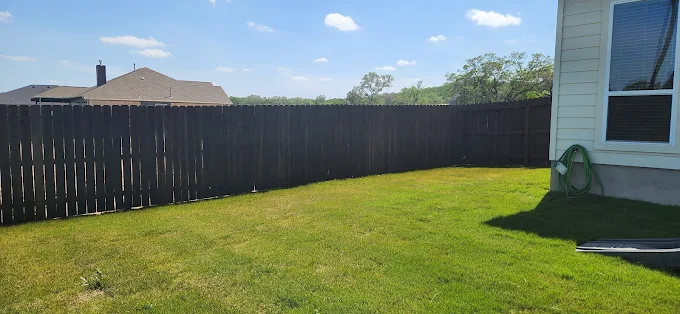
How to Maintain Your Residential Fencing
A fence in Plano doesn’t just mark your property line—it’s part of your home’s first impression, your family’s privacy, and often your first line of security. Between our hot summers, sudden storms, and occasional hail, North Texas weather is tough on fences. It’s no surprise that many homeowners in Collin County end up replacing fences years earlier than they should, simply because routine maintenance was skipped.
Industry data shows that well-maintained wood fences can last 5–10 years longer than neglected ones, and properly cared-for metal or vinyl fences can easily double that. That’s real money staying in your pocket instead of going into premature replacement.
In this guide, you’ll learn how to care for every major residential fence type common in Plano—from wood and vinyl to aluminum and wrought iron—plus how to spot early warning signs, what tasks you can DIY, and when it’s smarter to call a pro. You’ll also see how small seasonal habits can significantly extend the life and beauty of your residential fencing.
Key Insight: Consistent, simple maintenance—done at the right time of year—adds years to your fence’s life, boosts curb appeal, and protects your investment in your Plano home.
Understanding Your Fence Type: Maintenance Starts with Materials
Before you can take care of your fence, you need to know what you’re working with. Each material used in Residential Fence Installation around Plano has its own strengths, weaknesses, and maintenance needs.
Common residential fence types in Plano
You’ll typically see:
- Wood Fences (cedar and pine privacy fences)
- Vinyl Fences
- Aluminum Fences and Wrought Iron Fences
- Decorative Mixed Material Fences and Corrugated Metal Fences
Each reacts differently to heat, UV exposure, soil movement, and moisture.
“Maintenance isn’t one-size-fits-all. A cedar privacy fence and a powder-coated aluminum pool fence need very different care schedules.” — Fence Pros of Texas Team
Local example: Same neighborhood, different fence life
In a Plano subdivision near Legacy Drive, two neighbors installed similar six-foot privacy fences within months of each other. One chose stained cedar with a maintenance plan; the other went with untreated pine and never followed up.
- The cedar fence was cleaned and re-stained every 3–4 years and inspected after storms.
- The pine fence was left alone.
After 9 years, the cedar fence still looked sharp and sturdy. The pine fence had warped pickets, leaning posts, and visible rot—and was quoted for full replacement.
CALLOUT: The material you choose sets the baseline for lifespan, but regular care is what determines whether you get 8 years or 18 years out of your fence.
Understanding your fence type also helps you decide when to repair vs. when to consider Fence Replacement. A few rust spots on an aluminum fence? Easy fix. Widespread rot on a wood fence in clay soil? It may be time for a new Privacy Fence Installation.
Wood Fence Care: Protecting Your Privacy and Your Investment
Wood fences are everywhere in Plano’s neighborhoods because they offer privacy, warmth, and a classic Texas look. They’re also the most vulnerable to our climate. Without regular Fence Maintenance, UV rays, moisture, and soil movement will break them down quickly.
Essentials of wood fence maintenance
For cedar or pine fences, a simple routine makes a big difference:
- Annual inspection
- Check for loose pickets, warped boards, cracked rails, and leaning posts.
- Look for discoloration at the base of posts where rot often starts.
- Cleaning every 1–2 years
- Light wash with a low-pressure setting and mild cleaner to remove mildew and dirt.
- Avoid high-pressure blasts that can chew up the wood fibers.
- Staining or sealing every 3–4 years
- Use a quality exterior stain or sealant designed for North Texas conditions.
- Focus on UV protection and water repellency.
Many Plano homeowners pair their fence with professional staining to lock in color and protect against sun and rain. A good stain job not only refreshes the look—it also significantly slows down cracking, cupping, and warping.
Real-world case: A backyard privacy fence in Plano
A family off Spring Creek Parkway had a 7-foot cedar privacy fence installed with metal posts. They opted for a professional stain two months after installation and then again four years later. They also:
- Tightened loose screws annually.
- Cleared soil and mulch away from the bottom of the pickets.
- Trimmed sprinklers so they didn’t spray directly on the fence.
Ten years in, their fence still stood straight, with only a few pickets needing Fence Repair. Their neighbor’s unstained fence on the same block? Replaced at year seven.
CALLOUT: The first stain or seal after your Wood Fence Installation is the most important. Don’t skip it—it sets the tone for the life of your fence.
Low-Maintenance Options: Vinyl, Aluminum, and Wrought Iron
If you’d rather spend weekends relaxing than doing fence upkeep, low-maintenance materials are worth considering. Many Plano homeowners are moving toward Vinyl Fences, Aluminum Fences, and Wrought Iron Fences—especially around pools, patios, and front yards.
Vinyl fence care
Vinyl is popular for its clean look and minimal maintenance:
- Wash once or twice a year with a garden hose and mild soap.
- Use a soft brush for algae or mildew in shaded areas.
- Avoid harsh chemicals that can dull the finish.
A homeowner near Oak Point Park installed a white vinyl Garden Fence Installation around her vegetable beds. After three years, all she’s needed is a spring rinse and an occasional spot clean where soil splashed up. No staining, no painting, no rot.
Aluminum and wrought iron fence care
These are favorites for Pool Fence Installation and decorative front-yard fencing:
- Inspect annually for rust spots (especially on wrought iron).
- Touch up chips in the coating with matching paint to prevent corrosion.
- Rinse off fertilizer, pool chemicals, or de-icing products quickly.
A Plano homeowner near the Dallas North Tollway had a black Aluminum Fence Installation around his pool. After a hailstorm, a few pickets were slightly bent. Because the fence had been maintained and the coating intact, he only needed a minor section Fence Repair instead of a full replacement.
“Metal fences can last decades in North Texas if you stay ahead of rust and protect their coatings.” — Fence Pros of Texas Team
Modern and Mixed-Material Fences: Style with Smart Care
Plano’s newer neighborhoods and custom homes are seeing more Mixed Material Fences, Corrugated Metal Fences, and even Glass Fences. They look incredible—but they also demand thoughtful maintenance because you’re combining materials that age differently.
Caring for mixed-material and modern fences
These fences may blend:
- Wood with metal posts or metal panels
- Corrugated steel with cedar framing
- Glass panels with aluminum or steel frames
Key maintenance steps:
- Seal or stain wood elements regularly, just like any other wood fence.
- Check fasteners where different materials meet—these are common failure points.
- Inspect metal surfaces for scratches or coating failures.
- Clean glass with non-abrasive cleaners and soft cloths.
Real-world example: Corrugated metal + cedar in West Plano
A homeowner near Willow Bend installed a sleek horizontal cedar and corrugated metal fence. Initially, they assumed the metal needed no care. After a few years, they noticed minor rust at cuts and exposed edges.
Fence Pros of Texas:
- Cleaned and sealed the cedar boards.
- Treated and painted the rusted metal areas with a rust-inhibitive coating.
- Added small caps and seals to vulnerable metal edges.
With a maintenance plan in place, they extended the life of a very modern, custom Custom Fence Design that could have failed early at its weakest points.
CALLOUT: Mixed-material fences are an investment in style. Protect that investment by understanding how each component behaves in North Texas weather.
Seasonal Maintenance Checklist for Plano Homeowners
North Texas seasons are less about drastic temperature swings and more about extremes: blazing sun, sudden downpours, and high winds. A simple seasonal routine will catch small problems before they become expensive Fence Replacement projects.
Spring: Post-storm inspection and cleanup
- Walk the full fence line after major storms.
- Look for leaning sections, cracked posts, or loose panels.
- Clear away leaves and debris that trap moisture at the base of the fence.
- Check gates and hinges for sagging or misalignment.
Summer: Sun and sprinkler awareness
- Adjust sprinklers so they don’t constantly soak wood fences.
- Check for fading stain or paint—UV damage shows up quickly.
- Watch for soil movement around posts in areas with heavy irrigation.
Fall: Prep for winter
- Tighten hardware and fasteners before windier months.
- Trim bushes and vines off your fence; they hold moisture and add weight.
- Consider scheduling staining or sealing while temperatures are moderate.
Winter: Light touch, safety focus
- Avoid piling snow or heavy debris against the fence (when we do get winter events).
- Check for ice buildup on metal Residential Gates and hardware.
CALLOUT: A 20-minute walk-around inspection each season can save you thousands over the life of your fence.
When to Repair, When to Replace: A Practical Comparison
One of the most common questions Plano homeowners ask is whether they should repair a problem section or invest in a new fence. The answer depends on material, age, and how widespread the damage is.
Here’s a simple comparison:
| Situation in Plano Home | Best Approach | Why |
|---|---|---|
| A few loose pickets, minor rot on a couple of boards | Targeted Fence Repair | Cost-effective, extends life of a mostly healthy fence |
| Fence leaning due to multiple failing posts | New Wood Fence Installation or post reset | Structural issue; simple cosmetic fixes won’t hold |
| Rusted wrought iron near pool, but structure is sound | Spot repair and repaint | Preserve existing Metal Fence Installation with targeted work |
| Old, mismatched fence lowering property value | Full Residential Fence Installation | Modern fence improves security, privacy, and curb appeal |
A Plano homeowner near Coit Road had a 15-year-old wood fence with more than half the boards split or rotting. They’d already done several piecemeal repairs. After a site visit, it was clear that ongoing repairs would cost nearly as much as a new, sturdier privacy fence with metal posts. They opted for a new Privacy Fence Installation and a maintenance plan, turning a recurring headache into a long-term solution.
What This Means for Homeowners in Plano, TX
Plano’s growth, HOA standards, and competitive real estate market make fence condition more than just a cosmetic issue. Your fence affects:
- Property value: Appraisers and buyers notice fence condition immediately.
- Neighborhood standards: Many Plano HOAs along Preston, Coit, and Legacy have strict rules for fence height, material, and appearance.
- Security and privacy: Backyards often back up to alleys, greenbelts, or major roads—making strong fencing essential.
Because our local soil moves and our sun is harsh, neglect shows up faster here than in milder climates. A wood fence that might last 20 years in the Pacific Northwest could fail in 10–12 years in North Texas without proper care. On the other hand, Plano homeowners who choose the right materials and follow a simple maintenance routine often see:
- 5–10 additional years from wood fences
- Decades of performance from well-installed Metal Fence Installation and vinyl systems
- Fewer emergency repairs after storms
For homes with pools, pets, or children, reliable fencing is also a safety and liability issue. A well-maintained Security Fence Installation with solid gates and hardware reduces the risk of unwanted access and keeps your space secure.
The bottom line: In a city like Plano—where curb appeal and property standards are high—maintaining your residential fence isn’t just “nice to have.” It’s part of protecting your home, your investment, and your peace of mind.
Frequently Asked Questions
Q: How often should I stain or seal my wood fence in Plano?
A: Most cedar and pine fences in Plano benefit from staining or sealing every 3–4 years, depending on sun exposure and sprinkler patterns. South- and west-facing fences that take direct afternoon sun may need attention a bit sooner. The first application after your Wood Fence Installation is especially important—usually 4–8 weeks after install, once the wood has dried but before it begins graying. If water no longer beads on the surface or the color looks dull and washed out, that’s a clear sign it’s time to schedule professional staining or sealing.
Q: My fence is leaning in a few spots. Can it be repaired, or do I need a full replacement?
A: Leaning sections often point to issues with posts or soil movement, which is common in Plano’s clay soil. If only a few posts are affected and the boards are still in good shape, targeted Fence Repair—such as resetting or replacing posts—can bring the fence back to plumb. However, if many posts are failing or the fence is older and the pickets are also deteriorating, a new Residential Fence Installation may be more cost-effective long term. A professional assessment on-site is the best way to know which option makes sense.
Q: Are metal or vinyl fences really “maintenance-free”?
A: They’re better described as “low maintenance,” not maintenance-free. Vinyl Fences and Aluminum Fences don’t need staining or painting, but they still benefit from occasional washing and inspection. For vinyl, rinsing off dirt, algae, and pollutants a couple of times a year keeps it looking new. For aluminum and Wrought Iron Fences, checking for chips or scratches in the coating and touching them up prevents rust. Properly cared for, these fences can last decades in Plano with far less effort than wood.
Q: What kind of fence is best for a backyard pool in Plano?
A: Safety and code compliance come first. Many homeowners choose metal options like Aluminum Fences for Pool Fence Installation because they’re durable, attractive, and meet spacing and height requirements more easily. You’ll want self-closing, self-latching Residential Gates, and in some cases, access control for added security. Wood and vinyl can also work if designed correctly. A local fence professional who knows Plano and Collin County codes can help you choose the right style and layout.
Q: How do I know if my fence is still secure enough for pets and kids?
A: Walk your fence line and check for gaps at the bottom, missing or broken pickets, and loose boards or rails. Pay special attention to low spots where pets could dig under or squeeze through. Test your gates—if they don’t latch cleanly or can be pushed open easily, they need adjustment or repair. For families with young children, many opt for a combination of a solid backyard privacy fence and a secondary barrier such as a Garden Fence Installation or pool enclosure. If you’re unsure, a professional inspection can quickly highlight weak points.
Q: Can I add gates or railings to my existing fence setup?
A: In many cases, yes. Homeowners in Plano often enhance older fences with new Residential Gates, upgraded hardware, or decorative railings on steps and porches for both safety and style. You can also integrate access control for added security and convenience. The key is ensuring the new components work structurally with your existing fence and comply with HOA guidelines. A fence contractor can evaluate your current setup and recommend compatible upgrades.
Q: Does maintaining my fence really affect my home’s resale value in Plano?
A: Absolutely. Buyers in Plano notice fencing right away, especially in neighborhoods where backyards back up to alleys or busy streets. A straight, well-maintained fence signals a cared-for property; a leaning, weathered fence suggests deferred maintenance elsewhere. Real estate agents often recommend repairing or replacing damaged fencing before listing. A fresh Decorative Fence Installation or updated privacy fence can enhance curb appeal, improve perceived security, and even help your home stand out against similar listings.
Ready to Get Started?
North Texas weather won’t wait, and neither will the wear and tear on your fence. Catching small issues now—loose boards, early rust, fading stain—can mean the difference between a simple Fence Repair and a full Fence Replacement down the road. Spring and fall are especially busy seasons in Plano for Residential Fence Installation, staining, and maintenance, so scheduling early ensures you get on the calendar before peak demand.
If your fence is showing its age—or if you’re ready to upgrade to a low-maintenance Metal Fence Installation, modern mixed-material design, or new Residential Gates—this is the ideal time to act. A quick on-site visit can give you a clear picture of your options, realistic costs, and a plan that fits your home and HOA requirements.
Whether you need a simple tune-up, a comprehensive maintenance plan, or a fresh start with a new fence, Fence Pros of Texas is here to help you protect and enhance your property.
About Fence Pros of Texas
Fence Pros of Texas is a local fence contractor serving Plano and the greater North Texas area with high-quality Residential Fence Installation, Commercial Fence Installation, Farm Fencing, gates, and staining services. Our team brings years of experience with local soils, weather, and HOA standards, helping homeowners choose and maintain fences that last. From privacy and security to decorative designs and estate gates, we focus on craftsmanship, durability, and honest advice for every project.