
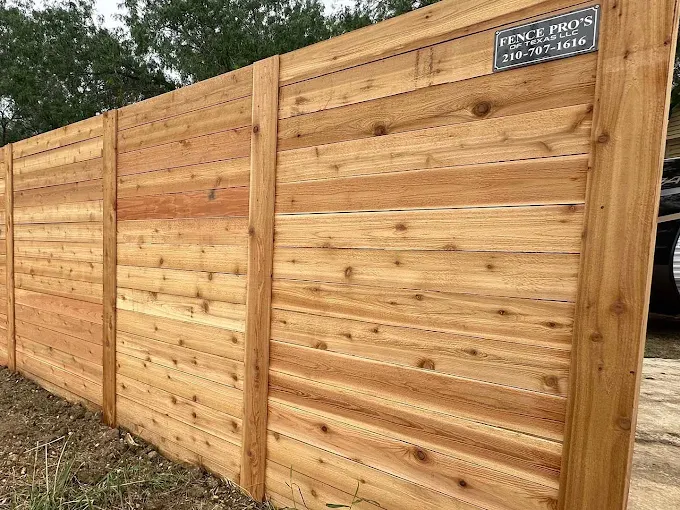
How to Maintain Your Residential Fencing
A fence in Plano doesn’t just mark your property line—it protects your family, your pets, your privacy, and often your home’s value. Yet between the Texas sun, sudden storms, and clay soil that shifts with every season, even a well-built fence can start to lean, fade, or fail faster than you expect.
Nationwide, homeowners spend an average of $1,500–$4,000 on new fences, and in North Texas, replacement costs have climbed in recent years with the price of lumber and steel. The good news: regular, thoughtful fence maintenance can easily double the life of many materials and dramatically reduce repair costs over time.
In this guide, you’ll learn how to care for different types of residential fencing—from wood and vinyl to metal and mixed materials—specifically in our Plano climate. You’ll also see real-world examples, simple inspection routines, and practical tips you can use right away to keep your fence straight, strong, and looking sharp year after year.
Key Insight: Smart, seasonal maintenance is the difference between a fence that fails in 7 years and one that protects your home for 20+ years.
Understand Your Fence Type Before You Touch a Tool
Before you decide how to maintain your fence, you need to know what you’re working with. Different materials behave very differently in North Texas weather, and what protects one type of fence can ruin another.
Most Plano homes have one or a mix of these:
- Wood fences (cedar or pine privacy fences are most common)
- Vinyl Fences
- Aluminum Fences and other metal fences
- Chain Link Fences
- Decorative Wrought Iron Fences or steel
- Corrugated Metal Fences and mixed material designs
Each has its own maintenance “personality.”
For example, a cedar privacy fence off Coit Road may gray and dry out under the sun, while a black iron pool fence near a backyard spa might quietly develop rust where sprinklers hit it every day. A vinyl fence in a new Plano subdivision may never rot, but it can warp or crack if it’s not installed and supported correctly.
“The fastest way to damage a fence is to treat every material the same. Maintenance has to match the fence.”
If you’re not sure what type of fence you have, walk your fence line and look for:
- Wood grain vs. smooth plastic or metal
- Welded joints (metal) vs. fasteners or brackets (wood/vinyl)
- Coatings: paint, stain, powder coat, or bare metal
Once you know your material, you can choose the right cleaning methods, coatings, and inspection priorities—and avoid expensive mistakes like pressure-washing vinyl too aggressively or trapping moisture against wood with the wrong sealer.
CALLOUT: Take 5 minutes to identify your fence type and any mixed sections (like wood posts with metal panels). That quick step will guide all the maintenance decisions you make next.
Seasonal Fence Care in Plano’s Tough Climate
Plano sits in a zone where hot summers, occasional ice, and expansive clay soil all work against your fence. A simple seasonal routine helps you stay ahead of those forces instead of reacting to damage after it shows up.
Spring: Post-Storm Recovery and Deep Inspection
After winter freezes and spring storms:
- Walk the entire fence line
- Look for leaning posts, loose panels, and gaps at the bottom
- Check gates for sagging or latches that don’t align
- Clear away leaves and debris piled against the fence
A homeowner near Legacy West recently called us after a spring storm. Their wood privacy fence looked “fine” from a distance, but a closer inspection showed three posts beginning to loosen in the saturated soil. Because we caught it early, we were able to reinforce and reset the posts instead of replacing an entire run of panels.
Summer: UV Protection and Water Management
Our Texas summers are brutal on finishes and hardware:
- Check for faded or peeling stain/paint on wood
- Look for chalking or discoloration on vinyl
- Inspect metal for bubbling or flaking coatings (early rust)
- Adjust sprinklers that hit your fence directly
This is often the best time to schedule professional Fence Maintenance such as staining or sealing. Warm, dry weather helps coatings cure properly and last longer.
Fall & Winter: Prep and Protection
Before temperatures drop:
- Trim back shrubs and vines that hold moisture against your fence
- Tighten gate hardware and oil hinges
- Clear soil or mulch that has built up against the bottom rails
- For metal fences, touch up any bare spots in the coating
“A fence doesn’t usually fail in one bad storm; it fails from years of quiet neglect.”
By tying your fence care to the seasons, you avoid overwhelming weekend projects and catch small issues before they turn into major repairs.
Wood Fences: Staining, Sealing, and Stopping Rot
Wood privacy fences are everywhere in Plano—around neighborhoods like Deerfield, Whiffletree, and Hunters Glen. They offer great privacy and warmth, but they also need the most consistent care.
The Enemies: Sun, Water, and Soil Contact
In our climate, the main threats to wood are:
- UV rays that break down lignin, causing graying and surface cracking
- Moisture from rain, sprinklers, and soil that leads to rot
- Insects that move into softened or damp wood
A typical, untreated wood fence might last 7–10 years. With regular Fence Maintenance—cleaning, staining, and sealing—you can often see 15–20 years of service.
Staining Strategy for Plano Homes
A good routine for cedar or pressure-treated pine:
- Light cleaning and inspection annually
- Re-stain every 2–4 years, depending on sun exposure and product type
Homeowners in West Plano with south-facing backyards often need more frequent maintenance because that side gets hammered by afternoon sun. In one case off Preston Road, a fence we stained with a high-quality oil-based product looked sharp and protected after 4 years, while the neighbor’s unstained fence was already cupping, warping, and leaning.
Sample Cost vs. Lifespan: Wood Fence Care in Plano
| Approach | Upfront Cost (per 100 ft) | Expected Lifespan | Long-Term Cost Risk in Plano |
|---|---|---|---|
| No stain/sealer | Lowest | 7–10 years | High (early replacement) |
| DIY stain every 4–5 years | Low–Moderate | 12–15 years | Moderate |
| Pro stain every 3–4 years | Moderate | 15–20+ years | Lower (fewer major repairs) |
Beyond appearance, well-maintained wood fences stay straighter, hold hardware better, and resist wind damage far more effectively than neglected ones.
Metal, Vinyl, and Chain Link: Low Maintenance Doesn’t Mean No Maintenance
Many Plano homeowners choose metal or vinyl options because they want less upkeep than wood. That’s smart, but “low maintenance” can be misleading—these fences still need attention, just in different ways.
Metal and Wrought Iron Fences
Decorative Metal Fence Installation, including steel and Wrought Iron Fences, is popular around pools, front yards, and estates.
Key maintenance points:
- Watch for rust at welds, fasteners, and ground contact
- Keep soil and mulch 2–3 inches below the bottom rail
- Touch up chips in the powder coat or paint promptly
- Lubricate gate hinges and latches annually
We worked with a homeowner near Oak Point Park whose pool fence had started rusting at the base. Their sprinklers had been hitting the fence daily. By adjusting the spray pattern and treating the rust early, we saved the fence from needing full replacement.
Vinyl Fences
Vinyl Fences don’t rot or need staining, but they can:
- Stain from irrigation, algae, or pollution
- Warp if posts or rails were not installed correctly
- Crack from impact or extreme temperature swings
Maintenance checklist:
- Wash annually with mild soap and water (no harsh abrasives)
- Inspect posts for movement in the soil
- Check gates for sagging or misalignment
Chain Link Fences
Chain Link Fences are common for side yards, dog runs, and some commercial properties.
Maintenance focus:
- Check tension wire and top rail for bends or breaks
- Watch for rust at fabric ties and posts
- Keep vegetation from growing into the mesh
While many of these materials require less day-to-day care than wood, ignoring small problems—like a loose post in expanding clay soil—can still lead to significant Fence Repair or premature Fence Replacement.
Gates, Hardware, and Railings: The Moving Parts That Fail First
Most fences don’t “fail” in the middle of a panel; they fail where things move—gates, latches, hinges, and connections. In Plano, where soil shifts and yard use is heavy, these areas deserve special attention.
Gate Alignment and Sagging
Your gate is the most-used part of your fence. Over time you may notice:
- The latch doesn’t line up anymore
- You have to lift or push hard to open the gate
- The bottom of the gate drags on the ground
This is often a combination of soil movement and hardware wear. In one Plano backyard near Independence Parkway, a family’s double gate to their alley kept sagging every year. We upgraded their hinges, reinforced the gate frame, and added an adjustable latch system. Now they can tweak alignment with a wrench instead of calling for a repair every season.
Hardware and Access Control
For more advanced setups like Security Fence Installation with access control, or larger Commercial Fence Installation, maintenance includes:
- Testing keypad, sensor, and remote systems regularly
- Lubricating moving parts on automatic openers
- Checking safety features (photo eyes, edge sensors) for proper function
Even residential Residential Gates and Railings benefit from:
- Annual tightening of all fasteners
- Touch-up paint or rust treatment where needed
- Replacing worn latches or locks before they fail
“If your gate is the first thing you touch when you come home, it should be the first thing you maintain.”
A well-maintained gate not only lasts longer, it also keeps kids and pets safer and maintains your property’s curb appeal.
Mixed Materials, Privacy, and Decorative Fences: Keeping the Look You Paid For
Plano homeowners are increasingly choosing custom and mixed-material designs—combining wood with metal, corrugated panels, or glass—to create modern, upscale looks. These designs are stunning, but they add complexity to maintenance.
Mixed Material Fences
Mixed Material Fences might pair:
- Cedar boards with steel posts
- Corrugated metal panels with wood frames
- Wood and glass inserts for a contemporary style
Each material has its own expansion, contraction, and weathering pattern. The key is to:
- Use compatible fasteners and coatings
- Maintain drainage so water doesn’t sit where materials meet
- Refinish wood without damaging adjacent metal or glass
We recently helped a homeowner near Plano’s Arts District with a custom fence that combined horizontal cedar boards and black steel channels. Over time, the cedar had faded while the steel remained sharp. With a carefully selected stain and proper masking of the steel, we restored the wood’s warmth while protecting the metal finish.
Privacy and Decorative Features
For Privacy Fence Installation and Decorative Fence Installation, details matter:
- Decorative caps and trims can trap water if not sealed correctly
- Lattice or accent panels need secure connections to resist wind
- Glass panels must be kept clean and free from hard water deposits
By planning maintenance with each material in mind, you protect both function and appearance—so your fence looks custom for years, not just the first season.
DIY vs. Professional Maintenance: What Makes Sense in Plano
You can do a lot of basic fence care yourself, but there are moments when bringing in a professional team like Fence Pros of Texas saves money and frustration in the long run.
What Homeowners Can Usually Handle
Most Plano homeowners can confidently:
- Walk the fence line twice a year for a visual inspection
- Wash vinyl and metal surfaces with mild soap and water
- Tighten visible screws and bolts on gates and rails
- Lubricate hinges and simple latches
- Trim vegetation away from the fence
For many, a weekend of DIY care once or twice a year keeps minor issues from becoming major.
When Professional Help Pays Off
Consider calling a pro for:
- Leaning or rotted posts (especially in clay-heavy areas)
- Large sections of loose or failing panels
- Complex Custom Fence Design or mixed materials
- Full-scale staining and sealing projects
- Structural Fence Repair and Fence Replacement
- Automated Estate Gates or access control issues
Here’s a simple comparison for Plano homeowners:
| Task | DIY-Friendly? | Recommended Approach in Plano |
|---|---|---|
| Basic cleaning | Yes | Homeowner with mild cleaners |
| Tightening hardware | Yes | Homeowner with hand tools |
| Re-staining small fence sections | Maybe | DIY if experienced; pro for full runs |
| Replacing multiple posts | No | Professional crew with proper equipment |
| Automated gate troubleshooting | No | Trained technician |
| Full fence redesign or upgrades | No | Professional consultation and installation |
In one neighborhood off Spring Creek Parkway, a homeowner tried to DIY replace several rotted posts on their own. Without the right tools and concrete technique, the posts shifted within six months. We eventually reset the line professionally, but it cost more than if we’d been called from the start.
What This Means for Homeowners in Plano, TX
Plano’s growth, neighborhood standards, and property values all put extra importance on how your fence looks and performs. Many HOAs have specific rules about fence style, height, and condition, and a neglected or leaning fence can create tension with neighbors—or even affect home sale negotiations.
Because Plano’s clay soil expands and contracts so much with moisture, fences here see more movement than in many other parts of Texas. Combine that with intense UV exposure and occasional severe weather, and you have a recipe for faster fence wear if you’re not proactive.
For homeowners near major corridors like US-75, the Dallas North Tollway, or around busy commercial zones, fences also play a valuable role in noise reduction and privacy. A sturdy, well-maintained privacy fence or sound-buffering design can make a real difference in daily comfort.
Regular maintenance also helps:
- Protect kids and pets from gaps or failing gates
- Keep pools compliant with safety standards through reliable Pool Fence Installation and upkeep
- Maintain the polished look that many Plano neighborhoods are known for
By treating your fence as part of your home’s long-term infrastructure—not just a one-time project—you spread out costs, avoid surprises, and keep your property looking and performing its best. And when it’s time for upgrades—whether that’s a new Commercial Fence Installation for a home-based business, or a more secure Residential Gate—you’re building on a solid, well-maintained foundation.
Frequently Asked Questions
Q: How often should I stain or seal my wood fence in Plano?
A: Most wood fences in Plano benefit from staining or sealing every 2–4 years, depending on sun exposure, product quality, and irrigation patterns. South- or west-facing fences typically need more frequent treatment because of intense afternoon sun. If your fence was installed recently, allow the wood to dry and season—usually a few months—before the first application. After that, watch for signs like graying, surface cracking, or water soaking in instead of beading up. Partnering with a professional Wood Fence Installation and staining team can help you choose the right product and schedule for our local climate.
Q: My fence is leaning in several spots. Do I need a full replacement?
A: Not always. Leaning sections are often caused by failing posts or shifting clay soil, not the entire fence structure. If the rails and pickets are still in good condition, a targeted Fence Repair—resetting or replacing posts and reattaching panels—can add years of life at a fraction of full replacement cost. However, if you see widespread rot, insect damage, or multiple broken rails, it may be more cost-effective to plan for a new Residential Fence Installation. A professional inspection can give you a clear picture and honest options.
Q: Are vinyl or aluminum fences truly maintenance-free in our area?
A: They’re much lower maintenance than wood, but not maintenance-free. Aluminum Fences and vinyl need periodic cleaning to remove dirt, algae, and hard water stains. You should also inspect posts each year to ensure soil movement hasn’t compromised stability. With aluminum and other Metal Fence Installation, it’s important to catch and touch up any chips or scratches in the finish before rust can take hold. Vinyl doesn’t rust or rot, but it can crack from impact or shift if the original Vinyl Fence Installation didn’t account for Plano’s expansive soils.
Q: What’s the best fence type for low maintenance in Plano’s climate?
A: For many homeowners seeking minimal upkeep, steel or Aluminum Fence Installation is a strong choice, especially for pool or perimeter applications. Quality vinyl is also a solid low-maintenance option where privacy is a priority. That said, modern Mixed Material Fences—combining metal posts with wood panels—can deliver the warmth of wood with improved longevity. The “best” choice depends on your goals: privacy, security, aesthetics, and budget. A local pro can help you weigh options like Privacy Fence Installation versus open-view designs for your specific property.
Q: How do I keep my pool fence compliant and safe over time?
A: For pool areas, maintenance is about safety as much as appearance. Check your Pool Fence Installation at least twice a year: verify that self-closing and self-latching gates work properly, ensure latch heights and picket spacing still meet code, and confirm there are no climbable objects near the fence. Metal pool fences, including Wrought Iron Fences, should be inspected for rust near water features or where chemicals might splash. If you’ve integrated Access Control systems, test them regularly to make sure they function reliably in all weather.
Q: Is it worth repairing an older fence, or should I just replace it?
A: The answer depends on age, material, and the extent of the damage. A 5–8-year-old wood fence with a few failing posts is often a good candidate for repair. But a 15–20-year-old fence with widespread rot or insect damage may be better suited for Fence Replacement. Metal and vinyl fences tend to have longer service lives, so repairs can make sense even at a later age. A professional evaluation can compare the cost of structural repair versus installing a new system, whether that’s a traditional wood fence or a more durable Decorative Fence Installation.
Q: Can I match my existing fence if I only replace part of it?
A: Often, yes—especially if your fence is a common style used in many Plano neighborhoods. Wood will vary in color at first, but with the right stain and time in the sun, new sections can blend surprisingly well. For more unique designs or older Custom Fence Design projects, it may take some creative material sourcing or design tweaks. With metal, Estate Gates, or specialty panels, matching manufacturer profiles and finishes is key. A local fencing expert familiar with Plano’s common builders and fence styles can usually get you very close.
Ready to Get Started?
Fence issues rarely fix themselves. In Plano’s climate, small problems tend to grow quietly until a storm, a gate failure, or a neighbor complaint forces an urgent decision. Tackling maintenance now—before the next round of severe weather or another long Texas summer—gives you more options and usually saves you money.
Whether you need a simple tune-up, professional Fence Maintenance and staining, or you’re considering a full Residential Fence Installation upgrade, Fence Pros of Texas can help you understand your choices clearly. Our team works across Plano and the surrounding communities, from established neighborhoods to new developments, and we’re familiar with local soil conditions, HOA expectations, and city codes.
The next step is straightforward: schedule a visit, walk your fence line with a pro, and get a practical plan—whether that’s targeted Fence Repair, long-term upkeep, or a new design that better fits how you live today.
Protect your property line, your privacy, and your investment by giving your fence the attention it deserves—before it demands it.
About Fence Pros of Texas
Fence Pros of Texas is a locally focused fencing contractor serving Plano and the greater North Texas area. Our team specializes in Residential Fence Installation, Commercial Fence Installation, custom designs, gates, and ongoing maintenance tailored to our region’s demanding climate and soil conditions. With years of hands-on experience, a commitment to quality craftsmanship, and deep knowledge of local codes and HOA standards, we help homeowners and businesses build and maintain fences that last.