
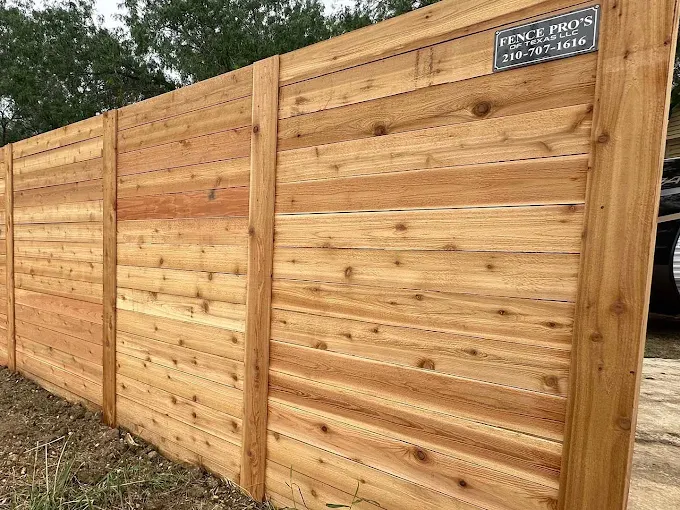
Fence Staining Color Trends for a Bold Backyard
If your Plano backyard feels a little “stuck in the past,” you’re not alone. We’re seeing a lot of homeowners replacing tired, sun-faded wood fences and asking for a look that feels modern—but still blends into Texas landscaping and the real-world wear that comes with our heat. The goal isn’t just curb appeal. A good stain color can also help you keep the fence looking uniform, hide minor imperfections, and maintain the protection wood needs against moisture and UV exposure.
A quick scenario we run into often: a homeowner with a 10–15 year-old wood fence notices one section looks dull and gray while the rest is still holding color. The natural instinct is to stain everything “the same day.” The problem is that mixed aging (and sometimes mildew or weathered grain) will not take stain uniformly unless the prep and tone strategy are handled correctly.
Quick Answer
Bold backyard fence trends in North Texas are leaning toward deep, warm stains (walnut, espresso, and red-brown tones) and clean, modern neutrals (clear-to-cedar and light-to-medium browns) rather than overly orange “rust” finishes. The best choice depends on your existing exterior colors, the amount of sun your fence receives, and whether your wood is still sound.
If you’re considering a color refresh, plan for proper cleaning and surface prep first—color trends don’t matter if the stain can’t properly bond to the wood.
Why Color Matters More Than Most People Think
Stain color is basically the final layer of your fence’s protection system. On paper it’s cosmetic; in practice it affects how your fence weathers and how consistently it matches year to year.
Here’s what we commonly observe on wood fence projects around North Texas:
- Sun exposure creates “tone drift.” Boards that get full afternoon sun will lighten and gray faster, even if the fence is only a few years old.
- Moisture patterns are uneven. Posts and pickets closer to downspouts, sprinklers, or shaded gutters tend to stay darker—sometimes permanently—unless the surface is prepped evenly.
- Wood age changes how it accepts stain. Newer boards may go darker quicker, while older boards may look blotchy or dull after the same application.
That’s why “just pick a trend color” often leads to disappointment. The right approach is to match the stain color to your fence’s condition and your backyard’s lighting.
Popular Staining Color Trends for a Bold Backyard
Based on what homeowners request most (and what looks best in real yards, not just photos), these are the trends we’re seeing:
1) Deep Walnut and Espresso (Modern + High-Contrast)
These darker tones instantly sharpen the look of landscaping and outdoor furniture. If your home has light brick, stone, white trim, or modern black accents, walnut or espresso can make the fence feel intentional rather than rustic.
Contractor insight: Darker stains can make uneven weathering more noticeable if prep is skipped. When we do it right—cleaning, smoothing, and addressing mildew—deep tones look clean and consistent.
2) Warm Red-Brown Tones (Classic With a Contemporary Edge)
Think “sunset cedar” or richer red-brown shades—less orange than older trend finishes, more refined than a basic natural cedar look.
Where it works best: Homes with warm roof tones, wood pergolas, or brown/bronze metal accents.
3) Cedar-Inspired Neutrals (Bold Without Being Dark)
For homeowners who want a modern look but don’t want a heavy dark fence, cedar-inspired neutrals are trending. They keep the fence from becoming a visual wall while still reading as styled, not faded.
Good fit for: Yards with lots of greenery and lighter exterior palettes.
4) Clear-to-Brown “Natural” Looks (Only If the Fence Is in Great Shape)
These finishes can be beautiful, but they’re less forgiving. If your fence already has graying, staining over it without addressing the surface can lead to patchiness.
Our rule of thumb: If the wood is still structurally solid and the surface is evenly prepped, natural tones look amazing. If not, you’ll fight blotching.
Quick Project Example: The “Half-Dull” Fence Refresh
A few years ago, we helped a Plano homeowner with a fence that looked great along one side of the yard and noticeably dull on another. The dull section had more sun exposure and had developed a gray cast from weathering. Instead of applying the same stain immediately across the entire run, we focused on:
- thorough cleaning to remove surface oxidation and mildew,
- sanding where needed for a more uniform profile,
- then applying stain in a way that matched the sheen and tone across boards.
The result wasn’t just “darker.” It was more uniform, and the fence read as one cohesive feature instead of two different fences.
What Property Owners Often Overlook
Color trends are fun, but the biggest differences in outcome usually come from prep and structure—not the shade name.
Common mistake property owners make
Staining over dirty, weathered, or uneven wood without proper cleaning and surface leveling.
In North Texas, wood fences often develop a mix of:
- sun-oxidized grain,
- surface mildew in shaded areas,
- raised fibers from prior weathering.
When stain is applied over that, the finish can look “spotty” or overly dark in some places and washed out in others. Sometimes it even peels sooner than expected because the stain didn’t properly penetrate and bond.
Signs Your Fence Needs Repair Before You Stain
Before you choose walnut, cedar, or espresso, check whether staining is even the right fix. Stain won’t correct structural issues.
Look for:
- posts that lean or have visible movement,
- pickets with rot at the bottom or near fasteners,
- gaps widening between rails,
- loose boards that flex when touched,
- areas that look darker because moisture is trapped.
If you see these, repair or section replacement may need to come first. For homeowners who are unsure whether they should repair or replace, our team can help evaluate the fence run and recommend the most durable path forward—especially for wood that’s starting to show deeper wear.
If you’re also thinking about other perimeter upgrades, you might review options for residential fencing solutions to match your privacy goals and maintenance preferences.
Why Some Fence Systems Fail Early (And Why Stain Can’t Fix It)
Wood fences fail early when the foundation is wrong—especially in soil that shifts or drains poorly. In North Texas, we see a lot of yards where drainage isn’t consistent, and that impacts the fence from the ground up.
The most common technical causes we troubleshoot:
- posts set too shallow, leading to movement during seasonal shifts,
- lack of proper drainage around posts, trapping moisture at the base,
- missing or damaged bottom rails, allowing water to sit on the wood,
- inconsistent spacing and rail alignment, which increases stress on boards.
Staining helps protect the surface, but it can’t overcome rot caused by persistent moisture or wobble caused by inadequate post support.
Our Experience Installing Fences in Texas Conditions
In Plano and surrounding North Texas communities, fences often live through:
- intense sun and heat cycles,
- occasional heavy rain followed by dry spells,
- mowing and landscaping contact,
- sprinkler overspray that keeps certain sections damp.
One firsthand observation from our installers: the “most shaded” fence side doesn’t always stay healthiest. It can develop mildew because it dries slower, even if it isn’t getting as much UV. That’s why we treat both the sun-exposed and shaded sections as part of one prep plan—otherwise the final color can end up uneven.
If you’re planning more than staining—like upgrading security or improving privacy—material choice matters too. Some homeowners choose mixed upgrades for a reason, especially around gates and high-traffic areas.
Mistakes That Reduce Fence Lifespan
Here are the mistakes we most often see during maintenance calls and fence refreshes:
- Skipping cleaning and prep because “the color is what matters.”
- Applying stain in direct hot sun that dries too fast, reducing penetration.
- Using the wrong product for your fence’s current condition (especially over older finishes).
- Staining over peeling paint or failing finish without addressing adhesion issues.
- Ignoring fasteners and hardware—rust or loose components can compromise the wood around them.
- Not matching stain sheen between sections, leading to visible differences even if the color looks right.
If you’re dealing with a fence that’s aged unevenly, it can help to plan around repair first. We also handle staining contractor services when homeowners want a consistent, long-lasting finish rather than a patchwork look.
Fence Maintenance Checklist (Before and After Staining)
Use this as a practical plan to keep your fence looking bold and protected through the seasons.
Before staining
- Inspect boards for rot, cracks, and loose pickets.
- Check post stability (wiggle test—any movement is a repair flag).
- Remove mildew and surface oxidation with appropriate cleaning.
- Sand rough spots or raised grain for better stain absorption.
- Confirm your stain can bond to the current surface (spot test if needed).
- Plan weather: avoid heavy rain windows and choose a drying-friendly day.
After staining
- Keep sprinklers from hitting the fence directly.
- Do a visual check after the first rain—look for water beading vs. soaking.
- Re-check fasteners and rails for loosening.
- Touch up small areas instead of waiting for full re-staining.
- Plan a follow-up maintenance cycle based on sun exposure (more sun = more frequent attention).
Wood vs Metal Fencing (How Color Trends Change by Material)
If you’re considering a bigger backyard refresh, it helps to understand how staining trends translate across materials.
| Material | Can You “Stain” for Color? | Best for | What to watch in North Texas |
|---|---|---|---|
| Wood fences | Yes (stain) | Rich, warm curb appeal | Sun fading, moisture at bases, mildew |
| Wrought iron | No (powder coat/paint) | Security + classic look | Rust if coating is damaged |
| Aluminum fences | No (powder coat) | Low maintenance | Heat and impact damage to coatings |
| Vinyl fences | No (factory color) | Color stability | Dirt buildup; panel damage from impacts |
If your goal is a bold look with lower maintenance, some homeowners pair wood privacy runs with metal or aluminum elements at gates and entrances. That blend can be especially effective for security-focused areas.
For homeowners thinking about stronger perimeter definition, explore railing and fence-adjacent upgrades that often complement modern stain colors.
Plano or North Texas Relevance: Why Stain Choices Look Different Here
North Texas yards are rarely “average lighting.” We deal with:
- strong sun angles that hit certain fence lines harder than others,
- sudden storm rain that can leave sections wet for longer,
- seasonal landscaping changes that alter shade patterns.
That’s why a walnut stain that looks perfect in a shaded photo can read darker—or uneven—on a fully sun-exposed run in your yard. When we help homeowners plan color, we consider where the fence sits in relation to the house, trees, and typical water flow.
If your fence is tied to access and safety, gate planning becomes part of the same curb appeal strategy—especially when gates are visible from the street.
Recommendation: Plan Your Stain Color Around Your Gate and Hardware
A bold fence color can look “off” if the gate hardware doesn’t match the vibe. We often recommend choosing a stain color first, then aligning the gate approach around it—whether you’re keeping an existing gate or upgrading to something new.
For example:
- Dark walnut fences often pair best with matte black or bronze gate hardware.
- Cedar neutrals can look more natural with lighter accents and fewer high-contrast elements.
- If privacy is a priority, gate alignment and latch placement matter as much as color.
If you’re considering a gate upgrade, it may help to review residential gates so your backyard entrance matches the fence style and operates smoothly for everyday use.
Ready to Improve Your Property’s Security and Appearance?
A bold backyard starts with choosing a color you’ll love, but the lasting results come from the details: prep, repairs, and a stain plan that matches how your fence actually weathers in North Texas.
If you want a more consistent look—especially if your fence has aged unevenly—our team can evaluate the condition of your wood and recommend the best color direction for a finish that holds up.
About Fence Pros of Texas
Fence Pros of Texas provides residential fencing, commercial fencing, automatic gates, access control systems, railings, staining, and custom fence installations throughout Plano, TX and surrounding North Texas communities. The company focuses on durable craftsmanship, long-term property security, curb appeal, and helping homeowners and businesses improve privacy and protection through professional fencing and gate solutions.