
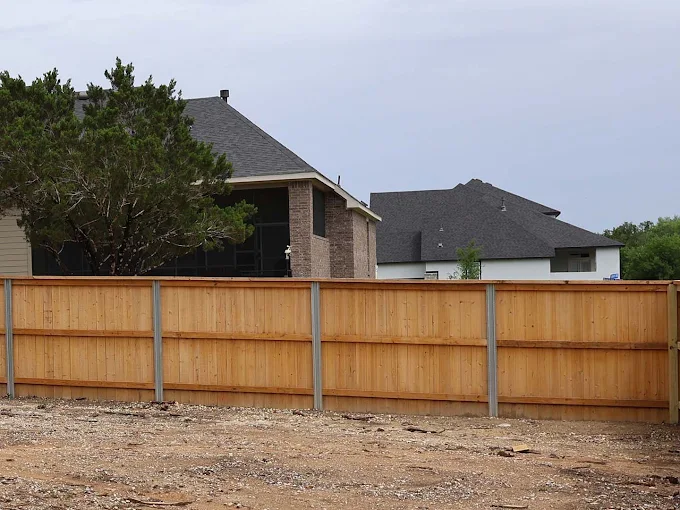
Fence Staining Tips for Long-Lasting Beauty
North Texas sun can be brutal. If you’ve lived in Plano for more than a summer or two, you’ve seen it: a once-rich cedar fence turns gray, cracked, and warped in just a few years. Between UV rays, sudden storms, and our clay soil that holds moisture, an unstained fence around here is on borrowed time.
Studies from wood product associations show that properly stained and maintained wood can last 2–3 times longer than untreated lumber. In DFW, where replacement costs for a full backyard fence often run into the thousands, that’s not just cosmetic—it’s real money.
This guide walks you through practical, field-tested fence staining tips that Fence Pros of Texas uses every day across Plano and the surrounding communities. You’ll learn how to choose the right stain, prep your fence like a pro, apply stain for maximum protection, and maintain that rich, long-lasting finish—whether it’s around your home, business, or acreage.
Key Insight: The beauty and lifespan of your fence in Plano depend far more on preparation, stain quality, and timing than on the fence itself. Do those three things right, and your fence can stay strong and attractive for years longer.
Understanding How Texas Weather Affects Your Fence
Plano doesn’t have a gentle climate. We get intense UV exposure, high summer temps, sudden downpours, and winter swings that cause wood to expand and contract. All of this directly affects how your stain performs and how often you need to reapply it.
UV rays break down the lignin in wood, which leads to fading, graying, and surface erosion. When the surface fibers weaken, moisture penetrates more easily, leading to warping, cupping, and splitting—especially on taller Wood Fences. Add in sprinklers hitting the same section of fence every day or a shady side that never fully dries, and you have the perfect recipe for premature failure.
A recent project we completed in a Plano subdivision is a good example. Two neighbors had the same style fence installed within months of each other. One stained within the first year and followed a basic maintenance schedule. The other left the fence untreated. After five years, the stained fence still had strong color and only minor wear. The untreated fence had widespread rot at the base and required partial replacement.
“In North Texas, sun and water damage aren’t ‘if’ problems—they’re ‘when’ problems. Stain is your first line of defense.” — Fence Pros of Texas Team
Understanding this helps you:
- Choose stain with strong UV protection
- Time your staining around weather patterns
- Decide how often to re-stain different fence types, from Residential Fence Installation to larger ranch and farm fencing projects
CALLOUT: If your fence faces full south or west sun in Plano, expect to stain more frequently than a shaded, north-facing fence—even if they were installed the same day.
Choosing the Right Stain: Oil vs. Water-Based, Color, and Coverage
Not all stains are created equal, and the right choice can easily add several years to the life of your fence. For Plano homeowners and businesses, the conversation usually starts with oil-based vs. water-based stain.
Oil-based stains:
- Penetrate deeper into the wood
- Tend to offer richer color and better water repellency
- Often provide excellent protection for new Privacy Fence Installation and decorative Wood Fences
Water-based stains:
- Dry faster and have lower odor
- Are easier to clean up
- Can be more environmentally friendly and compliant with stricter VOC regulations
For Plano’s climate, we often recommend premium oil-based penetrating stains for cedar and pine fences, especially in open areas without much shade. On one commercial project near Legacy West, a large Commercial Fence Installation used a high-quality oil-based stain. Despite full sun exposure in a parking lot, the fence still looks sharp after multiple Texas summers.
You’ll also want to consider stain opacity:
| Stain Type | Appearance | Protection Level | Typical Recoat Cycle (Plano) |
|---|---|---|---|
| Transparent | Shows full grain, light tint | Lowest | 1–2 years |
| Semi-Transparent | Shows grain, richer color | Medium-High | 2–4 years |
| Semi-Solid/Solid | Strong color, hides more grain | Highest | 3–5 years |
Color matters too. Darker stains generally offer better UV resistance but can show fading more clearly. Lighter tones stay cooler in the sun and can make smaller yards feel bigger. Around Plano, we often see warm cedar tones, medium browns, and neutral grays that pair well with both brick homes and modern Mixed Material Fences.
Proper Prep: The Step Most Homeowners Rush (But Shouldn’t)
The most expensive stain on the market won’t save a poorly prepped fence. Preparation is where professional-grade results are won or lost. In Plano’s dusty, pollen-heavy environment, skipping prep means your stain is bonding to dirt—not wood.
Here’s the basic prep checklist we use before any staining project:
- Inspect for damage: Replace rotten boards, secure loose pickets, and check posts—especially on older Fence Repair jobs.
- Clean thoroughly: Use a wood cleaner or mild detergent and a low-pressure wash to remove mildew, pollen, and old loose stain.
- Neutralize (if needed): If you use a strong cleaner or brightener, neutralize and rinse thoroughly.
- Allow proper dry time: In Plano, that usually means 24–48 hours of dry weather before staining.
We worked with a homeowner near Oak Point Park who had DIY-stained part of their fence without cleaning it first. Within a year, the stain started peeling and flaking—especially on shaded sections where mildew had been present. The rest of the fence, which we cleaned and prepped correctly before re-staining, has held up beautifully.
“The surface you stain today is the finish you’ll live with for years. A few extra hours of prep can save you thousands later.” — Fence Pros of Texas Team
Pay special attention to:
- Fence bottoms where soil and mulch touch wood
- Areas hit regularly by sprinklers
- North-facing sections prone to mildew
CALLOUT: If your fence is new, don’t rush to stain it the week after installation. Most new Wood Fence Installation projects need 4–8 weeks to dry out before stain will penetrate properly.
Application Techniques: Brushing, Spraying, and Professional Tools
Once your fence is clean and dry, application technique becomes the next big factor in how your stain performs and looks. While many Plano homeowners rent a sprayer for the weekend, the best results usually come from a combination of spraying and back-brushing.
Common methods:
- Brush and roller: Great control, especially for gates, trim, and detailed or decorative Decorative Fence Installation. Slower but very precise.
- Airless sprayer: Fast coverage for long fence lines, ideal for larger residential yards and Commercial Fence Installation sites. Requires skill to avoid overspray.
- Spray + back-brush: The professional standard. Spray to apply, then brush to work the stain into the wood and even out coverage.
On a recent Plano project surrounding a pool—where safety and appearance both mattered—we used a spray-and-back-brush method on a combination of Pool Fence Installation and privacy sections. This ensured the stain was fully worked into all surfaces, including edges and cut ends that often get missed. The result was a uniform finish that still looks great despite constant sun and moisture.
Key application tips:
- Work in manageable sections (2–3 panels at a time)
- Keep a wet edge to avoid lap marks
- Apply in thin, even coats—don’t flood the surface
- Follow manufacturer’s temperature guidelines (usually between 50°F and 90°F)
Plano’s wind can also be a major factor. A breezy afternoon can send overspray onto cars, windows, and neighbors’ yards. Professionals use shields, tarps, and controlled spraying techniques to avoid this.
Timing, Seasons, and Maintenance Schedules in Plano
Even the best stain needs the right timing. In Plano, you’re working around heat, humidity, and sudden storms. Picking the right season and sticking to a maintenance schedule can easily double your fence’s usable life.
Best times to stain in North Texas:
- Early spring: Before the worst heat, when temps are moderate and humidity is manageable
- Fall: After peak summer sun, with more stable weather and less intense UV
Mid-summer staining can work if you start early in the morning and avoid direct midday sun, but stain that dries too fast on hot boards may not penetrate as deeply. That’s especially true on south- and west-facing Privacy Fence Installation projects that bake in the afternoon.
We maintain many Plano HOA perimeter fences on a set cycle—often every 3–4 years with semi-transparent stain. By scheduling in predictable windows (often spring and fall), they keep a consistent appearance across long runs of Security Fence Installation and avoid the patchwork look that comes from waiting until sections are visibly failing.
Suggested maintenance intervals (Plano climate):
- Transparent stain: inspect yearly, recoat every 1–2 years
- Semi-transparent: inspect every 1–2 years, recoat every 2–4 years
- Solid stain: inspect every 2 years, recoat every 3–5 years
“Don’t wait until your fence looks bad to maintain it. Re-staining while it still looks ‘pretty good’ is what keeps it that way.” — Fence Pros of Texas Team
CALLOUT: A quick water test can help. Sprinkle water on the fence—if it beads up, your stain still has life. If it soaks in quickly and darkens the wood, it’s time to plan your next staining.
Special Considerations: Different Fence Types, Gates, and Mixed Materials
Not every fence on your property will be wood, and not every wood surface should be treated the same way. Many Plano properties combine multiple fence types—like Wrought Iron Fences with wood privacy panels, or Corrugated Metal Fences with cedar framing. Each has its own maintenance profile.
For example:
- Wood privacy fences: Benefit most from penetrating stains and regular maintenance
- Metal and Vinyl Fences: Typically don’t need staining but do need cleaning and occasional inspection for rust or damage
- Residential Gates and Commercial Gates: Often combine wood and metal; both materials need compatible products
We recently completed an estate project north of Plano that featured estate gates with wood insets, flanked by Wrought Iron Fences. The wood panels received a UV-resistant stain, while the iron was cleaned and coated with a rust-inhibiting finish. Coordinating colors across both materials kept the property’s entrance cohesive and low-maintenance.
Here’s a simplified comparison of how different materials are typically handled:
| Material Type | Stain Needed? | Typical Care in Plano |
|---|---|---|
| Cedar/Pine Wood Fences | Yes | Clean + stain every 2–4 years |
| Vinyl or PVC Fences | No | Wash annually, inspect for cracks |
| Ornamental/Wrought Iron | No stain | Rust inspection, touch-up paint |
| Corrugated Metal with Wood | Wood only | Stain wood; clean metal |
| Glass or Mixed Material Fences | Sometimes (wood only) | Clean glass/metal, stain wood |
Professional Staining vs. DIY: Cost, Quality, and Long-Term Value
Many Plano homeowners are handy and capable of a DIY stain job. The question is less “Can you?” and more “Is it worth it?” especially if you’re protecting a large investment like a new Residential Fence Installation or a perimeter Commercial Fence Installation.
Typical DIY costs include:
- Stain and supplies (brushes, rollers, sprayer rental)
- Cleaners and brighteners
- Protective gear and masking materials
- Your time—often a full weekend or more for an average Plano backyard
Professional staining services, like our dedicated staining team, bring:
- Commercial-grade stains and sealers
- Professional prep equipment (low-pressure washers, cleaners)
- Experience with local conditions and fence types
- Faster turnaround and more consistent results
A Plano client with a corner-lot home originally planned to DIY stain their new fence. After pricing stain, rental equipment, and lost weekend time, they compared it to our quote. The cost difference was smaller than expected, and the professional finish, along with a clear maintenance plan, gave them confidence their investment was protected.
“The cheapest option is rarely the one that lasts the longest. A well-stained fence can delay full replacement by many years.” — Fence Pros of Texas Team
CALLOUT: If your fence is already showing signs of serious wear—splitting boards, leaning posts, widespread mildew—talk to a pro first. You may need a combination of Fence Repair, replacement sections, and staining to get the most from what you already have.
What This Means for Businesses in Plano, TX
For Plano businesses, property managers, and HOAs, fence staining isn’t just about looks—it’s about asset management, brand image, and safety. A faded, splintering fence around a retail center, school, or office complex sends a message, and not the one you want.
Well-maintained fences:
- Reinforce your brand’s professionalism
- Support security by keeping perimeter barriers strong
- Reduce long-term capital expenses by extending fence life
We work with Plano-area businesses that manage everything from small storefronts to large industrial sites. For a logistics facility off 75, for example, we combined Security Fence Installation with a strategic staining and maintenance plan. Regular inspections and scheduled re-staining have kept their perimeter strong, reducing the need for premature Fence Replacement.
For multi-family properties and HOAs, consistent appearance is a top concern. Staggered, piecemeal staining by different owners can lead to mismatched colors and patchy results. A coordinated plan—using one stain system, color, and schedule—keeps entire communities looking sharp and well cared for.
Plano’s competitive commercial environment makes curb appeal more important than ever. Whether you’re using classic wood, integrating Metal Fence Installation elements, or framing Glass Fences and modern entries, a professional staining strategy protects your investment and presents your business at its best.
Frequently Asked Questions
Q: How soon after my new fence is installed in Plano should I stain it?
A: Most new wood fences in our area need 4–8 weeks to dry before staining. Plano’s heat and wind can dry out lumber faster than in other parts of the country, but it still depends on the wood type and weather. You want the wood dry enough to absorb stain, but not so weathered that it’s already graying or cracking. A simple test: sprinkle a bit of water on the wood. If it soaks in within a few minutes instead of beading up, it’s usually ready. For new Wood Fence Installation projects, we often schedule staining 1–3 months after the fence goes up.
Q: Do all fence types around my property need staining, or just the wood?
A: Only the wood components need stain. Materials like vinyl, ornamental metal, and glass don’t absorb stain and are usually maintained by cleaning and occasional repairs. Many Plano properties use combinations—wood privacy sections with Aluminum Fences or Chain Link Fences in less visible areas. In those cases, we focus stain on the wood while making sure cleaning and rust prevention are handled on metal sections. If you have Residential Gates or Commercial Gates that mix materials, we’ll recommend compatible products for each surface.
Q: How often should I re-stain my fence in Plano’s climate?
A: Frequency depends on stain type, color, and exposure. Transparent stains might need re-coating every 1–2 years; semi-transparent every 2–4; and solid stains can last 3–5 years. Fences in full sun or facing south/west often need attention sooner than shaded sections. Plano’s UV levels and temperature swings are hard on finishes, so we recommend inspecting annually—especially for Privacy Fence Installation and Garden Fence Installation projects where appearance is key. Look for fading, water soaking in quickly, or dull, dry-looking boards as signs it’s time.
Q: Can I stain over an old stain, or do I need to strip it first?
A: It depends on the condition and type of the existing stain. If the old finish is peeling, flaking, or extremely uneven, stripping or aggressive cleaning is often necessary for a quality result. If it’s just faded but still bonded well, we can usually clean thoroughly and apply a compatible stain on top. Switching from a transparent to semi-transparent product is usually fine; going from solid to transparent rarely works. For older Plano fences that have been stained multiple times, we’ll typically evaluate on-site and may recommend partial Fence Repair or replacement before staining again.
Q: What if my fence already has mildew or green growth on it?
A: Mildew and algae are common in shaded or sprinkler-hit sections, especially on the north side of Plano homes. Staining over them will trap the growth and lead to premature failure. We use specialized cleaners to kill and remove mildew before any stain goes on. After cleaning, the fence must dry thoroughly—usually 24–48 hours of good weather. In some cases, especially on older Fence Maintenance projects, we may also recommend trimming back vegetation or adjusting sprinklers to keep the fence drier going forward.
Q: Is professional staining worth it if I plan to replace my fence in a few years anyway?
A: Often, yes—especially if your fence is still structurally sound. A quality stain job can help you safely extend that “few years” and avoid early Fence Replacement. For homeowners planning to sell, a freshly stained fence adds curb appeal and reassures buyers about overall property care. For commercial and rental properties, a professional finish supports your brand and can reduce ongoing repair costs. We can also advise whether your fence is a good candidate for restoration or whether your money is better spent on a new Residential Fence Installation or Commercial Fence Installation.
Q: Will staining my fence help with security or is it just for looks?
A: While stain itself doesn’t “harden” your fence, it absolutely helps maintain its structural integrity. A rotted, weakened fence is far easier to breach than a solid, well-maintained one. For businesses and properties relying on Security Fence Installation, staining is part of a larger protection plan that includes good hardware, proper post setting, and in some cases access control systems. Keeping wood strong, dry, and less prone to rot supports your overall security strategy.
Ready to Get Started?
Plano’s weather won’t wait, and neither should your fence. Every season your fence goes unstained—or under-maintained—UV rays and moisture are quietly shortening its life. Whether you’ve just had a beautiful new fence installed or you’re trying to rescue one that’s starting to show its age, a thoughtful staining plan is one of the smartest investments you can make in your property.
Fence Pros of Texas offers complete staining services, from inspection and prep to application and long-term maintenance planning. We work on everything from single-family homes to HOAs, retail centers, and large commercial facilities, and we understand the specific demands of North Texas weather.
If you’re not sure whether your fence needs a simple refresh, partial Fence Repair, or a full replacement followed by staining, we’re happy to take a look and give you honest recommendations.
Protect your fence, protect your investment, and keep your property looking its best—season after season.
About Fence Pros of Texas
Fence Pros of Texas is a locally focused fencing contractor serving Plano and the greater North Texas area. Our team designs, installs, and maintains a full range of fencing solutions, from residential privacy and decorative fences to large-scale commercial and farm fencing projects. With years of experience in Texas soil and Texas weather, we understand how to build and protect fences that last. Learn more about our services and commitment to quality at our website.