
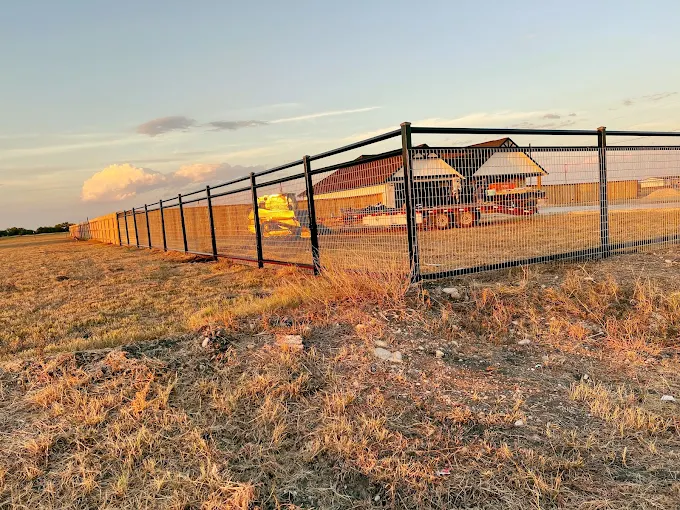
Factors to Consider for Commercial Fencing
Commercial properties in Plano and the greater North Texas area are under more pressure than ever to balance security, appearance, and budget. Retail centers along Preston Road, industrial sites near US-75, schools, offices, and HOAs all need to protect people and property—without turning their space into a fortress. The right fence can reduce liability, deter theft, guide traffic, and even boost your brand image. The wrong fence can create maintenance headaches, code issues, and unexpected costs.
According to industry data, well-designed perimeter security can reduce unauthorized access incidents by up to 30–40%, and properties with defined boundaries see fewer vandalism and theft claims. For growing commercial areas like Plano, that’s not just a nice-to-have—it’s part of doing business smart.
This guide walks you through the key factors to consider before you invest in commercial fencing: security level, aesthetics, materials, local codes, long-term costs, and integration with gates and access control. You’ll see real-world examples from North Texas properties and get practical ideas you can apply to your own site.
Key Insight: The best commercial fence isn’t just strong—it’s thoughtfully matched to your property’s risks, image, and long-term operating budget.
1. Security, Risk, and How Your Fence Actually Performs
Before you think about style or color, you need clarity on what you’re protecting and from whom. A distribution warehouse off the President George Bush Turnpike has very different risks than a medical office near Legacy West.
Security fencing spans a wide spectrum:
- Basic boundary control and “keep honest people honest” deterrence
- Moderate protection against casual trespassers or after-hours foot traffic
- High-security perimeters designed to deter cutting, climbing, and ramming
A light decorative fence around a Plano office park might be enough to discourage shortcut foot traffic, but it won’t stop copper theft at a construction yard. That’s where Security Fence Installation using steel or Metal Fence Installation comes in, often with taller heights, anti-climb design, and controlled entry points.
Real example:
A small manufacturing shop in Plano’s industrial corridor was experiencing break-ins through an open lot at the back of their property. They originally had an old 4-foot boundary fence that was easy to step over. Upgrading to an 8-foot commercial Chain Link Fence Installation with privacy slats and a controlled gate reduced after-hours incidents to zero over the next 18 months.
“Security is rarely about a single product. It’s about a layered approach—fence, gates, lighting, and access control working together.” — Security Consultant, North Texas
When you assess risk, consider:
- What’s the value of the assets on-site?
- How close are you to major roads or hidden access points?
- Do you have frequent deliveries or shift changes at night?
- Are you near schools or residential areas with foot traffic?
CALLOUT: A fence that’s too weak for your risk profile is wasted money. A fence that’s overbuilt for a low-risk site drains your budget. The right security level is a balance, not a guess.
2. Matching Materials to Use, Image, and Maintenance
Once you understand your security needs, the next factor is material. Each fencing material offers a different mix of durability, appearance, and ongoing maintenance—which matters in Plano’s hot summers, storms, and occasional freeze events.
Here’s how common materials stack up for commercial properties:
| Material | Strength & Security | Appearance | Maintenance in Plano Climate | Typical Commercial Use Cases |
|---|---|---|---|---|
| Chain Link Fences | Moderate–High | Utilitarian | Low–Moderate | Warehouses, utilities, storage yards |
| Wrought Iron Fences | High | Classic, upscale | Moderate | Offices, churches, HOAs, historic properties |
| Aluminum Fences | Moderate–High | Clean, modern | Low | Office parks, pools, mixed-use developments |
| Vinyl Fences | Moderate | Clean, private | Low | Medical offices, daycare, service yards |
| Wood Fences | Moderate | Warm, natural | Moderate–High | Restaurants, boutique offices, outdoor amenity spaces |
| Corrugated Metal Fences | High | Industrial/modern | Low–Moderate | Breweries, urban infill, creative office spaces |
| Mixed Material Fences | Varies | Highly custom | Varies | Branding-focused properties, retail, hospitality |
| Glass Fences | Low–Moderate | Premium, open | Moderate | Rooftop amenities, pool decks, executive terraces |
In Plano, sun exposure and soil movement are major factors. Wood can look beautiful around restaurants or courtyards, but it needs protection. Professional Fence Maintenance and staining services dramatically extend the life of a wood fence, especially when it’s part of your public-facing image.
Example:
A Plano café near downtown wanted a warm, inviting patio fence. They chose a horizontal Wood Fence Installation with metal posts for strength. By adding a regular staining schedule, they preserved the rich color and avoided the gray, weathered look that can turn customers away.
On the other hand, a tech office near Legacy West opted for an Aluminum Fence Installation around their employee courtyard. It delivered a clean, modern look with minimal maintenance—ideal for a busy facilities team.
3. Privacy, Aesthetics, and How Your Fence Reflects Your Brand
Your fence is often the first thing customers, tenants, or partners see when they arrive. In a city like Plano, where Class A office space and upscale retail compete for attention, curb appeal isn’t just for homes—it matters for commercial properties too.
You may need:
- High privacy for sensitive operations or storage
- Partial screening to hide dumpsters or service yards
- Open visibility for retail, showrooms, or welcoming public spaces
A medical office or counseling center might prioritize privacy with a taller Privacy Fence Installation, while a car dealership needs clear sightlines from the road.
Real example:
A fitness center off Coit Road had an outdoor training area that felt exposed to the street. They installed a mixed-material fence: lower masonry walls with a sleek Wrought Iron Fence Installation above. This kept the space secure while maintaining an upscale, open feel. Members felt more comfortable, and the center reported increased use of the outdoor area.
“Your fence should reflect the experience you want people to have before they even walk in the door.” — Design Consultant, DFW
Aesthetics matter even more when you share boundaries with residential neighborhoods. HOAs and city planners in Plano often push for designs that blend with nearby homes:
- Decorative Decorative Fence Installation instead of plain chain link along street frontages
- Neutral colors and materials that complement local architecture
- Integrated railings and gates that tie into the building’s design
4. Compliance, Codes, and Safety Requirements in Plano
Even a beautiful, secure fence can cause problems if it doesn’t meet local codes or industry standards. Commercial properties in Plano must consider:
- City zoning and fencing height limits
- Setbacks from sidewalks and rights-of-way
- Sightline requirements at driveways and intersections
- Pool and water feature safety codes
- ADA accessibility around gates and entry points
For example, commercial pools—at apartments, hotels, or fitness centers—must meet strict barriers standards. A compliant Pool Fence Installation typically includes:
- Minimum height requirements
- Self-closing, self-latching gates
- No large gaps or climbable elements
Example:
A Plano apartment community renovated their pool area and installed a new Access Control gate system. Their original design used wide horizontal elements that kids could climb. Working with a professional fencing team, they reconfigured the design to meet current safety codes and avoid potential liability, while still keeping a stylish look.
Safety also extends beyond pools. Garden centers, restaurants with patios, and office courtyards may use Garden Fence Installation or railings to separate pedestrian areas from parking or drive lanes. Those barriers have to be sturdy enough to guide traffic and protect people, but not so bulky that they create hazards of their own.
CALLOUT: Code issues don’t just delay projects—they can force expensive rework. Partnering with a contractor familiar with Plano’s permitting, inspections, and HOA expectations can save months of headaches.
Finally, consider internal safety standards. Many corporate campuses or industrial sites follow OSHA guidelines or internal security protocols that dictate fence height, gate controls, and emergency egress. Clear conversations between your facilities team, risk management, and your fencing contractor are crucial.
5. Gates, Access Control, and Traffic Flow
A fence is only as effective as its gates. For commercial properties, gate planning is often where projects succeed or fail. Plano’s busy business parks and retail centers deal with delivery trucks, employee vehicles, customers, and service providers—all with different access needs and schedules.
Types of commercial gates include:
- Sliding or cantilever Commercial Fence Installation gates for truck yards and loading docks
- Swing gates for smaller driveways or controlled parking lots
- Pedestrian gates with keypads, card readers, or intercoms
- Decorative estate gates for office campuses or private drives
Layering in Access Control—such as keypad entry, RFID cards, or remote management—helps you:
- Track who enters and exits
- Limit access to certain times or user groups
- Respond quickly if keys or cards are lost
- Integrate with cameras and security systems
Real example:
A logistics company near Plano’s industrial district struggled with unauthorized after-hours access. They had a strong perimeter fence but a manual gate that was often left open. Upgrading to an automated Commercial Fence Installation gate with access control and a schedule tied to shift times tightened security and reduced guard costs.
“Most security breaches happen at access points, not through the fence itself.” — Regional Security Manager
Thoughtful design also considers:
- Separate lanes for trucks and passenger vehicles
- Emergency vehicle access and clear signage
- Visitor entry points vs. employee-only entrances
- Integration with any existing Residential Fence Installation or mixed-use access systems
6. Life-Cycle Cost, Repairs, and Planning for the Long Term
Initial price is only one piece of the puzzle. Smart commercial property owners in Plano look at total cost of ownership over 10–20 years. Between sun, storms, and heavy use, your fence will need care. The key is to choose materials and designs that keep that care manageable and predictable.
Here’s a simplified comparison:
| Approach | Upfront Cost (Relative) | Expected Lifespan | Typical Maintenance Needs | Best For |
|---|---|---|---|---|
| Basic chain link, no upgrades | Low | 15–20 years | Occasional Fence Repair | Low-risk, hidden areas, temporary sites |
| Powder-coated aluminum or steel | Medium | 20–25+ years | Minimal cleaning, rare Fence Replacement | High-visibility, low-maintenance priorities |
| Wood without staining | Low–Medium | 8–12 years | Frequent Fence Maintenance, repairs | Budget-sensitive, non-critical appearances |
| Wood with professional staining | Medium | 12–15+ years | Scheduled staining, minor repairs | Restaurants, offices, and spaces where warmth matters |
Example:
A Plano retail center chose untreated wood fencing to hide their dumpsters, thinking they’d “upgrade later.” Within five years, the fence had warped, grayed, and leaned, and tenants complained. They ended up paying for a full Fence Replacement plus haul-off—more than if they had invested in better materials and staining from the start.
On the flip side, an office complex off Park Boulevard invested in powder-coated Aluminum Fence Installation and scheduled annual inspections. After a decade, they’ve only needed spot Fence Repair after storms and occasional vehicle bumps. Their long-term cost per year is significantly lower.
CALLOUT: Plan for minor damage. In commercial environments, vehicles will bump posts, storms will drop branches, and wear and tear is inevitable. Choosing a fence system that’s easy to repair in sections can save you from full replacements.
Think through:
- Availability of matching replacement panels or parts
- How easily sections can be removed and reinstalled
- Whether your contractor offers ongoing maintenance programs
- Insurance considerations for damage and liability
A well-planned fence is an asset, not a recurring emergency expense.
What This Means for Businesses in Plano, TX
Plano’s business environment is competitive and fast-moving. From legacy corporate campuses to new mixed-use developments, properties are expected to be secure, attractive, and easy to access. Your fencing strategy plays a quiet but powerful role in that equation.
For Plano businesses, the key takeaways are:
- Security must match your risk. Proximity to highways, industrial areas, or dense residential neighborhoods changes your risk profile. A warehouse near US-75 may need more robust Commercial Fence Installation than a small office tucked into a professional park.
- Appearance affects your brand. In areas like Legacy West, Granite Park, or the Shops at Willow Bend, an outdated or failing fence can undercut the premium experience you’re trying to deliver.
- Local conditions matter. North Texas soil movement, UV exposure, and storm patterns are different from other regions. Solutions that work in milder climates may not hold up here without extra reinforcement or maintenance.
- Regulations can’t be an afterthought. Plano’s growth has brought more attention to zoning, safety, and neighborhood compatibility. An experienced local contractor helps you navigate these requirements efficiently.
Ultimately, commercial fencing in Plano is about balancing security, aesthetics, and budget over time. When you treat your fence as part of your property’s infrastructure—just like lighting, landscaping, or parking—you make better decisions that support your operations for years to come.
Frequently Asked Questions
Q: How tall should my commercial fence be for proper security in Plano?
A: Fence height depends on your risk level and zoning rules. For basic boundary control at an office park, 6 feet is often sufficient. Higher-risk sites—like storage yards or industrial lots—may opt for 8 feet or more, using Metal Fence Installation or heavy-duty Chain Link Fence Installation. Plano’s codes and any HOA or business park guidelines may set maximum heights, especially along street frontages. It’s wise to have a site visit where a professional evaluates your surroundings, access points, and neighboring properties, then recommends a height that balances security, visibility, and compliance.
Q: Is chain link acceptable for commercial properties, or does it look too industrial?
A: Chain link has a reputation for being purely utilitarian, but modern options can be both secure and relatively attractive. For back-of-house areas, storage yards, or utility enclosures, Chain Link Fences with privacy slats or vinyl coating offer strong value. In prominent street-facing locations around Plano, many owners choose upgraded finishes or pair chain link at the rear with more attractive Aluminum Fences or Wrought Iron Fences at the front. It doesn’t have to be all or nothing—you can mix materials so the public areas match your brand, while service areas stay cost-effective.
Q: How can I reduce long-term maintenance costs on my commercial fence?
A: Start by choosing materials suited to Plano’s climate. Powder-coated metal, quality Vinyl Fences, and properly treated Wood Fences tend to perform better over time. If you prefer wood for warmth and privacy, schedule professional Fence Maintenance every few years to protect against UV and moisture. Design also matters—fences with easily replaceable panels and standardized components simplify Fence Repair. Regular inspections, especially after storms, catch minor issues before they become structural failures, saving you from premature Fence Replacement.
Q: What kind of fence is best for a commercial pool or amenity deck?
A: Pool and amenity areas must balance safety, code compliance, and aesthetics. Many Plano properties choose Aluminum Fence Installation or Wrought Iron Fence Installation for a clean, upscale look that meets pool barrier requirements. For rooftop amenities or premium spaces, glass or mixed-material railings may be appropriate. Any Pool Fence Installation should include self-closing, self-latching gates and non-climbable designs. Working with a contractor familiar with pool codes in Texas ensures your fence protects guests, satisfies inspectors, and complements your property’s design.
Q: How do I integrate gates and access control with my existing security system?
A: Modern Access Control systems can tie into card readers, keypads, intercoms, and even cloud-based management platforms. During planning, your fencing contractor should coordinate with your security vendor to ensure gate operators, locks, and wiring support your current and future needs. For example, a Plano office might combine an automated Commercial Fence Installation gate with the same badge system used on exterior doors. This gives you central management of access rights, audit trails, and the ability to quickly deactivate privileges if an employee leaves or a card is lost.
Q: Can I use residential-style fences on a commercial property?
A: Sometimes, yes—especially for smaller offices, medical practices, or mixed-use developments that want a welcoming, neighborhood feel. Residential Fence Installation styles like wood privacy or decorative picket can work well around patios, courtyards, or street-facing greenspace. However, commercial sites have heavier use and stricter safety expectations, so framing, posts, and hardware often need upgrading. Blending residential styling with commercial-grade construction gives you the best of both worlds: the look you want with the durability you need.
Q: How early in my project should I bring in a fencing contractor?
A: Ideally, as early as site planning or renovation design. Fences interact with grading, drainage, parking layouts, and landscape plans. Bringing in a contractor early helps avoid conflicts with utilities, easements, and access routes. For new builds in Plano, it’s common to coordinate fencing with paving and landscaping so everything ties together. Early collaboration also allows for more thoughtful Custom Fence Design, instead of forcing a generic fence into a nearly finished site.
Ready to Get Started?
Commercial fencing is one of those investments you only want to make once—and make right. In a growing market like Plano, where properties compete on security, appearance, and tenant experience, a well-planned fence can quietly support your business every single day.
Now is a smart time to act. Spring and fall are prime seasons for Commercial Fence Installation in North Texas, and scheduling early helps you avoid weather delays and peak-season backlogs. Whether you’re securing a new facility, upgrading an aging perimeter, or adding gates and Access Control, a site visit and consultation will give you clear options and accurate budget numbers.
Next steps are straightforward:
- Walk your property and jot down your concerns and priorities
- Gather any site plans, photos, or HOA/park guidelines
- Schedule a consultation with a local expert who understands Plano’s codes, soil, and business climate
With the right partner, you’ll end up with a fence that feels less like an expense and more like a long-term asset—protecting your people, your property, and your reputation.
About Fence Pros of Texas
Fence Pros of Texas is a locally focused fencing contractor serving Plano and the surrounding North Texas communities. Our team specializes in Commercial Fence Installation, custom gates, and access control systems, along with Residential Fence Installation and farm fencing. With years of experience in the DFW area, we understand the region’s soil, climate, and code requirements, and we stand behind our work with professional installation and ongoing support. To learn more about our services and past projects, visit our website.