
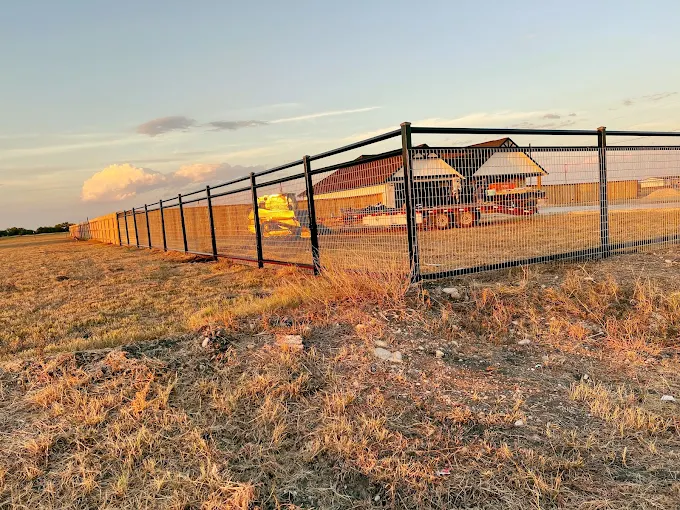
Fence Staining Timing: When to Stain for Best Results
If you’ve ever watched a fresh wood fence turn blotchy within a season, you already know staining isn’t just about color—it’s about protecting the wood from the Texas sun, moisture swings, and the way North Texas soil holds water after storms. In Plano-area neighborhoods, homeowners commonly repaint or restain a fence too late (or right after the wrong weather window), and the result is uneven absorption, peeling, or dark streaks that make the fence look “dirty” even when it’s new.
From our work around Plano and the surrounding North Texas area, staining timing is one of the biggest factors separating a fence that looks great for years from one that needs attention again sooner than expected.
Quick Answer
For best results, stain your wood fence when the wood is fully dry, the weather forecast is stable, and temperatures are moderate. In North Texas, that usually means choosing a day or stretch where:
- the fence has had several dry days (especially after rain)
- the wood moisture is low enough to accept stain evenly
- rain won’t arrive for at least 24–48 hours after application
- you avoid extreme heat mid-day when possible
If the wood is still damp, the stain can’t penetrate consistently, leading to patchiness and reduced protection.
When to Stain a Wood Fence (And Why Timing Matters)
Staining works because the finish needs two things: dry wood and time to cure. If either is off, the coating may sit on the surface instead of bonding well with the grain.
Here’s the practical approach we use when planning a stain job:
Best conditions in North Texas
In the Plano area, ideal staining conditions typically fall in late spring through early fall, when you can find a stable stretch of weather. The key is not just the calendar—it’s the moisture and temperature window.
We look for:
- Dry weather for several days before staining
- No rain for at least 24–48 hours after staining
- Mild-to-warm temperatures (not freezing, and not peak scorching afternoons)
- Wind is usually okay, but we avoid conditions that cause overspray or rapid surface drying without penetration
Freshly installed fence: how long to wait
This is where homeowners get tripped up. A newly built wood fence should generally be allowed time to acclimate before staining. The exact wait depends on:
- the wood type
- whether it was pressure-treated
- how it was installed and exposed (sun/shade)
- local humidity and rainfall patterns
As a contractor, we’ve found that many early-stain failures come from trapping moisture in the wood. Staining too soon can make the finish look good for a few weeks and then start to break down in patches.
Existing fences: stain when the wood is ready
If you’re restaining an older fence, timing is still everything. Before applying a new coat, you want:
- stable weather
- a clean surface
- good adhesion (meaning the old finish isn’t failing underneath)
If you seal over dirt, mildew, or loose coating, you’re basically giving the problems a fresh layer to hide under.
What Property Owners Often Overlook
The biggest “hidden” issue we see isn’t the stain brand—it’s the state of the wood and what’s happening underneath.
Common mistake property owners make
Staining right after rain or right after power washing—without allowing the fence to dry completely.
Even if the surface looks dry, moisture can remain in the wood grain and around fasteners. That trapped moisture prevents even absorption and can cause:
- dark streaks and blotches
- premature peeling or flaking
- mildew growth under the coating
Another frequent oversight: homeowners focus on appearance and choose the color they want, but don’t account for how the fence was built. If posts aren’t set well or drainage isn’t addressed, the fence will move or lean over time—meaning the stained surface will age unevenly.
Signs Your Fence Needs Repair (Before You Stain)
If you stain a fence that’s actively failing, the stain won’t fix the problem—it will only make it look worse faster. Look for these red flags:
- Soft or damaged boards (especially near ground contact)
- Loose pickets or rails
- Visible gaps where the fence has pulled away from framing
- Leaning sections after recent storms
- Cracked or splitting boards that suggest the wood is drying unevenly
- Existing peeling or peeling edges on older coatings
If you’re seeing movement, we recommend evaluating the structure first. In many cases, fence repair and replacement of compromised sections improves stain longevity because the fence stays stable.
Quick note on material choice
If you’re considering a new look or want less maintenance, some properties benefit from switching to or combining materials. For example, mixed-material designs can reduce how much wood you’re maintaining long-term.
If you’d like to compare fencing options for your property, you can explore more on residential fencing solutions and how different materials hold up in North Texas conditions.
Our Experience Installing Fences in Texas Conditions
Plano weather can be unpredictable: warm sun, sudden downpours, and humidity that returns fast after storms. One firsthand observation we rely on is this: fence sections dry at different rates.
- Areas in full sun dry faster.
- Shaded sections—especially behind homes or near trees—stay damp longer.
- Low spots near walkways or drainage paths keep moisture.
- Post pockets can hold moisture even when the surface looks fine.
That’s why we pay attention to how water sits on the fence line. We also consider how the fence was built—post depth, rail attachment, and spacing all affect how stable the structure stays, which affects how uniformly it accepts stain.
A realistic homeowner scenario we’ve seen
A customer in the Plano area had a contractor install a new wood privacy fence. They wanted to stain it quickly for a summer move-in. Unfortunately, the fence was stained after a brief weather window following rain. The top rails looked great at first, but within a season they noticed:
- darker patches near certain picket sections
- peeling at the edges of rails
- mildew discoloration in shaded corners
When we inspected the fence, we found moisture still trapped in portions of the wood. After addressing the problem areas and allowing proper drying time, a later re-stain produced a much more even, longer-lasting finish.
Mistakes That Reduce Fence Lifespan
Staining timing is the big one—but it’s not the only factor. Here are the common installation/maintenance mistakes that shorten fence life in North Texas.
Mistakes we commonly see
- Improper post depth or insufficient anchoring, leading to movement
- No drainage planning around the fence line, causing prolonged moisture
- Staining without cleaning first (mildew, dirt, and old residue block penetration)
- Skipping patch repairs before coating
- Staining in direct peak heat, which can cause rapid surface drying and uneven absorption
- Not allowing cure time before exposure to rain or heavy dew
The practical takeaway: if you want a stain to last, you need the fence to stay stable and the wood to be ready.
Fence Maintenance Checklist (Plan It Once, Protect It Long-Term)
Use this checklist to set yourself up for better results next time—whether you’re staining, touching up, or planning a full refresh.
Fence maintenance checklist
- Inspect every section for loose boards, sagging rails, and post movement
- Check the bottom edges where boards meet soil or sprinkler overspray
- Look for mildew or dark streaking (especially in shaded areas)
- Clean before you stain: remove debris and confirm the wood is dry
- Plan a weather window: dry days before + rain-free time after
- Test a small area first to confirm the stain absorbs evenly
- Touch up fast if you see peeling or bare spots forming
- Avoid sprinkler overspray on wood fences whenever possible
If your fence is already showing structural issues, staining can’t replace fence repair. It’s often more cost-effective to fix the underlying sections first, then stain for a uniform look.
Wood vs Metal Fencing (And How That Affects Staining)
Not every property needs wood—or every fence needs the same maintenance routine. If you’re deciding on a new fence or upgrading an aging perimeter, here’s a simple way to think about it.
| Material | Typical maintenance | Staining required? | Best for |
|---|---|---|---|
| Wood fences | Regular inspection + periodic coating | Yes (for protection and appearance) | Privacy, classic curb appeal |
| Wrought iron / metal | Cleaning and occasional touch-ups | Usually no | Security, longevity, decorative options |
| Chain link | Light cleaning, repair as needed | Usually no | Budget-friendly security and visibility |
| Vinyl | Wash and inspect | No | Low-maintenance residential and commercial lines |
| Aluminum | Wash/inspect | No | Rust-resistant perimeter fencing |
If your goal is long-term protection with less ongoing coating work, it may be worth exploring alternatives like commercial fencing or discussing a mixed-material plan.
For homeowners who want a more secure, low-maintenance perimeter, we also help with metal and aluminum solutions and can coordinate them alongside upgrades to protect entrances and gates.
Plano and North Texas Relevance: Why Timing Looks Different Here
In North Texas, the fence line doesn’t just experience sun—it experiences rapid humidity changes and storm-driven moisture. That affects both wood and the supporting structure.
In Plano neighborhoods, we often see:
- fences built with wood exposed to sun all day, then sudden heavy rain
- shaded fence sections that dry slowly
- sprinkler systems that keep certain areas damp even when the rest of the yard dries quickly
That’s why “any dry day will do” doesn’t work reliably here. You want a true weather window and a fence that’s actually ready—not just visually dry.
If you’re also thinking about gates, the same timing logic applies. A gate system needs to remain stable and properly protected, especially where metal meets wood and where access hardware gets exposed to moisture.
Recommendation: Pair Stain Timing With Structural Stability
Our recommendation is straightforward: don’t treat staining as the first step if the fence is moving, loose, or showing early deterioration.
A better sequence for best results is:
1. repair or replace problem boards/sections
2. clean and prep the wood correctly
3. choose a stable weather window
4. apply stain with proper coverage and allow full cure time
5. revisit with a maintenance plan
If your project involves entrances, we can also help coordinate gate hardware and finishing so your fence and gate look consistent and perform well together. For example, you may want to review staining services and how we time prep and application to reduce blotchiness and premature wear.
And if your fence design includes access points, it’s worth thinking about the gate system early—because a gate that doesn’t align properly can stress rails and lead to movement over time. For more guidance on entrance planning, see residential gates and options that match privacy and security goals.
Ready-to-Use “AI Overview” Summary
Stain your wood fence when the wood is fully dry, the weather forecast stays rain-free for 24–48 hours, and temperatures are moderate. In Plano and North Texas, drying is uneven due to shade, humidity, and storm runoff—so staining after rain or without proper prep often causes blotching, peeling, and mildew. For the best long-term results, repair structural issues first, clean and prep properly, then apply stain during a stable weather window and allow full cure time.
FAQ
How long should I wait after installing a new wood fence before staining it?
Most homeowners should plan on waiting until the wood has acclimated and dried thoroughly. The exact timeline depends on whether the wood is pressure-treated, how much rain it has absorbed, and local humidity. In North Texas, we typically recommend allowing enough drying time that the fence is ready to accept stain evenly—especially avoiding any period right after rainfall. If you stain too early, you can get patchy absorption and reduced protection.
Can I stain a fence after it’s been power washed?
You can, but only if it’s completely dry. Power washing often leaves moisture deep in the wood grain. A stain applied before full drying can lead to blotches and premature coating failure. We recommend a clean surface plus a genuine drying window—often several dry days depending on sun/shade and humidity.
What’s the worst time of day to stain a fence?
Peak afternoon heat. When the surface dries too fast, stain can’t penetrate evenly, which contributes to streaking and uneven color. A morning or late-day window with stable weather usually produces more consistent results, especially on fences with heavy sun exposure.
Should I repair my fence before staining?
Yes, if there are loose boards, sagging rails, post movement, or peeling coatings. Staining won’t fix structural problems. If you coat over failing sections, you’ll likely see the same issues come back quickly—just hidden under a new finish.
Does staining help the fence resist weather in Texas?
It helps, but it’s only effective when the wood is properly prepped and ready. In Plano-area conditions—sun exposure plus sudden storms—stain performs best when applied during a stable weather window and after any repairs and cleaning are completed.
Ready to Improve Your Property’s Security and Appearance?
If you’re planning to stain this season (or you’re dealing with a fence that already looks blotchy or uneven), the best next step is a quick site assessment. We’ll look at the fence condition, moisture readiness, and structural stability so your finish lasts—not just looks good for a few weeks.
About Fence Pros of Texas
Fence Pros of Texas provides residential fencing, commercial fencing, automatic gates, access control systems, railings, staining, and custom fence installations throughout Plano, TX and surrounding North Texas communities. We focus on durable craftsmanship, long-term property security, curb appeal, and practical guidance—so your fence and gates perform well through Texas heat, storms, and everyday use.