
Commercial Fencing Maintenance Plans for Busy Facilities
A delivery truck clips your perimeter fence at 6:45 a.m. Your first shift is arriving, high-value inventory is sitting on the other side of that damaged panel, and you’re already short-staffed. In a fast-growing business hub like Plano, TX, this isn’t a hypothetical—it’s a weekly reality for warehouses, medical campuses, schools, and logistics yards across the city.
Fencing is one of the first lines of defense for commercial properties, yet it’s often treated as a “set it and forget it” asset. Meanwhile, Plano’s temperature swings, strong sun, and occasional severe storms quietly eat away at posts, coatings, and hardware. The result: unexpected security gaps, compliance headaches, and repair bills that hit at the worst possible time.
This guide breaks down how structured commercial fencing maintenance plans help busy facilities stay secure, compliant, and predictable on costs—without adding to your to-do list. You’ll see what a professional plan includes, how it prevents emergencies, what it typically costs in the Plano area, and how to match a plan to your type of fence and facility.
Key Insight: A well-designed maintenance plan turns your fence from a recurring problem into a managed asset—protecting security, budgets, and uptime for busy Plano facilities.
Why Busy Facilities in Plano Need a Maintenance Plan, Not “Fix-It-When-It-Breaks”
Most facilities managers in Plano aren’t ignoring their fences; they’re overwhelmed. Between vendor coordination, staffing, safety audits, and capital projects, visual fence checks slide to the bottom of the list until something fails.
Yet the stakes are high:
- A broken gate on a distribution center invites theft and liability.
- A loose panel around a pool or retention pond can create serious safety exposure.
- A sagging section along a retail frontage damages brand perception.
According to industry assessments, over 60% of major fence repairs could have been prevented with earlier detection and minor maintenance. In North Texas, the combination of sun, clay soil movement, and storm events accelerates wear on posts, hinges, and coatings.
“Fences don’t usually fail overnight. They fail because no one had time to notice the early warning signs.” — Regional Facility Manager, DFW Logistics Client
For Plano businesses, the challenge is rarely technical—it’s operational. You need:
- Predictable budgeting instead of surprise capital hits
- Documented inspections for insurance and compliance
- Fast response when something does go wrong
- One accountable partner instead of juggling multiple vendors
A structured maintenance plan answers these needs. Rather than sporadic repairs, you get scheduled inspections, prioritized punch lists, and proactive care of your Commercial Fence Installation, gates, and access systems.
What’s Included in a Professional Commercial Fence Maintenance Plan?
A true maintenance plan is more than “call us when it breaks.” For busy facilities across Plano, a well-built program is structured, scheduled, and documented. At Fence Pros of Texas, a typical plan for a commercial property covers four main areas:
1. Scheduled Inspections
Technicians walk the full perimeter and note:
- Leaning or heaving posts (common in shifting North Texas clay)
- Rust, coating failures, or rot on Wood Fences and metal systems
- Damaged mesh on Chain Link Fences
- Loose fasteners, brackets, and rail connections
- Gate alignment, hinge wear, and latch operation
These visits are typically quarterly or semiannual for standard facilities, and monthly for high-security or high-traffic sites.
2. Preventive Service Tasks
During each visit, crews handle small issues on the spot:
- Tightening hardware and re-securing panels
- Lubricating hinges and rollers on manual and automated gates
- Cleaning debris from tracks and access points
- Spot-treating rust and applying protective coatings
- Adjusting sagging gates to reduce stress on operators
“Think of it like an oil change for your perimeter. Small, regular service prevents major breakdowns later.” — Senior Project Lead, Fence Pros of Texas
3. Priority Repairs and Replacement Planning
Not every issue is a quick fix. A plan should include:
- Tiered response times for urgent security or safety issues
- Clear recommendations when Fence Replacement is more cost-effective than repeated repairs
- Budgeting guidance for upcoming capital needs (for example, phased replacement of aging Wrought Iron Fences)
4. Documentation and Compliance Support
Busy facilities appreciate paper trails:
- Photo documentation of issues and completed work
- Digital inspection reports you can share with risk management or insurers
- Maintenance logs that support warranty claims and safety audits
Matching Maintenance to Fence Type: Wood, Metal, Vinyl, and More
Not all fences age the same way, and Plano properties often mix materials. A corporate campus might have Aluminum Fences at the front, Chain Link Fences around the service yard, and privacy Wood Fence Installation along residential borders.
A good maintenance plan is tailored to each material:
Wood and Mixed-Material Fences
Wood is popular around office parks and multifamily communities for its appearance, but North Texas sun and humidity are hard on it.
Key needs:
- Regular checks for rot at post bases and along bottom rails
- Monitoring of warping, cracking, and loose pickets
- Scheduled staining or sealing to extend life
An HOA in West Plano partnered with Fence Pros of Texas on a plan that included annual inspections and a three-year rotation of staining. They extended the life of their perimeter wood fence by an estimated 5–7 years compared to nearby communities that waited for visible failure.
Chain Link and Metal Systems
For warehouses, schools, and industrial yards, Security Fence Installation often means galvanized chain link, Metal Fence Installation, or Corrugated Metal Fences.
Common issues:
- Rust at cut ends, welds, and fence fabric ties
- Damaged mesh from vehicles or equipment
- Bent rails from impact or vandalism
Vinyl and Decorative Systems
Vinyl Fences and Decorative Fence Installation (including Glass Fences and Mixed Material Fences) require careful cleaning and alignment checks more than structural work.
Traditional “Break-Fix” vs. Planned Maintenance: Cost and Risk in Plano
Many facility teams stick with a simple approach: wait until something breaks, then call for Fence Repair. It feels cheaper—until it isn’t.
Here’s how the traditional vs. planned approaches compare for a typical 1,000-linear-foot commercial fence in Plano over a 5-year period:
| Aspect | Traditional Break-Fix | Planned Maintenance Plan |
|---|---|---|
| Annual Inspection | None or informal | Scheduled, documented (1–4x per year) |
| Budgeting | Unpredictable emergency costs | Predictable, pre-approved maintenance fees |
| Average 5-Year Cost | Higher (multiple emergency repairs, downtime) | Lower (fewer major failures, extended fence life) |
| Response Time | Varies; often slower | Priority response defined in contract |
| Security Risk | Higher; issues discovered after a breach | Lower; issues found before they become vulnerabilities |
| Documentation for Insurance | Limited or none | Detailed logs, photos, and reports |
\Actual costs vary by fence type and site conditions, but industry data suggests planned maintenance can reduce life-cycle costs by 15–30%.
One Plano distribution facility that switched from break-fix to a maintenance plan saw:
- A 40% reduction in emergency calls in the first 18 months
- No unplanned downtime from gate failures over two peak shipping seasons
- Better insurance renewals thanks to documented risk mitigation
“Reactive repairs always seem cheaper until you add up overtime, disruptions, and lost productivity.” — Operations Director, Regional Retail Chain
Integrating Gates, Access Control, and Railings into Your Plan
For many Plano facilities, the fence is only part of the story. Gates, access systems, and railings handle the highest traffic and tend to fail first if they’re not maintained.
Gates and Access Control
Commercial properties often rely on:
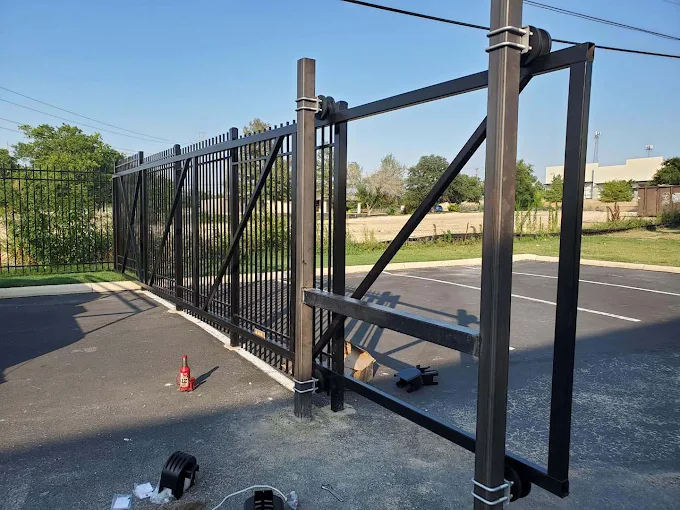
- Sliding or swing Commercial Gates at vehicle entrances
- Access Control systems with keypads, card readers, or remote operation
- Residential Gates and Estate Gates on multifamily or mixed-use sites
A comprehensive maintenance plan should include:
- Alignment and tension checks on gate hardware
- Lubrication of hinges, rollers, and operators
- Testing of safety sensors, loops, and access devices
- Battery and backup power system checks
A Plano medical office park experienced repeated gate malfunctions during storms, trapping staff and frustrating patients. By including their automated gates and access systems in a quarterly maintenance plan, they cut gate-related service calls by more than half and significantly improved reliability during bad weather.
Railings and Safety Barriers
Stair, balcony, and ramp railings on commercial properties also need attention:
- Checking welds, anchor points, and fasteners
- Verifying code-compliant heights and spacing
- Spot-coating rust and repainting worn areas
Designing a Maintenance Plan That Fits Your Facility and Budget
Every site is different. A Plano school district, a tech campus near Legacy West, and a manufacturing plant east of US-75 will have very different security profiles and wear patterns. A good maintenance provider will start with questions, not a generic price sheet.
Key factors that shape your plan:
- Type of facility: School, warehouse, office park, multifamily, healthcare, industrial, or agricultural
- Fence materials: Chain link, Wrought Iron Fence Installation, Vinyl Fence Installation, wood, or specialty systems
- Critical areas: Loading docks, employee entrances, pool or retention areas, high-value storage zones
- Traffic volume: Number of gate cycles per day, delivery frequency, public vs. private access
A typical Plano-area plan might include:
- Quarterly inspections and preventive service for a standard office park
- Monthly checks for a high-security logistics yard near major highways
- Semiannual service for lower-traffic service yards or farm fencing on agricultural or utility sites
“Right-sizing the plan is crucial. You want enough coverage to be protected, without paying for services you don’t need.” — Commercial Estimator, Fence Pros of Texas
Here’s a simplified comparison of common plan levels:
| Plan Level | Ideal For | Typical Frequency | Focus Areas |
|---|---|---|---|
| Basic | Small offices, low-traffic sites | 1–2x per year | Visual checks, minor adjustments |
| Standard | Most commercial/retail facilities | 3–4x per year | Full inspections, preventive service, reports |
| Intensive | High-security or high-traffic facilities | Monthly or more | Detailed inspections, priority response |
What This Means for Businesses in Plano, TX
Plano’s rapid growth, dense business parks, and proximity to major transportation corridors make security and uptime more critical than ever. Facilities here deal with:
- High traffic from deliveries, contractors, and employees
- Shared property lines with residential and retail neighbors
- Increasing expectations from insurers and corporate risk teams
A structured fence maintenance plan gives local businesses several advantages:
- Predictability: Budget for care of your Commercial Fence Installation just like HVAC or roofing, instead of scrambling after damage.
- Compliance: Support for local codes, safety standards, and insurance requirements, especially around pools, equipment yards, and public areas.
- Reputation: Well-maintained perimeter and entry gates signal professionalism to clients, tenants, and partners.
- Resilience: Faster recovery from storm events and accidents, which are common in North Texas storm seasons.
A Plano-based manufacturer near the George Bush Turnpike combined a new Security Fence Installation with a three-year maintenance agreement. When a spring storm knocked a tree into their perimeter, the documented plan and priority status meant repairs started the same day, avoiding production delays and potential theft.
For busy operations, the real value is peace of mind. You know someone is watching your perimeter with the same attention you give to your core business—without adding more to your internal team’s plate.
Frequently Asked Questions
Q: How often should our commercial fence be inspected in the Plano climate?
A: For most commercial properties in Plano, a quarterly inspection schedule strikes the right balance between cost and protection. Our heat, UV exposure, and occasional severe storms can accelerate wear on Metal Fence Installation, coatings, and gate components. High-security sites, such as logistics yards or facilities with heavy truck traffic, often benefit from monthly checks. Lower-traffic office parks or storage yards may do well with semiannual visits, provided the fence is relatively new and in good condition. The best approach is to start with quarterly inspections for the first year, review the findings, then adjust frequency based on actual repair needs and risk tolerance.
Q: We have multiple fence types on our property. Can one plan cover everything?
A: Yes. A well-designed plan should cover all perimeter and access assets on your property, including Wood Fences, Aluminum Fence Installation, Vinyl Fence Installation, Chain Link Fence Installation, and decorative or specialty systems. At Fence Pros of Texas, we routinely service mixed-material perimeters that include privacy fencing, ornamental fronts, and secure chain link around service areas. The inspection checklist is customized by material, so we’re looking for rot and finish wear on wood while checking for rust, alignment, and coating integrity on metal. This consolidated approach keeps billing simple and ensures nothing is overlooked.
Q: How does a maintenance plan help with budgeting and approvals?
A: A maintenance plan turns unpredictable repair expenses into a planned operating cost. Instead of sporadic, larger invoices for emergency Fence Repair, you have a clear annual agreement that covers inspections and preventive service. Detailed inspection reports help justify recommended work to your finance or corporate teams, and we can separate routine maintenance from capital projects like full Fence Replacement. For multi-site Plano operations, standardized plans across locations make it easier to forecast and compare costs, which many regional managers find invaluable during budgeting season.
Q: What happens if there’s storm or vehicle damage between scheduled visits?
A: A quality maintenance agreement includes defined response times for unplanned events. In Plano, high winds and hail can quickly damage sections of Wrought Iron Fence Installation or topple portions of older wood fencing. With Fence Pros of Texas, maintenance clients receive priority scheduling for urgent repairs, especially when security or safety is compromised. We’ll assess whether immediate temporary measures are needed—such as bracing, temporary panels, or securing access—then follow up with permanent repairs and documentation for your insurance claim. Because we already know your site, we can respond faster and more effectively.
Q: Can a maintenance plan extend the life of our existing fence enough to delay replacement?
A: In many cases, yes. Regular care can significantly extend the service life of Security Fence Installation and decorative systems. Tasks like tightening hardware, addressing small rust spots, re-staining wood, and correcting minor leaning prevent small issues from turning into structural failures. We’ve seen Plano clients add 5–7 years of useful life to their wood and ornamental fences through consistent maintenance, allowing them to align major replacement projects with broader capital plans. That said, if a fence is already at the end of its life cycle, we’ll be candid and recommend investing in a new Commercial Fence Installation rather than spending on short-lived repairs.
Q: How do maintenance plans work with gates and access control systems?
A: Gates and access systems are critical components of your perimeter and should always be included in a maintenance plan. For properties with Commercial Gates and Access Control, we add operator inspections, safety sensor testing, cycle counts, and alignment checks to each visit. This is particularly important in high-traffic Plano sites where gates may cycle hundreds of times per day. Proactive care reduces nuisance failures, extends operator life, and helps you avoid situations where staff or visitors are locked in or out. We also provide documentation that can support safety and ADA compliance reviews.
Q: We’re planning a new facility. Should we think about maintenance now or later?
A: Planning for maintenance during design and Commercial Fence Installation is one of the best ways to control long-term costs. In the planning stage, we can recommend materials and layouts that balance security, appearance, and maintenance needs—such as using durable Aluminum Fences in high-visibility areas and robust chain link in service yards. We’ll also build a maintenance schedule and approximate budget into your project so you can forecast operating costs from day one. Many Plano developers and property managers appreciate having a single partner responsible for installation, Fence Maintenance, and future upgrades.
Ready to Get Started?
Fencing, gates, and access systems are too important to leave to chance—especially in a busy market like Plano where security, uptime, and appearance directly affect your bottom line. A commercial fencing maintenance plan gives you a clear, proactive framework to protect your perimeter, your people, and your budget.
Seasonal shifts, storm seasons, and growing traffic patterns only increase stress on your fence and gate systems the longer you wait. Establishing a plan now means your next inspection can document current conditions, catch existing vulnerabilities, and set a baseline before the next major weather event or peak business cycle.
The next step is simple: schedule a site assessment. Fence Pros of Texas will walk your property, review your current fencing, gates, and railings, and build a maintenance proposal tailored to your facility’s risk level, traffic, and budget. From there, you’ll know exactly what’s covered, how often we’ll be on site, and what you can expect in terms of response times and reporting.
Protect your operation with the same care you expect from your own team—partner with a local fencing expert who understands Plano’s conditions and commercial demands.
About Fence Pros of Texas
Fence Pros of Texas is a locally focused fencing contractor serving Plano and the greater North Texas region with high-quality Commercial Fence Installation, repair, and maintenance services. Our team brings years of hands-on experience with industrial, institutional, and multi-site portfolios, along with a deep understanding of local codes, climate, and security needs. From design and installation to ongoing care, we help businesses protect their properties with reliable, long-lasting perimeter solutions.