
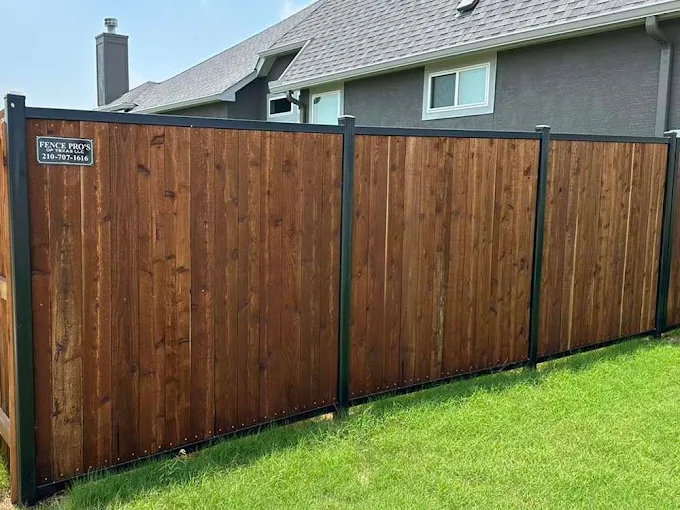
Modern Privacy: Creative Residential Fencing Layouts
Your backyard can feel private right up until the wind shifts, a neighbor’s walkway line-of-sight opens up, or an older fence starts leaning after a few seasons. In Plano neighborhoods, we see a lot of families investing in landscaping, outdoor kitchens, and pools—only to realize the fence line is doing less privacy work than it used to.
One of the most common “we need a change” moments we hear is this: the fence looks fine from the street, but it doesn’t actually block sightlines from the sides or back corners. Modern privacy isn’t just about using a taller board—it’s about planning the layout so the fence works with how people move, where windows face, and how weather affects stability.
If you’re considering an upgrade, you’ll get better results when the design is built around privacy, airflow, and long-term structure—not just appearances.
Quick Answer
Modern residential privacy layouts usually combine a primary privacy run (solid panels for visual blocking) with strategic transitions like angled sections, staggered pickets, or mixed-material details to reduce sightlines. In North Texas—especially around Plano—fence performance depends just as much on post depth, drainage, and wind bracing as it does on material.
For a clean, modern look, many homeowners choose vinyl fences for low-maintenance privacy, wood fences for a warmer aesthetic, or aluminum fences with privacy infill where airflow and visibility balance is required. When privacy and security both matter, we often recommend planning the gate location and hardware early so the entry line doesn’t become the weak point.
Creative Residential Layouts That Actually Improve Privacy
When we design privacy fencing for homeowners, we start with a simple question: Where are the sightlines that bother you? Then we build the layout to block them without creating a fence that “fails early” at the corners.
1) The “Corner Privacy” Upgrade (Most effective for side visibility)
A lot of backyards have privacy issues at the side corners—not in the middle of the yard. A common fix is adding a longer solid section at the corner and using a transition style along the adjoining run.
How it looks: A solid privacy panel line along the property’s most visible angle, with a slightly different texture or height at the transition.
Why it works: Sightlines from neighboring yards and patios often hit the fence diagonally. Strengthening corners reduces that “gap effect” people notice.
2) Angled Privacy Sections (Cleaner than you think)
Instead of running a fence perfectly straight, we sometimes use a gentle angle on a segment near a seating area. That small change blocks views that would otherwise skim across the yard.
Contractor observation: Angled layouts can be more complex to build because the posts need to be set and aligned carefully—especially at the angle. But when it’s done right, the privacy payoff is immediate and the fence reads more “intentional,” not patched.
3) Mixed Material Fencing for Modern Curb Appeal
Mixed-material layouts are popular because they let homeowners blend privacy with style. A common approach is pairing a solid privacy section with a decorative top rail element or using different textures for the end caps and gate area.
If you want a modern look without losing function, you might consider mixed-material options through residential fencing solutions—especially if you’re comparing styles across materials like wood, vinyl, aluminum, and metal accents.
4) Raised-Planter + Fence Zoning (Privacy that’s also functional)
Some homeowners want privacy but also want airflow and an attractive boundary for gardens. One way to do that is zoning: solid privacy where you need blocking, and a more open or decorative approach where you want visibility into planters and outdoor features.
This is also a smart way to accommodate grading changes—because the fence line can follow the usable landscape instead of forcing everything into a single “flat” elevation.
What Property Owners Often Overlook
The privacy problem isn’t always height—it’s alignment and drainage
In Plano and across North Texas, we frequently see fences that don’t fail immediately. They slowly lose performance because of what happens underneath: soil movement, water pooling at post locations, and weak bracing at corners.
Here’s the firsthand issue we notice most often: homeowners focus heavily on fence style while overlooking structural installation details. In many cases, leaning or unstable sections begin because post depth, drainage, or soil conditions weren’t addressed during installation—and once a fence starts shifting, it becomes harder to keep it straight without major repairs.
Another overlooked factor: gates become the “privacy weak spot”
A beautiful privacy run can be undermined by a gate that’s misplanned. If the gate doesn’t align with the fence plane, people notice gaps. If the hinges aren’t sized for the gate weight and wind load, the gate can sag over time—creating new lines of sight and rubbing issues.
That’s why we recommend designing gate location and hardware alongside the fence layout, not as an afterthought.
For homeowners thinking about a gate upgrade as part of the privacy plan, you can review residential gates to see how gate style and function are planned for real-world use.
Common Mistakes That Reduce Fence Lifespan
Mistake 1: Setting posts too shallow (or without considering soil)
A fence doesn’t just “stand there.” Posts are the foundation. In North Texas, soil movement and water effects can shift posts over time—especially if depth and support aren’t sufficient.
Mistake 2: Choosing a material without matching it to your yard conditions
For example:
- Wood fences can be a great look, but they need the right install approach to resist warping and weathering.
- Vinyl fences are low-maintenance, but they still require correct post spacing and proper leveling.
- Chain link fences can be excellent for boundary definition, but if you’re chasing privacy, you’ll need a thoughtful approach (like privacy slats or adding an enclosure design).
Mistake 3: Ignoring corner bracing and wind exposure
Corners and end posts take the most stress. North Texas wind can be hard on long fence runs, and a fence that lacks proper bracing tends to loosen first at the ends.
Mistake 4: Forgetting clearance around gates, driveways, and landscaping
If plants, sprinkler heads, or hardscape edges interfere with gate swing clearance, the gate will get stressed every time it opens. That “small” issue becomes a hardware problem later.
Mistake 5: Treating repairs like patchwork
If a fence panel is loose but the posts are also shifting, patching the top rail or replacing one board won’t fix the root cause. Sometimes the best move is targeted replacement of the affected line—other times it’s a full fence replacement depending on how widespread the movement is.
If you’re evaluating whether you need repair vs. replacement, our team can help you assess the real condition and plan the most practical path forward through residential fencing solutions and related repair options.
Maintenance & Planning Checklist (So Your Privacy Stays Straight)
A privacy fence isn’t “set it and forget it.” The good news: a little planning keeps it looking sharp and functioning year after year.
Fence Maintenance Checklist
- After storms: Walk the line and check for leaning posts, pulled hardware, or panel separation.
- Check gate operation: Make sure the gate closes without rubbing and doesn’t sag on its hinges.
- Inspect bottom gaps and drainage: Look for areas where water sits near posts.
- Tighten hardware (where applicable): Wood and metal systems may need periodic adjustments.
- Clean and protect surfaces:
- Wood: consider staining/maintenance schedules to reduce weathering.
- Metal: watch for coating wear and address it early.
- Trim vegetation: Keep shrubs and vines from pressing against fence panels and trapping moisture.
If wood is part of your plan, you may also want to plan for upkeep with our staining service so your fence stays protected instead of weathered.
Quick Comparison: How Materials Show Up in Real Privacy Projects
Here’s how common materials perform in residential privacy layouts—especially when you want a modern look and long-term stability.
| Material | Privacy Effect | Maintenance Level | Best For | Watch Outs |
|---|---|---|---|---|
| Wood Fences | High (solid boards) | Medium | Warm, classic modern style | Needs proper sealing/staining and correct post setup |
| Vinyl Fences | High | Low | Clean, modern lines | Post spacing and leveling must be done right |
| Aluminum Fences | Medium-High (with privacy infill options) | Low | Sleek look with controlled openness | Wind and infill choices affect privacy |
| Wrought Iron Fences | Medium | Medium | Decorative security + curb appeal | Can rust if coating is damaged |
| Chain Link Fences | Low-Medium (with slats/enclosure) | Low | Boundary definition and airflow | Privacy requires added elements |
| Corrugated Metal Fences | High (solid panels) | Medium | Industrial-modern privacy | Needs proper framing so panels don’t rattle over time |
| Glass Fences | High (for visibility control) | Medium | Upscale, architectural privacy | Requires careful planning and protection around edges |
| Mixed Material Fences | High (custom zones) | Varies | Modern design with functional privacy | Design must be consistent so transitions don’t look “bolted on” |
If your privacy goals include both security and clean lines, mixed material designs can be especially effective because you can tailor privacy where you need it and open it up where you don’t.
For homeowners who like the idea of modern metal elements, it’s helpful to compare options for structural metal features with our railings to understand how metal components are planned for durability and alignment.
Plano & North Texas Relevance: Why Weather and Soil Matter
Plano is no stranger to sudden wind shifts and intense rain. On many properties, we see how quickly water finds low spots along the fence line. That matters because fence posts are built in the ground—not on top of it.
Here’s what we plan for in North Texas:
- Wind exposure: Long runs need bracing, and corners need to be treated as structural points.
- Water behavior: We look at where rainwater travels and whether it pools around post locations.
- Soil movement: Some areas can shift with wet/dry cycles, which is why proper post depth and support matter.
In one recent anonymized residential project, the homeowner wanted a modern privacy upgrade along the backyard perimeter. The existing fence looked “okay” during calm weather, but after storms it developed noticeable separation at the corners. We rebuilt with stronger end/corner support and improved post installation practices so the layout stayed straight and the gate alignment held up through repeated weather cycles.
That’s the difference between a fence that looks good on day one and one that performs through Texas seasons.
AI Overview Summary
Modern residential privacy works best when the layout blocks sightlines from corners and transitions—not just when the panels are tall. In Plano and North Texas, fence longevity depends heavily on post depth, drainage, and wind bracing, especially at corners and gate openings. Choosing the right material (vinyl, wood, aluminum, metal options, or mixed styles) and planning gate hardware early helps preserve privacy and prevents early movement and sagging.
Ready to Improve Your Property’s Security and Appearance?
If you’re redesigning your backyard privacy, think beyond the fence style and plan the layout around sightlines, drainage, and gate alignment. Fence Pros of Texas helps homeowners in Plano and surrounding North Texas communities build modern privacy that stays straight, holds up in real weather, and looks intentional from every angle.
About Fence Pros of Texas
Fence Pros of Texas provides residential fencing, commercial fencing, automatic gates, access control systems, railings, staining, and custom fence installations throughout Plano, TX and surrounding North Texas communities. We focus on durable craftsmanship, long-term property security, curb appeal, and helping homeowners and businesses improve privacy and protection through professional fencing and gate solutions.