
Expert Tips for Caring for Your Fence
You see it every day pulling out of the driveway or walking into your business, but you probably don’t think about it until something goes wrong: your fence. In a place like Plano, where we get blazing sun, sudden storms, and the occasional hail event, your fence is taking a beating year-round. City data shows Plano averages more than 230 sunny days a year and wide temperature swings between seasons—conditions that can age an unprotected fence much faster than most owners expect.
For many homes and businesses, the fence is both the first line of security and the first impression for visitors and customers. A neglected fence can sag, fade, or rust in just a few years, hurting curb appeal and, in some cases, becoming a safety or liability issue.
This guide walks you through practical, expert-backed tips for caring for every major fence type—from wood and vinyl to metal and mixed-material designs. You’ll learn how to spot early warning signs, what maintenance really matters in North Texas weather, and when it makes sense to repair instead of replace.
Key Insight: Consistent, simple maintenance often doubles the usable life of a fence and dramatically lowers long-term repair and replacement costs.
Understanding Your Fence Material: Why It Matters for Maintenance
Not all fences age the same way, and in Plano’s climate, the material you have will drive your maintenance plan. A homeowner with a cedar privacy fence has different priorities than a business owner with a metal security fence around a warehouse.
How Different Fence Types Behave in North Texas
Here’s how common fence materials respond to our local conditions:
- Wood fences (especially cedar and pine) are vulnerable to UV damage, moisture, and warping from rapid temperature changes.
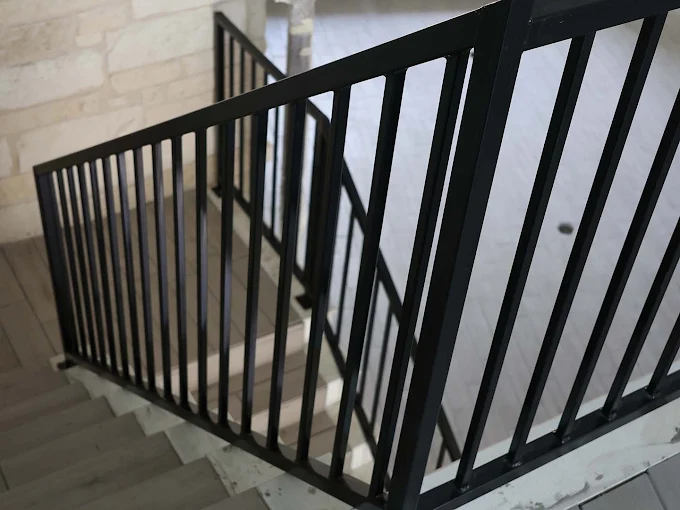
- Metal fences—like Wrought Iron Fences and Aluminum Fences—stand up well to wind and impact but can rust or fade without proper coatings.
- Vinyl and Corrugated Metal Fences handle moisture well but can crack, chalk, or dent if neglected.
- Modern Mixed Material Fences and Glass Fences add style but require more nuanced care to keep all components performing together.
“Your fence material is your maintenance roadmap. If you know what you have, you know what to watch for.” — Fence Pros of Texas Team
Local Example: The Plano Privacy Fence That Failed Early
A homeowner in West Plano installed a beautiful cedar privacy fence just off Legacy Drive. It was never stained or sealed, and sprinkler heads sprayed directly on the boards. Within four years, the panels were gray, warped, and leaning. The fence needed extensive Fence Repair and partial Fence Replacement—costs that could have been avoided with a basic maintenance plan.
CALLOUT: Matching your care routine to your fence type is the single most effective way to stretch your investment and avoid premature failure.
Wood Fence Care in Plano: Stain, Seal, and Smart Water Management
Wood fences are everywhere in Plano neighborhoods—especially cedar and pine privacy fences. They offer warmth, natural beauty, and excellent privacy, but they’re also the most vulnerable to our sun, humidity swings, and irrigation systems.
Why Staining and Sealing Isn’t Optional
For Wood Fences, UV rays from the Texas sun break down lignin in the wood, causing graying, splitting, and surface erosion. Unsealed boards also absorb moisture, leading to warping and rot.
Professional staining services, like those offered through our Fence Maintenance and staining team, create a protective barrier that:
- Blocks UV rays to reduce fading and cracking
- Repels water to slow rot and mold
- Stabilizes the wood to minimize warping and cupping
- Enhances the natural grain for better curb appeal
Most North Texas wood fences benefit from staining every 3–4 years, depending on color, product quality, and sun exposure.
Sprinklers: The Silent Fence Killer
One of the biggest issues we see in Plano is irrigation overspray. Sprinkler heads pointed directly at a wood fence keep the lower boards constantly wet.
Common signs of water damage:
- Green algae or black mildew at the bottom of boards
- Soft or crumbling pickets near the ground line
- Discoloration bands where water repeatedly hits
A homeowner near Oak Point Park called us after noticing boards soft enough to push a screwdriver through. The culprit was a misaligned sprinkler head that had soaked the fence for years. Adjusting the irrigation and replacing the worst boards plus restaining saved the rest of the fence.
“Most wood fences don’t fail from storms—they fail from small, repeated stresses like sun and water that go unchecked.” — Senior Installer, Fence Pros of Texas
Metal, Vinyl, and Mixed-Material Fences: Rust, Fading, and Hardware Checks
Metal and vinyl fences are popular for both homes and businesses across Plano because they’re lower-maintenance than wood and often better suited for security or pool code requirements. But “low-maintenance” doesn’t mean “no maintenance.”
Caring for Metal Fences: Aluminum, Steel, and Wrought Iron
High-quality Metal Fence Installation—including Aluminum Fence Installation and Wrought Iron Fence Installation—usually includes protective coatings. Over time, these coatings can chip, scratch, or wear, especially at welds and joints.
Key care steps:
- Inspect annually for rust spots, especially near the ground and at welds.
- Lightly sand and touch up paint or coating at the first sign of corrosion.
- Keep soil, mulch, and landscaping a few inches away from the base of the fence.
- For commercial properties, schedule regular checks along high-traffic areas and loading zones.
We worked with a small distribution center off US-75 where delivery trucks occasionally brushed against their Security Fence Installation. Over a few years, small scratches turned into rust patches. A targeted restoration and repainting program brought the fence back before structural damage occurred.
Vinyl and Mixed-Material Fence Care
For Vinyl Fences and Decorative Fence Installation that combine vinyl, metal, and sometimes glass, the focus is on:
- Regular cleaning with mild soap and water to prevent staining
- Avoiding harsh chemicals that can etch or cloud surfaces
- Checking connectors and fasteners where different materials meet
CALLOUT: Fences fail from the hardware out. Hinges, brackets, and fasteners are the weak links—check them as often as the panels or pickets.
Gates, Hardware, and Access Control: Moving Parts Need Extra Attention
Your fence might be in good shape, but if the gate sags or the access system fails, the entire perimeter is compromised. This is especially critical for commercial properties, gated communities, and homes with pools.
Why Gates Wear Out Faster
Gates concentrate stress on a few posts and hinges. Over time, gravity, wind, and daily use cause:
- Sagging or dragging gates
- Misaligned latches that no longer close securely
- Worn hinges that squeak or bind
- Posts that lean due to soil movement or improper footings
We’ve visited Plano businesses where the fence looked solid, but a single sagging gate left the property vulnerable after hours. For one auto shop just east of downtown, an improperly adjusted commercial gate allowed a thief to force entry with minimal effort.
Routine care for Residential Gates and Commercial Gates includes:
- Lubricating hinges and moving parts twice a year
- Tightening lag bolts, brackets, and latch hardware
- Adjusting or reinforcing gate posts if any lean is detected
- Verifying that gates latch securely without slamming or lifting
Access Control and Automated Systems
For properties using Access Control or Estate Gates, maintenance extends beyond the fence itself:
- Clean and test keypad, card reader, or remote systems regularly
- Inspect safety sensors and photo eyes for obstructions and alignment
- Check battery backup systems, especially before storm season
- Schedule professional service annually for motorized operators
“An automated gate is only as secure as its last maintenance visit. Waiting until it fails usually means downtime and emergency costs.” — Operations Manager, Fence Pros of Texas
Residential vs. Commercial Fence Care: Different Risks, Different Priorities
A backyard privacy fence and a perimeter fence around a Plano business park might look similar from the road, but the risks, regulations, and maintenance expectations are very different.
Comparing Residential and Commercial Needs
Here’s a quick comparison of typical priorities:
| Aspect | Residential Fence Care | Commercial Fence Care |
|---|---|---|
| Primary Goal | Privacy, appearance, pet/kid containment | Security, liability control, access management |
| Common Materials | Wood, vinyl, Aluminum Fences | Chain link, steel, Metal Fence Installation |
| Maintenance Frequency | Seasonal inspections, 2–3 year staining (wood) | Scheduled quarterly or semiannual inspections |
| Key Concerns | Rot, warping, HOA rules, pool safety | Breach points, gate function, code compliance, liability |
| Response to Damage | Often reactive (after visible issues) | Should be proactive and documented |
Residential Fence Care in Plano
Homeowners in neighborhoods like Willow Bend or Deerfield typically focus on:
- Keeping Privacy Fence Installation attractive and HOA-compliant
- Ensuring Pool Fence Installation remains safe and up to code
- Maintaining Garden Fence Installation to keep pets in and wildlife out
A family in East Plano recently called us after their dog found a rotted section of fence and escaped into a neighbor’s yard. A quick repair and a full-condition assessment revealed several other weak spots that hadn’t yet failed but would have soon.
Commercial Fence Care in Plano
For businesses along the Dallas North Tollway or in industrial parks:
- Commercial Fence Installation is tied directly to security and insurance requirements.
- Documented Fence Maintenance can support risk management and claims.
- Access points—truck gates, employee entrances, and loading docks—must function reliably to avoid operational disruption.
CALLOUT: Residential fences protect your peace of mind. Commercial fences protect your bottom line. Both deserve a structured care plan.
Planning a Maintenance Schedule: From Seasonal Checks to Long-Term Strategy
Fence care feels manageable when it’s broken into small, scheduled tasks. Treating your fence like any other major asset—HVAC, roofing, vehicles—helps avoid surprise expenses.
Seasonal Checklist for Plano Properties
Because of our climate, a seasonal rhythm works well:
Spring (post-storm checks)
- Walk the entire fence line after major storms.
- Look for leaning posts, broken pickets, and damaged panels.
- Clear debris and vegetation touching the fence.
Summer (sun and irrigation focus)
- Inspect for fading, cracking, or drying on wood and vinyl.
- Confirm sprinklers aren’t hitting the fence.
- Consider scheduling staining through our Fence Maintenance team.
Fall (prep for wet and cold)
- Re-tighten hardware on gates and railings.
- Touch up paint/coatings on Metal Fence Installation.
- Trim back shrubs and trees that could fall or rub.
Winter (structural focus)
- Watch for soil movement or frost heave around posts.
- Check Railings and steps for safety.
- Test access control and gate operators during cold snaps.
Cost-Benefit: Maintenance vs. Replacement in Plano
| Approach | Typical Cost Range (Local) | Long-Term Impact in Plano Climate |
|---|---|---|
| Minimal/no maintenance | Low up-front, high eventual replacement | Shorter fence life, more frequent emergency repairs |
| Regular DIY inspections | Very low cost | Catches issues early; may miss technical problems |
| Professional maintenance program | Moderate, predictable annual cost | Extends fence life, fewer surprises, better performance |
We worked with a Plano HOA that shifted from reactive repairs to a scheduled maintenance plan for its perimeter Residential Fence Installation. Over five years, they reduced total fence-related expenses by about 30% compared to the previous five-year period—even after adding the cost of routine care.
Repair or Replace? Knowing When It’s Time for a New Fence
At some point, every fence reaches a crossroads: keep repairing, or invest in replacement. Knowing how to evaluate that choice can save money and frustration.
Signs Your Fence Is Near the End of Its Life
Common red flags:
- Multiple leaning or rotted posts
- Widespread rust on metal components
- Significant sections of missing or broken pickets
- Gates that can’t be adjusted to function properly
- Repairs that never seem to last more than a season
For example, a Plano business near Park Boulevard had patched its chain link fence several times after vehicle impacts and weather damage. Eventually, the repairs started overlapping, and the fence line looked like a quilt of mismatched materials. We evaluated the structure and found that more than 50% of the posts were compromised. Full Fence Replacement with a more robust Chain Link Fence Installation ended up being more cost-effective.
When Repairs Still Make Sense
Repairs are often the right call when:
- Damage is localized (one section hit by a fallen limb)
- The fence is relatively young and otherwise sound
- The style and material are still available
- Budget or timing makes full replacement difficult
We frequently restore sections of Wood Fence Installation in Plano neighborhoods where homeowners want to keep an overall consistent look while addressing heavily weathered or damaged areas.
“A professional inspection can quickly tell you whether you’re throwing good money after bad—or if a strategic repair will buy you years of service.” — Project Consultant, Fence Pros of Texas
What This Means for Businesses in Plano, TX
For Plano businesses—whether you’re managing a retail center off Preston Road, a corporate office near Legacy West, or a light industrial facility along US-75—your fence is part of your risk management strategy.
Well-maintained Commercial Fence Installation supports:
- Security: A strong perimeter discourages trespassers, protects inventory, and complements your camera and alarm systems.
- Liability Control: Sound Security Fence Installation and properly maintained Access Control systems help demonstrate due diligence to insurers and regulators.
- Brand Image: A rusted or leaning fence at an entry drive sends the wrong message to clients and tenants. Clean, straight lines project professionalism.
- Operational Efficiency: Reliable Commercial Gates keep deliveries on schedule and avoid bottlenecks at loading docks or employee entrances.
The Plano business climate is competitive. Customers have choices, and first impressions form in seconds. A neglected fence at a restaurant, office park, or dealership near the Dallas North Tollway can undermine the investment you’ve made in signage, landscaping, and building upgrades.
By building fence care into your regular facility maintenance—just like HVAC servicing or parking lot striping—you gain predictable costs, fewer emergencies, and a safer, more attractive property. Partnering with a local expert who understands Plano’s weather patterns, soil conditions, and code requirements makes it even easier to stay ahead of problems.
Frequently Asked Questions
Q: How often should I have my wood fence stained in Plano’s climate?
A: For most Wood Fences in Plano, staining every 3–4 years is a good rule of thumb. South- and west-facing fences that get more direct sun may need attention a bit sooner, while shaded sections sometimes last longer. The quality of the original product and application also matters. If your fence is turning gray, feels dry and rough, or absorbs water instead of beading it, it’s time to call a professional staining service like our Fence Maintenance team. Regular staining not only keeps your fence looking good but can significantly extend its life, delaying costly replacement.
Q: Are metal fences really “maintenance-free,” or do they need care too?
A: Even high-quality Metal Fence Installation, such as Aluminum Fences and Wrought Iron Fences, benefit from periodic care. While they’re lower-maintenance than wood, they’re not immune to scratches, coating wear, or rust—especially at welds and around ground contact points. In Plano, dust, lawn chemicals, and irrigation overspray can slowly degrade coatings. A quick annual inspection to spot rust, touch up paint, and clear vegetation from the base of the fence goes a long way. For commercial properties, documenting these checks can also support risk management and insurance requirements.
Q: How do I know if my fence can be repaired or needs full replacement?
A: The decision between Fence Repair and Fence Replacement comes down to the extent and pattern of damage. If you have a few damaged panels or posts and the rest of your fence is structurally sound, repair is usually the most cost-effective option. However, if you’re seeing widespread rot, multiple leaning sections, or extensive rust on a metal fence, it’s often smarter to invest in a new Residential Fence Installation or Commercial Fence Installation. A professional inspection in Plano typically reveals whether repairs will last or if you’d just be postponing the inevitable.
Q: What special care does a pool fence need in Plano?
A: Pool Fence Installation carries both safety and code responsibilities. In addition to regular structural checks—like ensuring posts are solid and panels intact—you’ll want to verify that self-closing, self-latching gates work properly and that latch heights meet local code. Moisture and pool chemicals can be hard on metal and hardware, so look closely for rust and corrosion. If you have a mixed-material or Decorative Fence Installation around your pool, cleaning and inspecting connectors between materials is key. Because of the safety implications, many Plano homeowners schedule an annual professional review of their pool fencing.
Q: How should businesses in Plano maintain chain link and security fences?
A: For businesses relying on Chain Link Fence Installation or Security Fence Installation, proactive care is essential. Walk the fence line quarterly to look for cut or bent fabric, loose tension wires, and signs of attempted entry. Pay special attention to areas near dumpsters, loading docks, and secluded corners. Check that Commercial Gates close and latch fully and that any Access Control devices are functioning reliably. In Plano’s industrial areas, we often find damage from forklifts or delivery trucks that goes unreported; catching it early prevents small breaches from becoming full access points.
Q: Can I mix materials—like wood and metal—to reduce maintenance without losing curb appeal?
A: Yes, well-designed Mixed Material Fences can offer the best of both worlds: the warmth of wood with the durability of metal. For example, pairing Wood Fence Installation panels with steel posts or framing significantly reduces rot risk at ground level. In Plano, we’ve installed custom Custom Fence Design solutions that combine cedar infill with powder-coated metal frames to stand up better to sun and storms. The key is proper detailing where materials meet and a plan for caring for each component—such as staining the wood and periodically checking the metal for coating wear.
Q: What’s the best way to care for farm or acreage fencing around Plano?
A: For properties on the outskirts of Plano or nearby rural areas, Farm Fencing needs to balance animal containment, durability, and cost. Regularly walk your fence lines to check for loose wires, broken boards, and leaning posts, especially after storms or high winds. Vegetation control is critical; overgrowth can hide damage and add weight to wire or mesh. If you use electric components, test them routinely. Where livestock or horses are involved, maintaining smooth, safe surfaces without sharp edges is vital. Many landowners schedule annual or semiannual professional checks to ensure their perimeters remain secure and safe for animals.
Ready to Get Started?
The best time to care for your fence is before it shows obvious signs of failure. In Plano’s harsh sun and fast-changing weather, small issues quickly snowball into leaning posts, sagging gates, and expensive emergency fixes. Whether you’re protecting a family home, a neighborhood pool, a retail center, or a high-security facility, a thoughtful maintenance plan is one of the smartest property decisions you can make.
Fence Pros of Texas can help you assess your current fence, identify priority repairs, and design a maintenance schedule tailored to your material, property type, and budget. From Residential Fence Installation and Commercial Fence Installation to staining, Railings, and gate systems, our local team understands what works in North Texas.
If your fence hasn’t had a professional look in years—or if you’re already seeing signs of wear—now is the ideal moment to act, before summer sun or storm season makes problems worse. Schedule an inspection, ask your questions, and get straightforward recommendations from a team that treats your property like their own.
About Fence Pros of Texas
Fence Pros of Texas is a locally focused fencing contractor serving Plano and the greater North Texas area. Our team brings years of hands-on experience in Residential Fence Installation, Commercial Fence Installation, Farm Fencing, gates, and access systems. We’re committed to craftsmanship, clear communication, and solutions that stand up to Texas weather. From Residential Gates to Estate Gates and beyond, we help homeowners, businesses, and landowners protect and enhance their properties with fences built—and maintained—to last.