
Expert Advice on Fence Maintenance Tips
North Texas weather is rough on fences. One month you’re dealing with blazing sun and 100° heat, the next you’re hit with storms that push 60 mph winds across Plano backyards and business properties. Local insurance data shows wind and storm damage are among the top causes of exterior property claims in Collin County, and fences are often the first thing to go.
Whether you own a Plano home off Preston Road or manage a commercial property near Legacy West, your fence is doing a lot more than marking a boundary. It protects your privacy, boosts curb appeal, deters intruders, and can even impact your property value. Yet many fences in our area lose years of life simply because they’re not maintained correctly—or at all.
This guide shares practical, field-tested fence maintenance advice from a local perspective. You’ll learn how to care for different materials, spot early warning signs before they become expensive repairs, and apply seasonal maintenance routines that actually match Plano’s climate. We’ll cover both residential and commercial needs, so you can keep your fence strong, safe, and good-looking for the long haul.
Key Insight: A small, consistent maintenance routine can easily add 5–10 years to the life of your fence—often saving thousands of dollars in premature replacement costs.
Understanding Your Fence Type: Why Maintenance Is Not One-Size-Fits-All
Every fence material behaves differently in Texas heat, clay soil, and storm cycles. The first step to smart maintenance is understanding what you’re working with—because the way you care for Wood Fences is not the same as how you maintain Aluminum Fences or wrought iron.
How Common Fence Types Age in Plano
Here’s how the most popular fence styles around Plano typically hold up:
- Wood (cedar or pine)
Very common in neighborhoods like Ridgeview Ranch and Russell Creek. Beautiful but vulnerable to UV damage, moisture, and soil movement. Without sealing or Fence Staining, boards can gray, warp, and rot.
- Vinyl fences
Great for low maintenance, but can chalk or fade in intense sun. Cheaper vinyl can become brittle over time if not cleaned and inspected.
- Chain link fences
Common around industrial and commercial sites. Galvanized coatings protect against rust, but trimming vegetation and checking tension keeps them safe and secure.
- Wrought iron and other Metal Fence Installation options
Strong and elegant, especially for front yards or Decorative Fence Installation. But they need protection from rust, especially at weld points and where sprinklers hit.
- Mixed material or Custom Fence Design fences
Popular in newer Plano builds—combining wood with metal or Corrugated Metal Fences. Each material requires its own maintenance approach.
“The biggest mistake we see is treating every fence like wood. That’s how people end up voiding warranties or causing avoidable damage.” — Senior Installer, Fence Pros of Texas
Local Example
A homeowner in West Plano had a beautiful Privacy Fence Installation with cedar and steel posts. They regularly stained the wood but ignored the base of the steel posts. After a few years of sprinkler overspray and soil contact, corrosion set in at ground level. The fence looked great from the outside, but several posts had to be replaced because they were no longer structurally sound.
CALLOUT: Match your maintenance to your material. A one-size-fits-all approach can shorten your fence’s life instead of extending it.
Seasonal Fence Maintenance for Plano’s Climate
Plano’s weather swings create a specific pattern of stress on fences: expansion and contraction with temperature changes, soil shifting from wet to dry, and UV exposure almost year-round. A seasonal checklist helps you stay ahead of those forces.
Spring: Post-Storm Recovery and Inspection
After winter cold snaps and early spring thunderstorms:
- Walk the entire fence line and look for:
- Leaning sections or loose posts
- Cracked or split boards
- Rust on metal components
- Sagging gates
- Clear debris around the base so moisture and insects don’t collect.
- Tighten loose hardware on gates and Residential Fence Installation sections.
A Plano business near US-75 called us after a spring storm because their Commercial Fence Installation had started to lean. The issue wasn’t the storm itself; it was years of soil erosion at the post bases that finally gave way under heavy wind. A simple annual inspection would have caught the problem early.
Summer: UV Protection and Movement
Extreme heat and sun can:
- Dry out wood and cause cracking or warping.
- Fade vinyl and painted surfaces.
- Expand metal, stressing welds and fasteners.
This is the best time to:
- Re-stain or seal wood fences.
- Check for gaps under fence lines created by shrinking clay soil.
- Inspect Pool Fence Installation and Garden Fence Installation for loose pickets or latches—especially important for safety and code compliance.
Fall: Prep for Rain and Cooler Weather
- Trim back trees and shrubs that touch the fence.
- Clean leaves and debris from the base.
- Check drainage so water doesn’t pool along the fence line.
Winter: Light Touch, Smart Planning
- Inspect for frost heave or shifting posts after freezes.
- Schedule any major Fence Repair or Fence Replacement for late winter or early spring, before the busy season.
| Season | Primary Threat in Plano | Key Maintenance Task | Benefit |
|---|---|---|---|
| Spring | Storms & high winds | Full fence inspection | Catch structural issues early |
| Summer | Heat & UV | Stain/seal, adjust gates | Prevent warping & fading |
| Fall | Rain & vegetation | Clear base, trim plants | Reduce rot & rust |
| Winter | Freeze/thaw, soil shift | Monitor posts & planning | Avoid surprise failures |
CALLOUT: A 30-minute walk-around each season is often enough to prevent a major failure that could cost thousands to fix.
Material-Specific Maintenance: Wood, Metal, Vinyl, and Chain Link
Once you understand the seasons, it’s time to get specific. Each material common in Plano neighborhoods and business districts needs a different touch.
Wood Fences: Stain, Seal, and Save Years of Life
Cedar is popular across Plano for privacy fences, but even high-quality wood needs protection. Without it, UV rays break down fibers, and moisture leads to rot.
Best practices:
- Re-stain or seal every 2–4 years, depending on exposure and product quality.
- Focus on the tops and bottoms of pickets, where water often sits.
- Keep sprinklers from spraying directly onto the fence.
We often recommend professional Fence Staining for larger properties. One Plano HOA that we work with had us stain nearly half a mile of perimeter fencing. By committing to a 3-year staining cycle, they’ve massively reduced board replacement and kept a consistent look across the community.
Wrought Iron and Other Metal Fences
For Wrought Iron Fences and other decorative metal options:
- Inspect welds and joints annually for rust.
- Lightly sand and touch up paint where you see bare metal.
- Avoid allowing soil or mulch to pile up against the bottom rail.
A homeowner near Oak Point Park noticed small rust spots on their decorative Security Fence Installation. They assumed it was just cosmetic. Within two years, several pickets had weakened at the base. A simple touch-up early on would have prevented a much larger repair.
Vinyl Fences
Vinyl is low maintenance, not no maintenance:
- Wash annually with mild soap and water to remove dirt and mildew.
- Avoid harsh chemicals that can discolor the material.
- Check posts for movement—vinyl panels rely on solid support.
Chain Link Fences
For Chain Link Fences around commercial yards, schools, or industrial sites:
- Keep vines and heavy vegetation off the fence to avoid weight and moisture.
- Check tension wire and top rails for bends or breaks.
- Look for rust at cut ends or where coatings have been damaged.
CALLOUT: The earlier you address small cosmetic issues—like surface rust or hairline cracks—the less likely they are to become structural failures.
Structural Health: Posts, Gates, and Hardware You Can’t Ignore
A fence’s strength lives in its posts and connections. In Plano’s shifting clay soil, this is where most long-term problems begin.
Posts: The Foundation of Your Fence
Whether you have wood posts, steel posts, or a combination:
- Look for leaning sections—often a sign of post movement or rot.
- Check where the post meets the soil or concrete; soft spots or crumbling wood mean trouble.
- For older Wood Fence Installation, tap posts near ground level with a screwdriver handle. If it sinks in easily, the post may be rotting inside.
A Plano business with a large Commercial Fence Installation around their parking lot called us after a section collapsed. The boards looked fine, but several buried posts had rotted through at ground level. Replacing posts proactively would have avoided both the collapse and the rush repair.
Gates: The First Thing to Fail
Gates are the most-used part of any fence, so they wear out faster:
- Check hinges for sagging or squeaking.
- Make sure latches close securely every time.
- Lubricate moving parts annually.
This is especially important for:
- Residential Gates that kids use daily.
- Commercial Gates protecting equipment yards.
- Estate Gates or entries with Access Control systems.
“Most emergency calls we get about security issues start with a gate that stopped closing properly weeks or months earlier.” — Operations Manager, Fence Pros of Texas
Hardware and Fasteners
- Replace rusted nails or screws with exterior-grade fasteners.
- Check brackets and braces for tightness.
- For mixed material or Custom Fence Design, ensure dissimilar metals are properly isolated to prevent galvanic corrosion.
CALLOUT: Think of posts and gates as “critical infrastructure.” If they’re solid, everything else is usually easier and cheaper to maintain.
A Practical Maintenance Plan for Homes, Businesses, and Farms
Whether you own a single-family home in Plano, manage a retail center, or operate acreage on the outskirts, your fence maintenance needs will look a bit different. The key is building a plan that fits how your property is used.
For Plano Homeowners
Most Residential Fence Installation in Plano is wood privacy fencing, often shared with neighbors.
A simple annual plan:
- Spring: Inspect boards, posts, and gates; schedule any needed Fence Repair.
- Summer: Stain or seal wood; adjust gates and latches.
- Fall: Clear vegetation and debris; check drainage at the base.
- Winter: Light inspection after hard freezes or major storms.
One family in East Plano stuck to this routine after installing a new cedar fence. Ten years later, their fence still looks sharp and functions well—while several neighbors have already had partial replacements.
For Commercial Properties
For retail centers, warehouses, or office complexes with Commercial Fence Installation:
- Schedule quarterly inspections, especially for security perimeters.
- Combine fence checks with lighting and camera inspections for efficiency.
- Pay special attention to Access Control systems and Commercial Gates.
Downtime or security breaches can be costly. One Plano equipment rental company we service had a single loose panel in their chain link perimeter. Thieves exploited it one weekend, costing thousands in stolen inventory. Since then, they’ve added regular fence checks to their security protocol.
For Farms and Larger Properties
On the rural edges near Plano and surrounding areas, Farm Fencing has its own demands:
- Walk fence lines regularly to check for animal pressure damage.
- Tighten or replace loose wires and broken posts promptly.
- Keep vegetation under control to prevent hidden damage.
| Property Type | Fence Priority | Maintenance Frequency | Typical Focus |
|---|---|---|---|
| Residential | Privacy & appearance | 2–4 times/year | Staining, gates, boards |
| Commercial | Security & access | Quarterly | Perimeter integrity, gates, access control |
| Farm/Rural | Containment & safety | Monthly/after storms | Wire tension, posts, animal impact |
CALLOUT: Your maintenance plan should match how critical your fence is to your daily operations—privacy, security, or containment.
Modern Enhancements That Make Maintenance Easier (and Smarter)
Maintenance isn’t just about patching problems. Smart upgrades can reduce future work, improve safety, and extend fence life—especially in a fast-growing area like Plano where property expectations are high.
Upgrading Materials Strategically
If you’re already planning a Fence Replacement or major repair, it’s worth considering modern options:
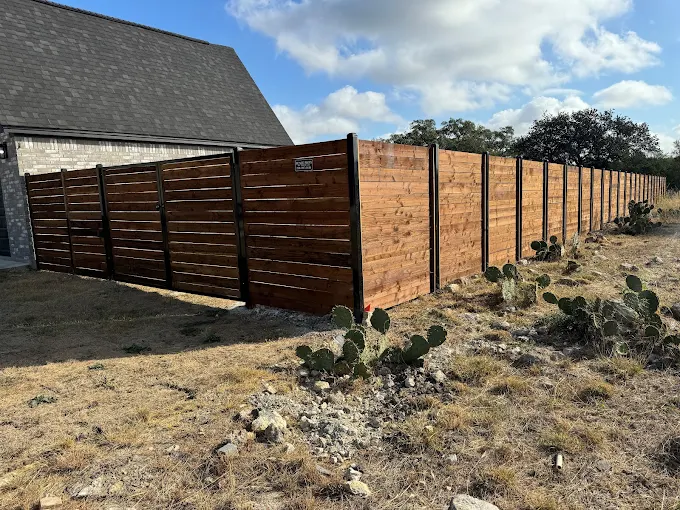
- Steel posts with wood panels for longer-lasting privacy fences.
- Vinyl Fence Installation for low-maintenance side yards or pool areas.
- Aluminum Fence Installation around pools or patios for rust-resistant, stylish boundaries.
A homeowner near Legacy West upgraded from aging wood posts to steel posts with new cedar panels. Their upfront investment was slightly higher, but their long-term maintenance is now much simpler—and the fence is far more durable against North Texas storms.
Smart Gates and Access Control
For both residential and commercial properties:
- Adding Access Control to gates can improve security and reduce the risk of gates being left open or forced.
- Well-designed Residential Gates and Estate Gates with quality hardware need less frequent adjustment.
Railings and Safety Additions
On properties with elevation changes, decks, or retaining walls, professionally installed Railings complement fences and add safety. Keeping railings in good condition is part of an overall exterior maintenance plan that protects both people and property.
“Planning upgrades around natural replacement cycles is the most cost-effective way to improve both appearance and performance.” — Project Consultant, Fence Pros of Texas
CALLOUT: Sometimes the best maintenance move is a targeted upgrade that reduces future work and risk.
What This Means for Businesses in Plano, TX
For Plano businesses, a fence is more than a property line—it’s part of your operations, your security plan, and your brand image.
A well-maintained Commercial Fence Installation around your office park, industrial yard, or retail center:
- Deters theft and trespassing.
- Defines your property clearly, reducing liability concerns.
- Projects professionalism to customers, tenants, and partners.
Local data shows that Collin County continues to grow rapidly, with new developments and higher property values across the Plano area. That growth brings more traffic, more people near your property, and higher expectations for how a business looks and operates.
Neglecting your fence can create real risk:
- A failing perimeter around a storage yard can lead to theft or safety incidents.
- Damaged or leaning fences near parking lots can become a liability issue.
- Poorly maintained Security Fence Installation can undermine your entire security strategy.
On the other hand, a consistent maintenance plan—paired with occasional strategic upgrades like Commercial Gates or integrated Access Control—can:
- Extend the life of your existing infrastructure.
- Reduce emergency repair calls.
- Keep your property aligned with city codes and insurance requirements.
For businesses along the Dallas North Tollway, US-75, or in busy hubs like Legacy and Granite Park, first impressions matter. Your fence is one of the first things people see when they arrive. Treating it as a managed asset, not an afterthought, puts you ahead of many competitors in the area.
Frequently Asked Questions
Q: How often should I stain or seal my wood fence in Plano?
A: For most Wood Fences in Plano, staining or sealing every 2–4 years is a good rule of thumb. Our climate is tough on wood—intense sun, humidity, and sudden storms all take a toll. If your fence faces south or west and gets full sun, you may need to re-stain closer to every 2–3 years. Shadier yards might stretch to 4 years. Look for signs like graying wood, water no longer beading on the surface, or hairline cracks. Professional Fence Staining can help ensure the right products and application, which often extends the time between treatments.
Q: My fence is leaning in one area. Do I need a full replacement?
A: Not always. A leaning section often points to an issue with posts, soil movement, or footing failure, not the entire fence. For example, on a typical Residential Fence Installation in Plano, we might only need to reset or replace a few posts and reattach existing panels. However, if the fence is older, has widespread rot, or multiple sections are leaning, a partial or full Fence Replacement may be more cost-effective in the long run. A professional assessment can determine whether targeted Fence Repair or a larger project makes more sense for your budget and timeline.
Q: Are metal or vinyl fences really lower maintenance than wood in North Texas?
A: Generally, yes—but “lower maintenance” doesn’t mean “no maintenance.” Vinyl Fence Installation and Aluminum Fence Installation options resist rot, insects, and many weather-related issues that affect wood. In Plano’s climate, that can translate to less frequent work and longer lifespans. However, vinyl still needs cleaning, and aluminum or Wrought Iron Fences need periodic inspections for damage or corrosion, especially at fasteners and welds. The right choice depends on your priorities: appearance, budget, privacy, and how much maintenance you’re willing to do (or hire out) over time.
Q: How do I know if my commercial fence still provides adequate security?
A: For a business property, a secure Commercial Fence Installation should have straight, stable lines; no gaps at the bottom; solid gates; and no missing or weakened components. Walk your perimeter and look for low spots, loose panels, or damaged Chain Link Fences. Check Commercial Gates and Access Control systems to ensure they close and lock reliably. In Plano, we often pair a security review with a fence inspection, especially for properties storing equipment or inventory outdoors. If you’re unsure, a professional assessment can highlight vulnerabilities and suggest cost-effective upgrades.
Q: Can I mix materials, like wood and metal, and still keep maintenance manageable?
A: Yes, and it’s becoming more common in newer Plano developments. Mixed Material Fences—for example, cedar panels on steel posts, or Corrugated Metal Fences combined with wood framing—offer both style and durability. The key is understanding that each material has its own maintenance needs. Wood will still need staining; metal needs rust prevention. Done correctly, a Custom Fence Design can actually reduce overall maintenance by using more durable materials where they matter most, like posts and framing, while keeping the warm look of wood where it’s most visible.
Q: What special maintenance does a pool or garden fence need?
A: With Pool Fence Installation, safety and code compliance come first. Regularly check that gates self-close and self-latch properly, and that there are no climbable gaps or damaged sections. For Garden Fence Installation, vegetation control is key—plants should not trap moisture against the fence or push it out of alignment. In Plano, sprinklers often spray fences unintentionally, accelerating rot or rust. Adjust sprinkler heads away from fence lines whenever possible. Materials like Aluminum Fences or vinyl can be excellent around pools because they resist moisture and are easier to keep clean.
Q: How do I budget for ongoing fence maintenance versus replacement?
A: Think of your fence like a roof or HVAC system—some annual or biannual investment can delay a major expense. For a typical Plano home with a wood privacy fence, budgeting a modest amount every year for inspections, minor Fence Repair, and periodic staining can often push full replacement out by several years. For businesses, incorporating fence inspections into regular facility maintenance and setting aside funds for proactive work on Security Fence Installation and gates can prevent costly emergencies. A professional can help you compare the long-term cost of maintenance versus early replacement based on your specific fence type and condition.
Ready to Get Started?
North Texas weather won’t take a break, and neither will wear and tear on your fence. The longer small issues sit—leaning posts, rust spots, loose gates—the more likely they are to turn into big, expensive problems. This is especially true in Plano, where soil movement, UV exposure, and fast-changing storms constantly test your fence.
Now is an ideal time to schedule an expert inspection and build a simple maintenance plan that fits your property—whether that means touch-up work on a Residential Fence Installation, a security review for your Commercial Fence Installation, or a durability check on your Farm Fencing or estate entry.
Fence Pros of Texas can walk your property, identify priority areas, and recommend practical next steps: from staining and minor Fence Repair to smarter gate and Access Control solutions. With years of experience across Plano and the surrounding communities, we understand exactly how local conditions affect your fence—and how to get you the longest life and best performance from your investment.
Take the next step today and give your fence the attention it deserves before the next big storm or heat wave hits.
About Fence Pros of Texas
Fence Pros of Texas provides professional fence, gate, and railing services throughout Plano and the North Texas area. Our team specializes in Residential Fence Installation, Commercial Fence Installation, Fence Repair, and custom solutions tailored to local conditions and property needs. With years of hands-on experience, a focus on quality materials, and a commitment to honest guidance, we help homeowners, businesses, and property managers protect and enhance their properties with fences built to last.