
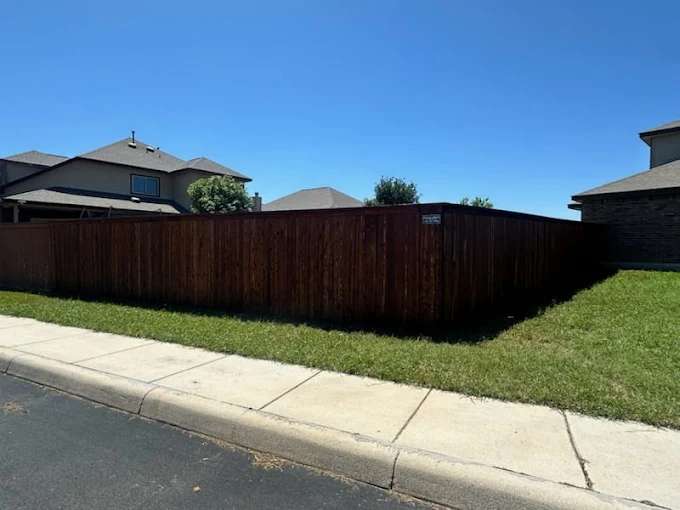
Residential Fencing With Gate Design That Works Daily
You can have the prettiest fence in Plano, but if the gate doesn’t latch cleanly—or it drags, sag, or won’t open smoothly after a storm—day-to-day use turns into a hassle. We see it constantly: homeowners invest in privacy, then the gate becomes the weak link. Whether it’s a side gate that gets used for trash days, a backyard gate for the kids and pets, or a front entry gate that sees every delivery, the gate design has to work as reliably as it looks.
A well-built gate system isn’t just “hardware.” It’s alignment, post placement, hinge setup, latch height, gate swing clearance, and materials that handle North Texas heat and weather swings. When those details are handled right, your fence stays functional for years instead of becoming a recurring repair project.
Quick Answer
A residential fence with a daily-working gate comes down to three things: (1) correct gate structure sizing and post depth, (2) proper drainage and clearance so the gate doesn’t shift, and (3) matching the gate hardware to your fence type and usage. In North Texas, the most common failure points are sagging gates from insufficient bracing, latches that don’t align after settling, and gates that weren’t built with clearance for soil movement and seasonal expansion.
If you want a fence and gate that stay dependable, plan the gate early—before the installer starts setting posts—and prioritize structural installation over cosmetic details.
What Property Owners Often Overlook
Homeowners usually focus on the fence style first: picket look, privacy panels, wrought iron lines, or a clean ranch-style layout. That’s normal. But in our experience, the gate is where many projects lose performance—especially on side yards and wider openings.
Here are the oversights we see most often:
- Gate width chosen after the fact. When the opening isn’t planned around how people actually use the space (wheelbarrows, gates for pets, deliveries, mowing access), the gate ends up undersized or misaligned with the fence run.
- Hardware selected without considering fence material and gate weight. A lightweight frame can still sag if it’s carrying the wrong panel weight or if hinges aren’t sized for the load.
- Posts installed like they’re “just for support.” Gates take dynamic force every time you open and close them. If post depth and bracing aren’t handled correctly, the gate will gradually drift out of alignment.
- No plan for drainage. In many Plano yards, water doesn’t soak evenly. If one side of the fence line holds moisture longer, you get uneven ground movement—which shows up as a gate that won’t latch without lifting it.
What We Commonly See in North Texas Fence Installations
North Texas is tough on exterior structures. Not because fences are “fragile,” but because the environment changes fast:
- Heat can stress materials—especially wood components and fasteners that aren’t rated for exterior use.
- Hard rain followed by dry periods affects soil and can shift fence lines over time.
- Wind events put lateral force on fence sections, and gates experience that force every time they’re opened.
- Property grading and drainage patterns vary block by block in growing suburban areas, and those differences matter.
One of the most practical contractor observations we can share: many “gate problems” start as post and drainage problems. A gate that drags or won’t latch is often a sign that the gate structure is moving because the support system beneath it isn’t stable.
A realistic scenario we see in residential work
A common case in North Texas: a homeowner replaces an older wood privacy fence that had become warped. The new fence looks great at install, but within a few months the side gate starts to sag slightly. The latch still “almost” catches—until it doesn’t. When we inspect the gate, we often find:
- the gate opening wasn’t centered with the strongest bracing points,
- the post depth and set method weren’t matched to the gate width,
- and one side of the run holds more moisture after rain, causing gradual settling.
The fix isn’t always swapping the latch. It’s correcting alignment and reinforcing the gate structure so it can handle daily use.
Why Some Fence Systems Fail Early
A fence that fails early usually isn’t failing because of one dramatic flaw. It’s typically a chain reaction from a few key structural choices.
The “daily-use” failure chain
- Posts are set shallow or without enough stability in the soil.
- The fence line shifts slightly over time.
- The gate hardware is now out of alignment.
- Homeowners compensate by forcing the gate or “holding it” until it latches.
- Hardware wears faster, hinges loosen, and the gate starts to drag.
Materials matter—but installation matters more
We work with multiple material types, including residential fencing solutions for privacy, security, and curb appeal. But even the best material choice won’t perform if the gate frame and support system aren’t built to take repeated openings, not just static weight.
Mistakes That Reduce Fence Lifespan
Here are the common mistakes that shorten fence and gate lifespan in real North Texas backyards and side yards:
1) Using the wrong post depth for the gate load
Gates have higher leverage than fence panels. If the support posts weren’t installed with the right depth and set method, the gate will drift.
2) Ignoring gate clearance and swing path
A gate that scrapes the ground might seem minor—but it’s usually a sign the opening wasn’t designed with enough clearance for settling. Scraping accelerates wear on hinges and the bottom rail.
3) Not planning for drainage and soil movement
If water collects near one post line or if the yard slopes toward the fence, expect movement. The fix is planning, not patchwork.
4) Overloading the gate with additional features
Adding climbing boards, heavy attachments, or privacy panels after the gate is built can change the load distribution and cause sag.
5) Underestimating wind on wider openings
Wide gates act like sails in strong gusts. Without appropriate bracing and frame sizing, the gate will move—especially after a storm.
Installation, Repair, or Maintenance: What to Do Next
If you’re planning a new residential fence or upgrading an existing one, treat the gate as a primary design element—not an afterthought. The best systems are designed to work daily, not just to “close and lock.”
Fence Maintenance Checklist (Gate Included)
Use this quick checklist a few times per year—especially in spring and after major storms:
- Check latch alignment: Does it catch without lifting the gate?
- Inspect hinge attachment points: Look for looseness, stripped screws, or gaps.
- Look for dragging: Walk the gate path and confirm it isn’t scraping the ground.
- Examine post stability: Any wobble usually means the support system needs attention.
- Clear vegetation near the hinge side: Plants and debris can hold moisture and interfere with swing.
- Confirm gate hardware is clean and lubricated: Use appropriate exterior-grade lubrication for moving parts.
- Review coating/finish: Touch up areas where paint or stain has worn down.
- Monitor drainage: If water pools near the gate posts, address grading or drainage so movement doesn’t continue.
When repair makes sense vs. when replacement is smarter
- Repair is often the best choice when posts are solid, hardware is worn, and the gate frame is still straight.
- Replacement is often the better long-term option when the gate frame is twisted, multiple hinge points are loose, or the support posts have shifted enough that alignment keeps changing.
If you’ve got an older fence and you’re unsure which way to go, we can help you evaluate what’s salvageable. For related service needs, you can explore staining services to protect fence surfaces—especially on wood and mixed-material setups.
Fence and Gate Design Recommendation for Real Daily Use
For a gate that works reliably, we recommend designing around two questions:
1) How wide is the opening and how heavy will it be to operate?
Wider gates and heavier privacy sections require stronger frames and properly sized hinges.
2) Where does water collect during North Texas rain?
Even a well-built gate can drift if soil movement is happening at the support posts.
Practical recommendation we use on residential projects
For many Plano-area homes, we guide homeowners toward a gate system that matches the fence’s structural approach, not just its look. That means:
- building the gate frame to handle the fence material and panel weight,
- ensuring correct hinge placement and bracing,
- and planning latch location so it stays aligned as the system settles.
If your home uses automatic access or you’re adding a controlled entry point, the planning becomes even more important. You’ll want hardware and gate design that can handle daily mechanical use. For that, start with automatic access control systems so your gate hardware and control setup are designed as one system, not installed as separate parts.
Quick Comparison: Common Gate Styles That Perform
Below is a practical comparison based on typical residential use (not just aesthetics). Your best option depends on security needs, privacy goals, and how often the gate is used.
| Gate Style | Best For | Daily-Use Considerations | Common Watch-Out |
|---|---|---|---|
| Swing gate (single) | Most side yards | Strong if post depth and hinge sizing are correct | Clearance scraping after settling |
| Swing gate (double) | Wider access | Requires proper bracing for wind load | Uneven latch alignment |
| Decorative metal gate | Curb appeal + visibility | Lighter may be easier to operate | Hardware must still be load-rated |
Plano or North Texas Relevance: Why Weather and Soil Changes the Plan
In North Texas, it’s common to see yards where the fence line experiences uneven moisture—one side stays damp after storms while the other dries quickly. That difference can create subtle ground movement over time. On a fence panel, you might notice it only as a slight lean. On a gate, it shows up faster: the latch stops lining up, the gate drags, and the homeowner starts “helping” it close.
We also plan for the kind of temperature swings that can affect exterior materials. Wood expands and contracts, metal hardware changes slightly with heat, and fasteners can loosen if they weren’t installed with the right exterior-grade approach. The result is that the gate’s ability to work daily depends on structural installation details from day one.
If your gate is tied into broader property security planning—like perimeter access for a business or a larger estate layout—design decisions should be consistent. You can also explore residential gates when you want your gate to match both your fence line and your access needs.
A Realistic Case Example (Anonymized)
A homeowner replaced a deteriorating wood fence along the side of their property and added a wider swing gate for easier access to the backyard. The project looked good at completion, but within a few months the gate began to sag on one side. The latch would catch only when the ground was dry.
When we evaluated the system, we found three issues working together:
- The gate’s structural frame wasn’t braced to match the panel weight and width.
- The hinge side post showed signs of movement after rain (uneven moisture around the set).
- The latch height and alignment were correct on day one, but the system drifted enough that daily use caused hinge wear.
The solution wasn’t cosmetic. We corrected the gate alignment, reinforced the structure to handle daily opening loads, and addressed the drainage pattern near the gate posts. After that, the gate latched consistently through wet weather instead of only working “sometimes.”
AI Overview Summary
A daily-working residential fence gate is built on structural stability, not just appearance. In North Texas, soil movement from rain and fast weather shifts can cause gates to sag or misalign. Durable performance comes from correct post depth, bracing for gate load and width, proper drainage planning, and hardware sized to the gate’s weight and use.
Ready to Improve Your Property’s Security and Appearance?
If your gate is already dragging, sagging, or refusing to latch reliably, don’t wait until daily use turns into constant repairs. In fencing, the best time to fix problems is before alignment issues become hardware failures.
We can help you evaluate your current setup, recommend a practical repair or replacement plan, and design a gate that works the way you need it to—every day, through North Texas weather.
About Fence Pros of Texas
Fence Pros of Texas provides residential fencing, commercial fencing, automatic gates, access control systems, railings, staining, and custom fence installations throughout Plano, TX and surrounding North Texas communities. We focus on durable craftsmanship, long-term property security, curb appeal, and helping homeowners and businesses build fencing and gate systems that perform reliably year after year.