
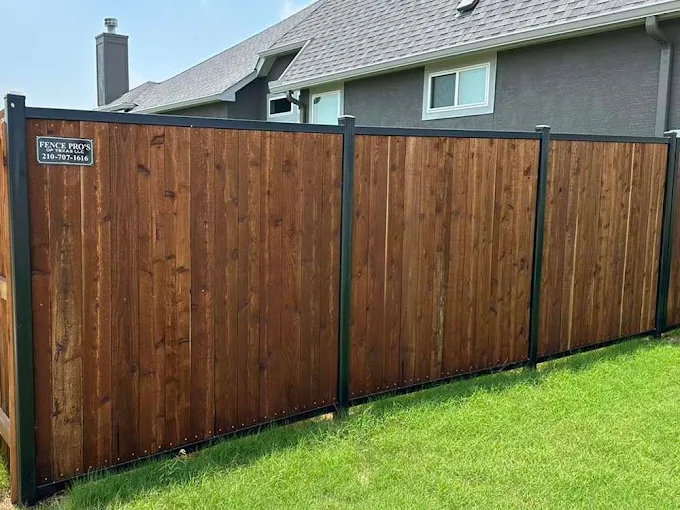
Modern Residential Fencing Styles for Texas Neighborhoods
Your backyard privacy shouldn’t depend on whether the wind is calm or whether the old boards survived last summer. We see it all the time in North Texas: a fence that looked fine during installation starts leaning, gaps open up where you expected solid privacy, and the gate never quite closes the way it used to. For Plano homeowners—especially in fast-growing neighborhoods where properties feel closer than they used to—that “creeping” fence problem is more than cosmetic. It affects privacy, safety for kids and pets, and how secure your property feels day to day.
Below are modern residential fencing styles that work well in Texas neighborhoods, plus what actually makes them last through heat, rain, and occasional storms.
Quick Answer
For modern Texas curb appeal and long-term performance, most homeowners land in one of these directions:
- Aluminum or wrought iron for a clean, low-maintenance look with strong security.
- Vinyl or composite-style panels for privacy with less warping than traditional wood.
- Wood fences for a classic look—when built with correct post depth, proper drainage, and quality hardware.
- Mixed-material designs (for example, metal upper sections with wood or vinyl privacy) for style + function.
In Plano and the surrounding area, the “best” style is the one supported by structural installation details—post depth, drainage, alignment, and gate hardware that matches Texas conditions.
Modern Fencing Styles That Fit Texas Neighborhoods
1) Aluminum Fences: Modern lines without the upkeep
Aluminum has become a go-to for homeowners who want a crisp, modern profile—think straight rails, clean spacing, and a more open feel than full privacy fencing. It’s also a practical choice if you want security without the “closed-in” look.
What we like in real installs: aluminum tends to hold its appearance well in the sun and doesn’t rot like wood. It’s also lighter than wrought iron, which can simplify installation and reduce strain on gate hinges—assuming the posts are set correctly.
If you’re exploring a more modern perimeter look, you may also like our residential options: residential fencing solutions.
2) Vinyl Fences: Privacy with a smoother, contemporary feel
Vinyl is popular for homeowners who want consistent panel appearance year after year. Modern vinyl systems often come with thicker profiles and improved joinery, helping them look more uniform than older styles.
Contractor observation: the vinyl fence itself can be durable, but we often see early problems when the base isn’t planned—especially where water collects at the fence line. In North Texas, the same spot can go from dry to saturated after a storm. If drainage isn’t addressed, posts can shift and the fence line starts to “walk.”
3) Wood Fences with updated details (not “old-school” construction)
Wood still wins for homeowners who love a natural look and want custom design flexibility. The modern upgrade is how the fence is built: better post anchoring, improved hardware, and smarter design around sun exposure and drainage.
A common misconception is that wood fails mainly because “it’s wood.” In reality, wood fence lifespan is strongly influenced by how the posts are installed and how water is managed around them.
4) Wrought Iron: Traditional security with modern spacing
Wrought iron is a classic security material, but modern installations often soften the look with clean patterns, thoughtful spacing, and matching gate design. If you want strong protection and a more architectural look, iron can deliver.
Where it shines locally: properties that need a secure perimeter without losing visibility—especially front yards or corner lots where sightlines matter.
5) Mixed Material Fences: The “best of both” look
Mixed material designs are becoming one of the most requested modern styles. A typical approach is combining privacy lower sections with a decorative metal upper portion—or pairing different materials to match a home’s exterior.
Why it works: it lets you tailor privacy, airflow, and visibility where you actually need them, instead of committing to one material everywhere.
What Property Owners Often Overlook
We focus a lot on what’s above ground, but the problems usually start below it.
Here’s what we commonly see during walkthroughs across North Texas:
- Posts set too shallow: Even a “good” fence will loosen when posts don’t extend far enough for local soil conditions.
- No drainage plan: If water sits at the base, fence lines can lean over time—especially after heavy rain.
- Gate hardware mismatch: A gate can look fine day one and still fail early if hinges, latch alignment, and post reinforcement aren’t designed as a system.
- Fence line pulled tight without accounting for movement: Texas heat expands materials; wood moves with moisture. Tight installs that don’t anticipate movement often develop gaps, misalignment, and rubbing.
Common Mistakes That Reduce Fence Lifespan
Mistake 1: Choosing the right fence style, but ignoring the right post depth
Post depth isn’t a one-size-fits-all number. Soil type, drainage, and how water flows on your property matter. In many Plano yards, the fence line is where runoff naturally collects after storms. If posts aren’t installed with that reality in mind, the fence may start shifting within a season or two.
Mistake 2: Treating gate installation like “just another section”
Gates are load-bearing. They take stress from opening/closing, wind pressure, and everyday use. If the gate post isn’t reinforced properly or if the latch alignment isn’t set for long-term shrink/expansion, homeowners end up with gates that sag or won’t close smoothly.
If you’re considering access improvements, it helps to plan the entire system—especially if you want automation. For gate and access options, see: automatic access control systems.
Mistake 3: Replacing only the visible damage
A broken board or warped panel is often the symptom. The cause is frequently deeper: loosened posts, rotted sections, or misaligned framing. Replacing only what you can see can cost more later.
Mistake 4: Skipping maintenance because the fence “looks fine”
In Texas sun, paint and coatings degrade faster than many homeowners expect. Even vinyl benefits from occasional inspection of hardware and bottom clearance. Wood needs attention to prevent rot at the base.
Installation, Repair, or Maintenance: What to Do Next
Fence Maintenance Checklist (North Texas-ready)
Use this quick checklist to stay ahead of typical issues:
- Inspect gate operation monthly
Look for rubbing, uneven closing, or latch misalignment.
- Check for gaps after big weather changes
Watch for widening gaps that suggest post movement.
- Look at the fence base and bottom rails
If you see soil erosion or water pooling near posts, address it early.
- Confirm hardware is tight
Hinges, brackets, and tension points often loosen with repeated use.
- Plan cleaning before long-term buildup
Dirt and organic growth can trap moisture, especially on wood and mixed-material systems.
- Seasonal wood care (if you have wood)
Recoat/repair as needed based on sun exposure and how often the fence line gets wet.
- Don’t ignore leaning
A slight lean can become structural if posts continue to shift.
For homeowners who want to keep wood and metal looking sharp, you may also want to review staining services as part of a long-term plan.
When to repair vs. replace
A fence can often be repaired when:
- posts are still solid and don’t move by hand,
- the fence line is mostly aligned,
- damage is localized (a panel, section, or hardware).
Replacement makes more sense when:
- multiple posts show movement,
- the fence line is consistently out of plumb,
- rot extends beyond the visible boards,
- gate alignment problems repeat after repairs.
Our Experience Installing Fences in Texas Conditions
One of the most useful insights we can share is this: fence performance is a system, not a single product.
An anonymized Plano project example (real-world scenario)
A homeowner in a Plano neighborhood called us because their privacy fence looked “mostly fine,” but the gate would not close without lifting it slightly. The fence was only a few years old, and the panels looked intact.
When we inspected the gate, we found two issues working together:
1. The gate post reinforcement didn’t match the gate’s leverage, so it had slowly shifted over time.
2. Water collected along the fence line after storms, which loosened adjacent post support and affected alignment.
We corrected the reinforcement approach, re-set the gate hardware for proper travel, and adjusted the surrounding drainage situation. After that, the gate closed smoothly and the latch alignment stayed consistent—something that wouldn’t have happened if we only replaced the latch or a damaged panel.
That’s why we encourage homeowners to think beyond style. The right modern fence still needs a strong foundation.
Plano or North Texas Relevance: Why the Weather Changes the Equation
North Texas weather can be dramatic in short periods. You’ll get intense heat that stresses materials, then periods of heavy rain that create moisture at the fence line. Even if your fence looks stable during dry weather, it can shift after storms due to:
- soil movement and changing moisture levels,
- runoff patterns along property edges,
- wind pressure during thunderstorms.
In many Plano areas, the combination of sun exposure and periodic storms makes post installation and drainage planning the difference between a fence that stays crisp for years and one that starts loosening sooner than expected.
Fence Material Snapshot: What Works Best for Modern Homes
Here’s a practical way to compare common residential options in Texas:
| Material | Best For | What to Watch | Typical Benefit |
|---|---|---|---|
| Aluminum Fences | Modern curb appeal + security | Post depth and gate hardware | Low rust risk, clean look |
| Vinyl Fences | Privacy with minimal upkeep | Drainage and base stability | Consistent appearance |
| Wood Fences | Classic style + custom design | Rot at base, sun wear | Natural look, flexible design |
| Wrought Iron Fences | Security + architectural detail | Coatings maintenance | Strong perimeter feel |
| Mixed Material Fences | Tailored privacy + style | Ensure structural compatibility | Best blend of function/looks |
If you’re weighing options like privacy panels versus open security lines, we can help you map the right design to your yard layout.
Signs Your Fence Needs Repair
Pay attention to these red flags—especially if you’re planning a gate upgrade or adding fencing near a pool area:
- Gate sagging or dragging across the ground
- Fence posts that wobble when pressed gently
- New gaps that weren’t there after installation
- Rails/pickets separating from framing
- Visible leaning that increases after rain
- Rot spots at the base of wood sections
- Loose hardware that keeps recurring after tightening
If you’re unsure whether you’re dealing with fence repair or replacement, it helps to get an on-site assessment. Many homeowners start with a partial fix, then realize structural issues were driving the problem. For broader repair and replacement planning, see residential fence installation guidance and service options.
Quick Recommendation: Choose a Style—and a System
If your goal is modern appearance plus reliable security, a strong starting point for many Plano homes is:
- Aluminum fencing for clean lines and low maintenance, and/or
- Vinyl privacy panels where you want a quieter yard, plus
- A gate built as a system (reinforced post + properly aligned hardware).
If you want a more refined curb appeal, mixed material designs can deliver both privacy and architectural detail without forcing the whole property into one look.
And if you’re upgrading to a gate with automation or access control, plan it early—automation performance depends on gate alignment, structural reinforcement, and reliable hardware setup. For that planning, review residential gates and access options.
FAQ
What fence material lasts longest in Texas heat?
In many North Texas conditions, aluminum and vinyl tend to hold up well against heat and moisture compared to untreated wood. Wrought iron can also last a long time if coatings are maintained. Wood can absolutely perform for years, but it requires the right installation details—especially post depth and moisture management—plus periodic maintenance to prevent rot at the base.
How deep should fence posts be installed in Plano?
Post depth depends on soil conditions and local installation practices. The key is that posts must be set deep enough to resist movement after rain and heat cycles. A qualified contractor will evaluate drainage patterns and soil stability before deciding the depth and reinforcement method rather than relying on a generic number.
Is automatic gate installation worth it for a residential property?
For many homeowners, it is—especially if you want smoother daily access, improved security, or you’re frequently coming and going. The value comes down to planning: the gate must be reinforced correctly, aligned precisely, and paired with suitable hardware. If the gate structure isn’t built for movement and load, automation won’t perform as intended.
Should I repair or replace an aging fence?
If the fence line is still solid—posts don’t move and the gate hardware can be aligned—repairs can be cost-effective. Replacement becomes the better option when multiple posts are loose, rot has spread in wood sections, or the structure is consistently out of plumb. A professional assessment helps you avoid “patching” the wrong problem.
Ready to Improve Your Property’s Security and Appearance?
Modern fencing styles can look fantastic—but the real difference is how the fence system is built and maintained. If you want a privacy upgrade, a cleaner modern look, or a gate that works smoothly through Texas weather, Fence Pros of Texas can help you plan the right materials and installation approach for long-term performance.
About Fence Pros of Texas
Fence Pros of Texas provides residential fencing, commercial fencing, automatic gates, access control systems, railings, staining, and custom fence design and installation throughout Plano, TX and surrounding North Texas communities. The company focuses on durable craftsmanship, long-term property security, curb appeal, and practical homeowner-friendly guidance—so your fence and gate perform well for years, not just for the first season.