
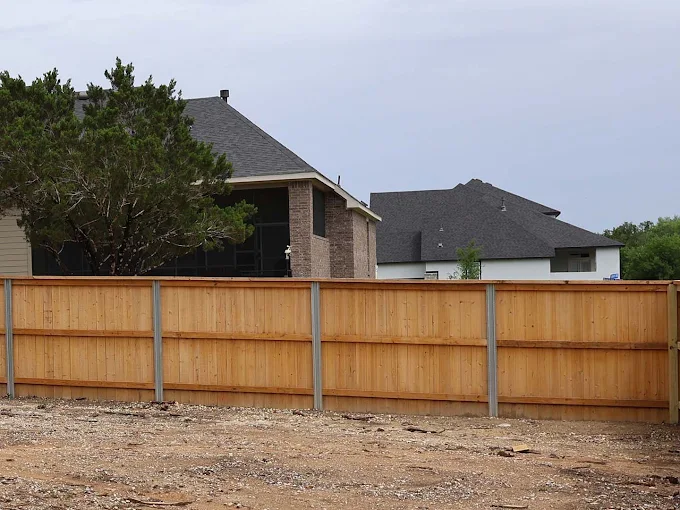
Enhance Outdoor Living with Thoughtful Residential Fencing
In many Plano backyards, fencing isn’t just about looks—it’s what keeps kids and pets where they belong, limits unwanted foot traffic, and gives homeowners a real sense of privacy when the sun is blasting and neighbors are close. We also see plenty of properties where an older wood fence has started to sag or lean, and suddenly the “privacy” problem turns into a security and maintenance problem.
A well-planned residential fence can do all of that—privacy, curb appeal, and perimeter control—without becoming a constant repair project. The difference usually comes down to details: post depth, how drainage is handled, how gates are framed, and whether the material matches North Texas conditions.
Quick Answer
For most Plano homeowners, the best fence results come from matching material to your goals (privacy, visibility, security), then building the system correctly: proper post depth, sturdy bracing, correct spacing, and gate hardware that’s aligned and reinforced. If you want long-term privacy and a clean look, vinyl or wood are common choices; for security with a lighter visual footprint, aluminum and chain link are often the practical route. If you’re considering an upgrade, start by thinking about where water collects, how your soil moves, and how your gate will be used day-to-day.
Residential Fencing That Actually Works (Not Just Looks Good)
When we’re planning a residential install, we start by walking the perimeter and asking homeowners a few practical questions:
- What are you trying to solve? Privacy from nearby windows, keeping pets contained, blocking drive-by access, or just cleaning up an aging boundary.
- How does water behave on your property? In North Texas, runoff and irrigation can quietly undermine fence stability over time.
- How will the gate be used? Daily foot traffic is one thing; deliveries, lawn equipment, or pet movement changes the framing and hardware requirements.
A fence is only as strong as its posts and the system around them. The panels matter, but the “invisible” parts—post set, bracing, alignment, and drainage—are what determine whether your fence stays straight through heat cycles and seasonal soil movement.
Real residential scenario we commonly see
On a lot in a Plano neighborhood with mature trees, a homeowner had an older wood fence that looked fine from the street—until you walked along the side yard. The fence line began leaning in the same section where the sprinkler system oversaturated the ground. The posts weren’t failing overnight; they were slowly losing support because the soil stayed consistently wet and the base couldn’t drain properly. By the time the homeowner called us, the gate latch area had started to misalign, too.
In that kind of situation, simply replacing a few boards doesn’t fix the root problem. The repair strategy often involves resetting or reinforcing posts, improving drainage where needed, and upgrading gate framing so the hardware can do its job.
What Property Owners Often Overlook
Most fencing decisions start with style—wood vs. vinyl, decorative vs. solid privacy. Style matters, but these are the details we see homeowners overlook until problems show up:
1) Post depth without considering soil and drainage
Many fence issues trace back to post support. In North Texas, soil can shift with temperature changes and moisture variations. If posts are set shallow or in consistently damp soil, leaning and loosened hardware tend to follow.
2) Not planning for how gates behave over time
A gate isn’t just a door—it’s a moving structure. If gate posts aren’t reinforced, if the frame is undersized, or if the latch side isn’t properly aligned, the gate will sag or resist closing. That often leads homeowners to “fix” it repeatedly with minor adjustments instead of addressing the structural cause.
3) Expecting privacy panels to work without wind and bracing
Even privacy fences in residential areas still see wind pressure. When fences lack adequate bracing—especially around corners—panels can loosen and posts can rack.
4) Choosing material based on curb appeal alone
Every material performs differently in Texas heat and sun exposure. For example, wood can be a great look, but it requires a realistic plan for maintenance. Vinyl can hold up well visually, but it still needs correct installation to prevent sagging at the panel level.
Mistakes That Reduce Fence Lifespan
Here are the most common “we see this all the time” issues that reduce fence lifespan in North Texas:
- Skipping proper alignment during installation. A fence that’s slightly out of square can look fine at first, but gates and latch points become difficult quickly.
- Using the wrong fasteners or hardware spacing. Over time, poor hardware choices can loosen, especially near gate hinges and latch areas.
- Ignoring drainage around the fence line. If irrigation or runoff pools at post locations, the fence system becomes a slow-motion repair job.
- Overlooking fence line transitions. Slopes, tree roots, and utility easements can create uneven ground. Without a plan, the fence will end up fighting the terrain.
- Replacing boards instead of evaluating the structure. Wood boards can degrade while the posts are still solid—or the opposite. We’ve found homeowners sometimes spend money on boards while the real issue is post movement or gate framing.
Installation, Repair, or Maintenance: A Practical Checklist
If you’re planning a new residential fence—or you’ve inherited an aging one—use this checklist to keep the project grounded in real performance.
Fence Maintenance Checklist (North Texas-friendly)
- Inspect your gate first: Look for sagging at the hinge side, latch misalignment, and gaps that appear after rain or heat.
- Check post stability seasonally: Walk the fence line and look for leaning, loose rails, or movement at the base.
- Review hardware and fasteners: Tighten where appropriate and replace corroded parts on metal components.
- Look for paint/stain wear (wood fences): If the protective coating is thinning, address it before water intrusion accelerates wear.
- Evaluate drainage and sprinkler overspray: Make sure irrigation isn’t saturating the fence line.
- Clear debris near the base: Leaves and standing debris can trap moisture against posts and rails.
- Plan for repairs early: Small issues (like a slightly loose rail) are easier to correct before they turn into post replacement.
Fence repair vs. replacement: how we think about it
When homeowners call about a sagging section, we typically evaluate:
- Are posts moving or just panels/boards?
- Are gate posts misaligned or is it a hinge/hardware problem?
- Is the damage localized (storm-related) or systemic (installation or drainage issue)?
A good repair restores the structural system—not just the appearance.
Wood vs Metal Fencing (and when each makes sense)
Here’s a straightforward way to think about material choices for residential fencing and security in North Texas.
| Material | Best For | Common Strength | Common Planning Need |
|---|---|---|---|
| Wood Fences | Traditional privacy, natural look | Great curb appeal; easy to match styles | Maintenance plan + protection from water exposure |
| Vinyl Fences | Low-maintenance privacy | Strong visual consistency | Correct panel support + correct post setting |
| Aluminum Fences | Decorative security, visibility | Rust-resistant look and clean lines | Choose appropriate pick spacing for your privacy needs |
| Wrought Iron Fences | Classic security + durability | Strong fence presence and long-term stability | Budget for style + planning for coatings/maintenance |
| Chain Link Fences | Practical containment | Effective barrier with airflow | Privacy slats if you want screening |
| Mixed Material Fences | Custom look + performance | Combines strengths (privacy + security) | Requires careful transitions and compatible hardware |
| Pool Fence Installation | Pool safety and code compliance | Clear barrier strategy | Exact gate alignment + self-latching hardware planning |
| Garden Fence Installation | Yard boundaries and plant protection | Flexible containment | Ground prep and drainage around posts |
If you’re aiming for privacy and security together, many homeowners end up happiest with privacy-focused fence design plus a gate system that’s built to last. If you’re unsure what “privacy” means for your property, we typically start by identifying where visibility is coming from—windows, street sight lines, or common walk paths.
Plano and North Texas Relevance: Why Conditions Matter
North Texas has a way of exposing weak fence foundations. Between intense summer heat, occasional heavy rain, and soil movement from seasonal moisture changes, fences can shift faster than homeowners expect.
In Plano specifically, we often see:
- Backyard irrigation and sprinkler overspray that keeps post areas too wet
- Wind pressure on privacy panels that needs bracing and correct post support
- Neighborhood growth and landscaping changes that alter drainage patterns over time
That’s why we don’t treat every fence as a cookie-cutter boundary. We plan around your yard’s realities—especially water and soil behavior—so the fence performs as intended.
Contractor observation from the field
One of the most consistent findings we’ve made: fences don’t usually fail because the material “wasn’t good enough.” They fail because the structure wasn’t designed around the property conditions. When posts are set without accounting for drainage or when gate frames aren’t reinforced for long-term use, the fence begins to rack and the hardware alignment drifts. Homeowners then think they need a new look, when what they need is a stronger system.
Recommendation: Build Privacy + Security with the Right Gate Plan
For residential properties, the gate is often the weak link—literally. If your fence line feels solid but the gate is the trouble spot, the fix is usually structural: stronger hinge-side framing, correct alignment, and hardware matched to the gate size and intended traffic.
If you’re considering upgrading gates, it’s worth reviewing residential gate options and planning for access control needs based on how you use the property. For example, if you’re tired of manual latch adjustments or you want more controlled entry, we can help you think through solutions ranging from traditional residential gates to modern automated systems.
For residential boundary upgrades, you can explore our approach to residential fencing solutions here:
residential fencing solutions
And if your project includes a gate upgrade, start with a look at residential gates we install and support:
residential gates
If you’re also considering a privacy-focused redesign, this guide can help you plan the style and performance balance:
custom privacy fence planning
An Anonymized Project Case (What We Changed and Why)
A homeowner in Plano contacted us after noticing their existing fence had developed a noticeable lean along one side yard. The fence still looked “mostly fine” from a distance, and the boards weren’t completely failing yet. But the gate had started to drag and required constant repositioning of the latch.
Our inspection found two issues working together:
1. Moisture exposure at the post line from an irrigation pattern that hadn’t been adjusted after landscaping changes.
2. Gate framing that wasn’t reinforced enough for the gate’s weight and daily use.
What we did:
- Reset or reinforced key posts in the affected area and adjusted how the fence line handled water runoff.
- Rebuilt the gate framing for better long-term alignment.
- Upgraded the gate hardware so the latch and hinges could maintain proper operation as the system settles over time.
The homeowners’ biggest win wasn’t just that the fence looked better—it was that the gate stopped fighting them. That’s the difference between cosmetic patchwork and a system that’s built correctly.
Ready to Improve Your Property’s Security and Appearance?
Thoughtful residential fencing is one of the highest-impact upgrades you can make—privacy where you need it, containment where you want it, and a cleaner boundary that holds up through North Texas weather.
If you’re dealing with leaning sections, a gate that won’t stay aligned, or you’re planning a full upgrade, the best next step is a professional assessment. We’ll help you choose the right material and build the fence system around your property conditions for long-term performance.
About Fence Pros of Texas
Fence Pros of Texas provides residential fencing, commercial fencing, automatic gates, access control systems, railings, staining, and custom fence installations throughout Plano, TX and surrounding North Texas communities. We focus on durable craftsmanship, long-term property security, curb appeal, and practical guidance so homeowners and businesses can choose fencing and gate solutions that truly last.