
Most homeowners do not actually choose a fence; they react to a problem. The dog keeps getting out, the neighbors feel a little too close, or the HOA sends a letter, and suddenly any fence that fits the budget seems good enough. What gets missed is that different types of residential fencing are built for very different priorities: security, curb appeal, wind control, pet containment, long-term maintenance, and even how your yard feels when you are sitting outside on a summer night in Plano, TX.
Another thing people misunderstand is how much the material and style of a fence affect the daily experience of living with it. A six-foot solid fence will change airflow and shade in your yard. Metal fencing will frame your landscaping differently than wood. Vinyl will handle Texas sun and storms in its own way. Understanding the types of residential fencing is not just about what looks nice on a Pinterest board; it is about how your fence will age, what it will cost you over the next 10–20 years, and how well it fits the way your family actually uses your property. When Fence Pros of Texas helps Plano homeowners, the conversation is less about “wood vs. metal” and more about “how do you want this fence to work for you every single day?”
Before you compare price tags, it helps to understand what each major fencing type is really designed to do and where it shines. From classic wood privacy fences to sleek metal options and low-maintenance vinyl, each category has trade-offs that matter in North Texas weather and soil conditions. Once you grasp those strengths and weaknesses, you can match the fence type to your goals instead of trying to force a one-size-fits-all solution onto your property.
Wood Privacy Fences
When most Plano homeowners picture a backyard fence, they are usually imagining wood. Privacy fences made from cedar or pine are common throughout North Texas because they offer a solid visual barrier, a warm natural look, and a relatively affordable price point. A standard six-foot wood privacy fence is often the choice for families who want to block sight lines from nearby homes, quiet down street noise a bit, and create a defined outdoor room. With wood, you can choose different board styles such as dog-eared, flat-top, or decorative cap and trim to match your home’s architecture.
However, not all wood fences are created equal. The type of lumber, the thickness of the pickets, and the construction method matter a lot in Plano’s climate. Cedar typically outperforms treated pine when it comes to resisting rot, warping, and insect damage, especially in the heat and sun we get in Texas. A properly built wood fence from a company like Fence Pros of Texas will use quality posts, correct spacing, and galvanized hardware to help the structure stay straighter and stronger over time. Skimping on materials might save money on day one but often leads to leaning sections, loose pickets, and early replacement.
Maintenance is the trade-off with wood. To keep a wood fence looking good and standing strong, it should be stained or sealed, ideally within the first year and then periodically afterward. This protective layer helps wood resist moisture, UV damage, and cracking. Some Plano homeowners enjoy the ability to change stain colors over time, while others prefer a lower-maintenance material. If you love the natural character of wood and are willing to invest a bit in upkeep, wood privacy fencing offers one of the most customizable and visually appealing options for residential properties.
Metal Fencing: Iron And Steel
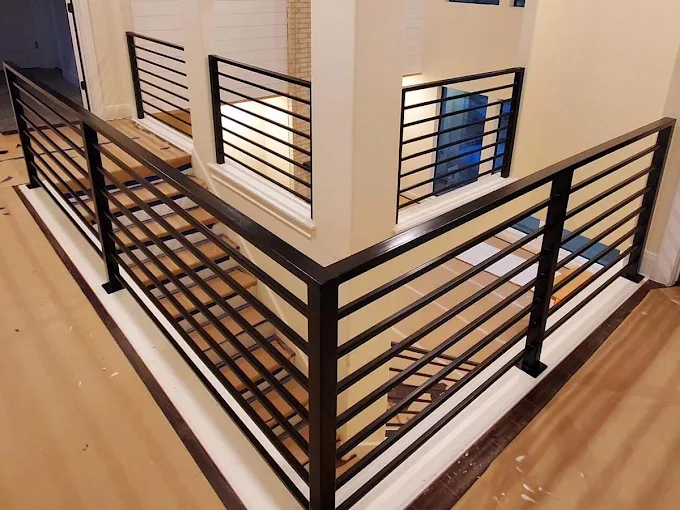
Metal fencing immediately changes the feel of a property. Instead of a solid wall like wood, iron or steel fences create an elegant, open look that allows visibility while still providing a defined boundary. In Plano neighborhoods with scenic views, greenbelts, or community areas, many homeowners choose metal fencing to preserve sight lines and create a high-end appearance. The vertical pickets and decorative finials you see on many North Texas homes belong to this category, commonly referred to as ornamental iron or steel fencing.
There is an important distinction between true wrought iron and modern ornamental steel or aluminum. Traditional wrought iron is heavy, hand-worked, and highly durable, but it is also more expensive and uncommon for full residential perimeters today. Most “iron” fences you see are actually powder-coated steel or aluminum systems designed to mimic that classic look while reducing weight and maintenance. These systems are engineered with consistent spacing, secure welds, and protective coatings to resist rust and weathering. Companies like Fence Pros of Texas help Plano homeowners choose the right grade and style based on security needs, HOA rules, and budget.
Metal fencing excels in several specific applications. Around pools, it provides the required barrier while still allowing parents to see inside the pool area. Along property lines that back up to open space, it defines the boundary without closing in the yard. For homes with dogs that are not prone to digging or squeezing through bars, it can be an attractive containment choice. The main considerations are privacy and cost: metal does not provide visual screening on its own, and higher-quality systems cost more upfront than basic wood. However, the long-term durability and low maintenance make metal an appealing investment for many Plano homeowners seeking a sophisticated, lasting solution. If you are exploring options in this category, you can also look into Wrought Iron Fences for more style inspiration.
Vinyl Fencing For Low Maintenance
Vinyl fencing has grown in popularity in Texas because it offers a combination many homeowners appreciate: it looks clean and consistent, never needs painting, and stands up well to sun and moisture when made from quality materials. Vinyl can mimic the appearance of traditional picket fences, ranch-style rail fences, or full privacy panels, but it will not rot, peel, or attract termites. For busy Plano families who do not want to deal with staining a wood fence every few years, vinyl can be a smart alternative.
One of the advantages of vinyl is color stability. The material is manufactured with pigments and UV inhibitors throughout the product, so scratches do not expose a different color underneath. White is common, but tan, gray, and other neutral shades are also available to coordinate with modern homes. The uniform look of vinyl fencing can give a property a neat, finished feel, especially in newer subdivisions around Plano where consistency is prized. Fence Pros of Texas can help you understand which vinyl products are engineered to handle Texas heat without becoming brittle or discolored.
There are some trade-offs to consider. Vinyl typically has a higher upfront cost than basic wood, and repairs can be more specialized, since panels and components often come from specific manufacturers. While vinyl is strong, it can crack under severe impact, such as a vehicle bump or heavy fallen limb. It also does not have the natural variation of wood, so homeowners who love organic textures may find it feels more manufactured. Still, for those who prioritize a “install it and mostly forget it” fence that stays bright and straight with minimal effort, vinyl is a compelling residential fencing type.
Chain Link And Hybrid Solutions
Chain link fencing is sometimes dismissed as purely utilitarian, but it remains a practical tool in the right settings. For Plano properties where the primary goal is secure containment for pets or defining a boundary on a larger lot, chain link can be cost-effective and durable. Galvanized steel mesh and posts resist rust, and the open weave allows for full visibility and airflow. This can be useful for side yards, alleys, or less-visible areas of a property where appearance is less critical than function.
To improve aesthetics and privacy, homeowners can opt for coated chain link, usually in black or green. The vinyl-coated wire blends better with landscaping and looks more finished than plain silver. Privacy slats can be inserted into the mesh to create partial visual screening, turning a basic chain link fence into a more private barrier. While it will not match the visual appeal of a well-designed wood or metal fence, upgraded chain link can strike a balance between budget and performance, especially in back-of-lot applications.
Hybrid solutions are also increasingly common in Plano. A homeowner might use wood privacy fencing along side yards that face neighbors, then transition to metal or chain link along a rear boundary that faces open land. This approach lets you spend more on the highly visible sections while keeping costs in check elsewhere. Fence Pros of Texas frequently helps homeowners design these mixed-material layouts to meet HOA requirements, pet needs, and budget realities without sacrificing overall curb appeal.
Design, Codes, And Neighborhood Fit
Understanding the types of residential fencing is not only about materials; it is also about how the fence integrates with the rules and character of your neighborhood. In Plano, HOAs often specify allowable fence heights, styles, and colors. Some communities require metal fencing along common areas, while others prefer consistent wood privacy fences. Before falling in love with a particular fence type, it is important to confirm what your subdivision allows. A local contractor like Fence Pros of Texas is familiar with many Plano HOA standards and can help you avoid costly design missteps.
City codes and safety requirements also come into play. For example, pool fences must meet specific height and gate-latching standards. Corner lots may have visibility restrictions near intersections to keep sight lines clear for drivers. There may be rules about how close to the property line you can build or whether the “good side” of the fence must face outward. These regulations can influence which fence types are practical for your property and how they need to be installed.
Beyond rules, there is the question of fit: how does your fence type complement your home’s architecture and landscaping? A traditional brick home might pair beautifully with ornamental metal fencing and brick columns, while a craftsman-style house may look more at home behind a stained cedar fence with decorative top accents. Modern homes often lean toward horizontal wood slats or sleek metal designs. Matching the fence type and style to your home’s character can significantly enhance curb appeal and property value, turning a basic boundary into a design asset.
Choosing The Right Fence For Your Lifestyle
Once you understand the main types of residential fencing, the decision becomes more personal: how do you and your family use your outdoor space? If you have large dogs that jump or dig, you will want a fence type and height that can safely contain them, possibly with reinforcement at the base. If your priority is a quiet, private retreat, solid wood or vinyl privacy fencing will feel very different from open metal designs. For families who love to entertain, the fence becomes part of the backdrop; its look and layout can either enhance or detract from your patio and outdoor living areas.
Maintenance tolerance is another key factor. Some Plano homeowners enjoy weekend projects and do not mind re-staining a fence every few years. Others want the lowest possible upkeep because of busy schedules or rental properties. Being honest about how much time and money you are willing to invest in care will help steer you toward wood, metal, vinyl, or chain link options that make sense. Fence Pros of Texas often walks clients through the “total cost of ownership” conversation, comparing not just installation costs but also expected lifespan and maintenance needs.
Finally, think long term. Fences in Plano face strong sun, occasional storms, shifting soil, and neighborhood changes over the years. A fence that is slightly more expensive upfront but lasts longer and performs better can be a smarter investment than the cheapest short-term option. Understanding the strengths and limitations of each fencing type helps you choose a solution that will still make sense five, ten, or fifteen years from now, instead of becoming a regret you have to replace prematurely.
Frequently Asked Questions
What is the most durable type of residential fence for Plano, TX? In Plano’s climate, high-quality metal fencing (such as ornamental steel) tends to offer the greatest durability with minimal maintenance, especially when it is properly powder-coated to resist rust. Vinyl fencing also performs very well over time, resisting rot, insects, and moisture. Wood fences can be durable if built with quality materials like cedar and maintained with regular staining or sealing, but they generally require more ongoing care than metal or vinyl to achieve a similar lifespan.
Which fence type gives the best privacy from neighbors? Solid-panel fences provide the best privacy, and these are most commonly built from wood or vinyl. A six-foot wood privacy fence with tightly spaced or overlapping boards will block views and create a secluded yard, especially when combined with strategic landscaping. Vinyl privacy panels offer a similar effect with a more uniform appearance and lower maintenance. Metal and chain link fences, by design, allow visibility, so if privacy is your top priority, you will likely focus on wood or vinyl options.
How do I choose between wood and vinyl for my home? The choice often comes down to aesthetics, maintenance, and budget. Wood offers a warm, natural look and more flexibility in style and color through staining or painting, but it requires periodic maintenance to protect against weather and aging. Vinyl provides a clean, consistent appearance and requires very little upkeep, but it has a higher initial cost and a more manufactured look. In Plano, many homeowners choose wood when they want customization and are comfortable with maintenance, and select vinyl when low upkeep and long-term color stability are more important.
Is chain link fencing a good option for residential yards? Chain link can be a very practical option in certain residential situations, particularly for pet containment, side yards, or larger lots where cost is a major consideration. It is durable, low maintenance, and allows full visibility through the fence. To improve appearance, homeowners often choose vinyl-coated chain link in black or green, and may add privacy slats if some screening is desired. While it is not usually the first choice for front-yard curb appeal, it can be an effective and budget-friendly solution for less-visible areas of a property.
Do I need a professional installer, or can I DIY my fence? While small, simple fences can be DIY projects for experienced homeowners, most residential fencing in Plano benefits from professional installation. A pro like Fence Pros of Texas understands local soil conditions, property line issues, HOA and city requirements, and proper construction techniques that help prevent leaning, sagging, or premature failure. Professional installation also ensures posts are set correctly, gates operate smoothly, and the fence type you choose is installed in a way that maximizes its lifespan and performance. For a long-term investment like a fence, expert installation often pays off in fewer problems and repairs down the road.