
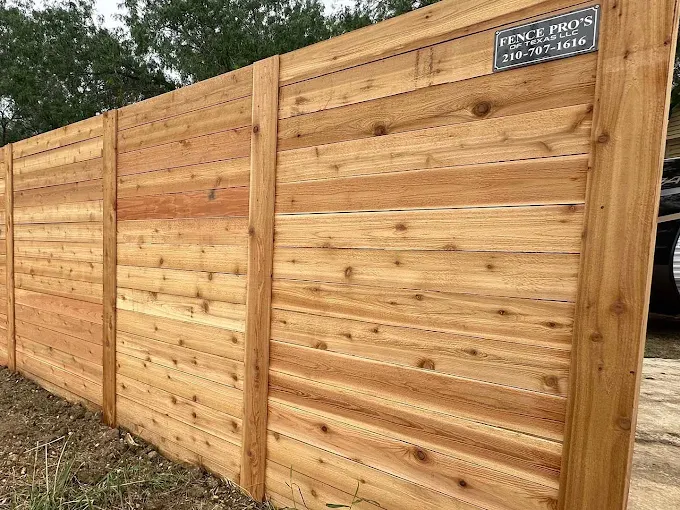
By the time most Plano homeowners start calling fencing companies, they’ve already reached a tipping point. Maybe the dog has escaped one too many times, the neighbors’ renovation has wiped out your privacy, or you’re finally ready to frame that new pool with something safer and more attractive. You know you need a fence, but the moment you start pricing options, the numbers seem to jump all over the place. One estimate is double another. Materials vary wildly. And every upgrade, post style, or gate seems to carry its own price tag. Understanding what really drives the cost of residential fencing becomes just as important as choosing how it looks.
This is where many people in Plano, TX get stuck. They’re not trying to become fence experts; they simply want to make a smart investment without overpaying or cutting corners. But with lumber prices changing, metal costs fluctuating, HOA requirements to satisfy, and local soil and weather conditions to consider, it’s easy to underestimate the true cost of a fence project. When Fence Pros of Texas works with homeowners, the conversation is rarely about “How cheap can we make this?” and more about “What will this fence cost over its full life, and what are my realistic options?”
Taking time to understand fencing costs up front helps you avoid surprises, prioritize features that matter most, and compare estimates on an apples-to-apples basis. Whether you’re considering wood, vinyl, ornamental iron, or Chain Link Fences, knowing how materials, labor, design, and long-term maintenance all fit together will make your decision far more confident. Let’s break down what actually goes into the price of a residential fence in Plano and why two fences that look similar on paper can end up costing very different amounts.
What Really Drives Fence Pricing
Most homeowners expect the type of material to be the main cost factor, and it certainly plays a major role. However, the total cost of a residential fence is actually a combination of several elements: materials, labor, site conditions, design complexity, and long-term maintenance. For example, a simple wood fence with straightforward terrain may be more affordable than a decorative metal fence, even if the per-foot material cost for the metal is only slightly higher. Once you add in the labor to install heavier panels, set deeper posts, or navigate slopes, the difference becomes noticeable.
In Plano, TX, local conditions also influence pricing. Soil composition, for example, affects how deep and wide post holes must be, which directly impacts labor time and concrete usage. Dense clay or rocky areas take longer to dig than softer soils, and that extra effort is built into the estimate. Fence Pros of Texas evaluates each yard rather than applying a one-size-fits-all price, because a 100-foot fence along a flat, open lot is not the same project as a 100-foot fence weaving through tree roots and irrigation lines.
Permits, HOA rules, and city codes are another layer that can quietly affect cost. Certain neighborhoods in Plano have restrictions on height, style, or materials, and meeting these guidelines may require more expensive options or specific hardware. In some cases, adjustments like stepping a fence on a slope or adding decorative elements to satisfy HOA aesthetics can add to labor and materials. When you see a detailed estimate from a professional installer, you’re not just paying for boards and posts—you’re paying for a solution that fits your property, complies with local rules, and performs well over time.
Material Choices And Their Price Ranges
Material selection is often the first big decision, and each option comes with its own cost profile, both upfront and over the life of the fence. Wood remains a popular choice in Plano neighborhoods because of its warm, natural appearance and relative affordability at installation. Cedar and treated pine are common, but they differ in price and behavior over time. Cedar typically costs more initially but resists decay and insects better, potentially saving money on repairs. Pine is often cheaper upfront, but may require more frequent maintenance and may not last as long in harsh conditions.
Vinyl fencing usually carries a higher upfront price than most wood fences, but it offers significant advantages in longevity and low maintenance. You don’t need to paint or stain it, and it resists rot, warping, and insects. Over a 15–20 year period, a vinyl fence can actually be more economical than a wood fence that needs periodic staining, repairs, and eventual replacement. For Plano homeowners who want a clean look and minimal upkeep, vinyl can be an effective “pay more now, save later” option, especially when factoring in the value of your time.
Metal options—such as ornamental iron or aluminum—fall into a similar category. They tend to be more expensive per linear foot but offer durability, security, and an upscale appearance that many Plano communities appreciate. These fences are particularly popular around pools, front yards, and properties where visibility and aesthetics matter. Even within metal fencing, the thickness of the metal, coating quality, and design details (like finials or decorative rails) can shift costs up or down. When working with Fence Pros of Texas, homeowners can see side-by-side comparisons to understand how each material choice will affect both the immediate budget and long-term value.
How Design And Layout Affect Cost
Two homeowners could choose the same material but end up with very different final prices simply based on design and layout decisions. Fence height is one of the most straightforward examples. A 4-foot fence uses less material than a 6 or 8-foot fence, and taller fences often require stronger posts, deeper footings, and more concrete to remain stable in wind. Privacy styles, such as board-on-board or solid panels, use more lumber or vinyl than spaced pickets, increasing material quantity and weight, which in turn affects labor.
Gates are another major cost variable that many people underestimate. A single, standard-width walk gate is relatively simple; a wide double-drive gate or custom decorative entry gate requires more materials, heavy-duty hardware, and careful installation. If you need multiple gates around the property—one for driveway access, one for side-yard access, one for the backyard—the cost of hardware and extra framing adds up quickly. In Plano homes with pools or large backyards, strategic planning around gate placement can balance convenience with budget.
Layout challenges also drive pricing. Fences that run along curved property lines, navigate around trees, or step up and down on steep slopes demand more precise cutting, fitting, and bracing. Corners and transitions between different fence styles (such as switching from privacy fencing to open metal panels along a front yard) introduce complexity. Each of these design choices adds small increments of time and material that can collectively make a noticeable difference in the final estimate. A well-planned design from Fence Pros of Texas helps you understand where you can simplify without sacrificing function or curb appeal.
Labor, Installation, And Hidden Expenses
Labor is often the least visible part of a fence estimate but can account for a significant share of the total cost. Professional installers bring experience in setting posts correctly, aligning panels, handling obstacles, and ensuring the fence remains straight and stable for years. In Plano’s climate, with hot summers, occasional storms, and shifting soil, properly set posts and secure fasteners are critical. A fence that looks fine on day one but begins to lean or warp after the first big storm quickly becomes a more expensive problem than doing it right the first time.
Site preparation is another aspect that affects labor costs. Removing old fencing, hauling away debris, trimming vegetation, and navigating around existing structures all take time and equipment. If an old fence has concrete footings that must be removed, or if tree roots complicate digging, the labor hours increase. These tasks may not be glamorous, but they are essential to the longevity and appearance of the new fence. It’s wise to clarify with your installer what is included in the estimate so you’re not surprised by additional charges for demolition or cleanup.
Then there are the small but necessary components that homeowners don’t always think about: concrete, fasteners, brackets, post caps, and gate hardware. While each item may seem minor, collectively they add up. Higher-quality hardware costs more but performs better and lasts longer, especially in the Texas heat and occasional moisture. Fence Pros of Texas typically specifies these details clearly so you understand that you’re not just buying boards and posts—you’re investing in a full system designed to stand up to local conditions. Transparent labor and material breakdowns help you see where every dollar goes.
Long-Term Ownership Costs
The initial price tag is only part of the financial story. Maintenance, repairs, and eventual replacement all factor into the true cost of residential fencing. Wood fences, for example, typically require staining or sealing every few years to maintain appearance and protect against moisture and UV damage. If you hire a professional for this, it becomes a recurring expense; if you handle it yourself, it still costs time, tools, and materials. Over a decade, these maintenance cycles can approach or even exceed the original installation cost, depending on fence size and product quality.
Vinyl and metal fences have higher upfront costs but much lower ongoing maintenance. You may occasionally rinse them off, check for loose fasteners, or touch up minor scratches on metal, but you won’t be sanding, staining, or replacing as many boards. In areas of Plano where sprinklers, pools, or heavy sun exposure are constant, low-maintenance materials can save substantial effort and money over time. This is why Fence Pros of Texas often walks homeowners through a “total cost of ownership” comparison instead of focusing solely on the initial quote.
Repairs are another part of the long-term cost equation. Storm damage, shifting soil, or accidental impact can require section replacements or gate adjustments. Some fence systems are easier and cheaper to repair than others. For example, panelized systems may allow for replacing individual panels rather than rebuilding large sections. Choosing durable posts and hardware from the start, and ensuring proper installation, reduces the frequency and severity of these repair needs. Thinking past the first year and envisioning how your fence will perform over 10–20 years helps you decide where to invest more today to avoid unexpected expenses tomorrow.
Budgeting And Comparing Estimates Wisely
Once you understand the components of fence costs, building a realistic budget becomes much easier. Start by clarifying your priorities: Is privacy your top concern? Do you need a secure perimeter for kids and pets? Are you aiming to boost curb appeal for resale? Your priorities influence material choice, height, and design complexity. From there, you can work with a company like Fence Pros of Texas to develop a few different scenarios—such as a basic functional fence, a mid-range balance of aesthetics and durability, and a premium low-maintenance option—each with a clear price range.
When you receive multiple estimates, it’s important to compare more than just the bottom line. Look closely at what each quote includes: material type and grade, post spacing, depth of concrete footings, number and type of gates, hardware quality, and cleanup. One estimate may appear cheaper because it uses thinner posts, fewer rails, or lower-grade materials that won’t hold up as well in Plano’s environment. Another might include premium hardware and more robust construction that, while slightly more expensive, delivers better long-term value. Asking questions about these details is not nitpicking; it’s how you protect your investment.
Finally, consider timing and phasing. If your ideal fence stretches your budget, you might explore installing the most critical sections first—such as backyard privacy or pool safety—and completing other areas later. Some homeowners in Plano also choose to mix materials: a more decorative front fence paired with a simpler, cost-effective style along side and back property lines. Working with an experienced local installer gives you flexibility and guidance in tailoring the project to your budget without sacrificing safety or essential functionality.
Frequently Asked Questions
How much does a typical residential fence cost in Plano, TX? Costs vary widely based on material, height, design, and yard conditions, but many residential fences in Plano fall into a range of several thousand dollars for a standard suburban lot. Wood privacy fences are often on the lower to mid end of that range, while vinyl and ornamental metal typically cost more upfront. The most accurate way to know your cost is to have a professional like Fence Pros of Texas measure your yard, assess site conditions, and provide a detailed, line-item estimate.
Which fencing material gives the best long-term value? The best value depends on your priorities. If you want the lowest initial cost and a traditional look, wood may be your best fit, provided you’re willing to maintain it. If you prefer minimal maintenance and a long service life, vinyl or metal often provide better long-term value despite higher upfront costs. In Plano’s climate, materials that resist moisture, sun damage, and shifting soil tend to deliver the most reliable performance and lowest lifetime cost.
Why do estimates from different fence companies vary so much? Differences in estimates often come down to material quality, construction methods, labor assumptions, and what is included in the scope of work. One company might use thicker posts, more concrete, and premium hardware, while another uses lighter materials and less robust installation practices. Some estimates include removal of old fencing, permits, and cleanup; others do not. When you compare quotes from Fence Pros of Texas and other installers, always review the details so you’re comparing similar levels of quality and service.
Can I reduce costs without sacrificing too much quality? Yes, there are several ways to manage costs while maintaining a solid, reliable fence. You can choose a simpler design, reduce the number of gates, or use a combination of materials—such as a more economical style along less visible property lines. You might also opt for a mid-grade material rather than the most premium option. A knowledgeable installer can help you identify where simplifications are safe and where cutting corners could lead to higher repair or replacement costs later.
How do I know if my fence quote is detailed enough? A good fence quote should specify material type and grade, fence height and style, total linear footage, number and type of gates, post spacing, footing details, hardware specifications, and what is included in site preparation and cleanup. If any of these items are vague or missing, ask for clarification before you sign. Fence Pros of Texas typically provides clear, written estimates so Plano homeowners understand exactly what they are paying for and can make informed decisions about their project.