
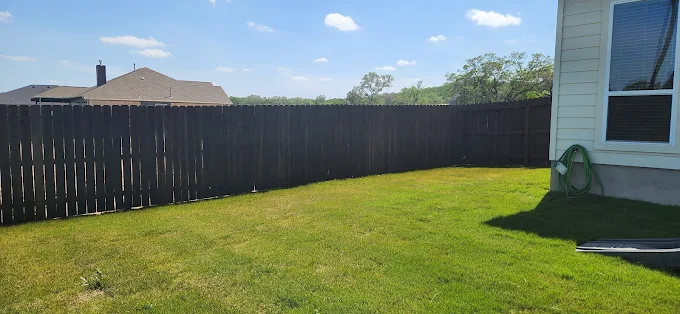
Have you ever walked past a house and felt that the fence alone told you everything about the people who live there—how private they are, how they care for their property, and even their sense of style? Residential fencing is one of those features that quietly shapes your daily life, yet it’s often an afterthought until you’re forced to make a decision. When you finally reach that point—whether you’re building, buying, renovating, or simply tired of a worn-out barrier—you quickly realize there is far more to “just putting up a fence” than meets the eye.
Understanding residential fencing for your specific needs means looking beyond basic material choices and color swatches. It involves thinking about how you live, what you value most (privacy, safety, aesthetics, budget, or all of the above), and how Plano’s climate and neighborhood standards will affect your options. For homeowners in Plano, TX, working with a local specialist like Fence Pros of Texas can make the difference between a fence that simply stands there and a fence that actively works for you—day after day, year after year.
Instead of starting with “What kind of fence looks nice?” a better question is “What do I need this fence to do for me?” Once you understand your goals, you can match them with the right materials, height, style, and layout. That’s the essence of understanding residential fencing for your needs: aligning purpose, performance, and appearance so your fence becomes a long-term asset rather than a recurring headache.
Clarifying Your Fencing Goals
Before you compare wood to metal or ask about costs, start by clarifying what problem your fence should solve. Many Plano homeowners have multiple goals at once: they want their kids and pets secure, they want to block the view from busy streets or neighboring windows, and they want the property to look polished from the curb. Writing down your top three priorities can be surprisingly helpful when you talk with Fence Pros of Texas, because it gives clear direction from the start.
Think carefully about privacy. Do you want to sit in your backyard without feeling like you are on display? If privacy is a top concern, solid-panel fencing that eliminates gaps will likely be a priority, along with a height that complies with Plano regulations while still giving you the seclusion you want. On the other hand, if your home backs up to a scenic area or you enjoy chatting with neighbors over the fence line, a more open style like ornamental steel or spaced pickets might be a better fit.
Security is another major goal that can reshape your fencing decisions. Families with young children or energetic dogs often need fences that are difficult to climb, dig under, or squeeze through. This may mean choosing certain post depths, tighter picket spacing, or reinforced gates with self-closing latches. Plano’s mix of cul-de-sacs, busier streets, and greenbelts means each property has its own security profile. Fence Pros of Texas can walk the property with you and help you identify weak points where a more robust design is necessary.
Lastly, don’t underestimate the importance of aesthetics. Your fence frames your entire yard; it’s visible from the street, from your windows, and often from neighboring homes. A style that clashes with your house architecture can be distracting, while a thoughtfully chosen design can actually increase perceived home value. Understanding your needs means weighing beauty alongside function, not treating it as an afterthought.
Material Choices And Their Tradeoffs
Once you know what you want your fence to accomplish, the next step is choosing a material that aligns with those goals and with Plano’s environment. Each material has its own strengths, weaknesses, maintenance needs, and price range. There is no single “best” fence material; there’s only the best match for your property and lifestyle.
Wood is a classic choice in Plano neighborhoods, especially for privacy fencing. It offers a warm, natural look that many homeowners love, and it can be stained or painted to complement your home’s exterior. However, wood also requires ongoing maintenance, particularly in Texas where heat, sun, and occasional storms can cause warping or fading. If you choose wood, understanding the type (such as cedar versus pine), the expected lifespan, and the recommended maintenance schedule is crucial to avoid disappointment down the road.
Metal options, such as ornamental steel or aluminum, are excellent for those prioritizing security and durability without completely blocking the view. These fences are strong and resistant to pests and rot, making them a long-lasting choice around pools, front yards, or properties that back onto green spaces. They provide a sophisticated, open look, but they do not offer much privacy. If privacy becomes more important later, homeowners sometimes pair metal fencing with landscaping, using hedges or shrubs to soften the view.
Vinyl has grown in popularity for Plano homeowners who want low-maintenance fencing with a clean, polished appearance. It doesn’t require painting or staining, and it resists warping, rotting, and insect damage. Solid vinyl panels can provide excellent privacy, while decorative styles can create a more open look. If you’re curious about this option, you can learn more about Vinyl Fences and how they perform in Texas weather. The key with vinyl is working with a reputable installer like Fence Pros of Texas who uses quality materials and proper installation methods, so your fence doesn’t sag or discolor prematurely.
Design, Height, And Layout Decisions
Beyond material, your fence’s design, height, and layout will determine how well it meets your needs. A six-foot privacy fence in the backyard may be perfect for creating a secluded retreat, but that same height in the front yard could violate city codes or overpower your home’s façade. Plano has specific guidelines on fence height, placement, and sometimes even style, particularly in communities with homeowners’ associations.
Design details such as board orientation, decorative tops, and post caps can significantly change the character of your fence. For example, a horizontal board fence can create a modern, sleek look, while a traditional vertical board design feels more classic and familiar. Adding trim boards or a decorative top rail can make a standard privacy fence look more custom. When Fence Pros of Texas reviews options with you, they can show how small design changes affect both cost and appearance.
Layout planning is equally important. Consider where you truly need fencing and where you might use natural boundaries or existing structures instead. Some Plano homeowners fence only the backyard to preserve an open, welcoming front yard, while others opt for a low decorative fence in the front for visual interest. Gate placement is another critical detail: you’ll want convenient access points for lawn care, trash bins, pool maintenance, or walking paths. Poorly placed gates can become daily annoyances, while thoughtfully placed ones make life easier.
It’s also worth thinking about transitions between different fence types or heights on a single property. A tall privacy fence along a busy road can be combined with a shorter, more decorative fence along a side yard. Creating intentional transitions with corner posts or step-down sections keeps the look cohesive while addressing different needs on different sides of the property.
Considering Climate, Maintenance, And Longevity
Plano’s climate plays a bigger role in fence performance than many homeowners realize. Hot summers, intense sun, occasional heavy rains, and shifting soil can all affect how long a fence lasts and how much attention it requires. Understanding residential fencing for your needs means asking not just “How will this look when it’s new?” but “How will this look and function five or ten years from now?”
Wood fences in North Texas benefit from quality installation and proper sealing or staining. Without these, boards can twist, crack, or discolor more quickly. Regular maintenance—such as resealing every few years—extends the fence’s life and keeps it attractive. If you know you’re not likely to stay on top of maintenance, you might lean toward materials like vinyl or metal that demand less ongoing care, even if the upfront cost is slightly higher.
Soil conditions can affect post stability. Plano’s clay-heavy soil can expand and contract with moisture changes, putting stress on fence posts. Professional installers like Fence Pros of Texas understand how deep to set posts, what type of concrete to use, and how to design the fence to minimize long-term movement. This underlying structural work is often invisible to the homeowner but critical for a fence that stays straight and solid.
Longevity is also about planning for how your household might change. If you expect to add a pool, adopt more pets, or create a garden area, thinking ahead can save you from partial tear-outs or major modifications later. Discuss future plans with your installer so they can recommend designs that adapt easily, such as adding sections or changing gate locations when your needs evolve.
Budgeting And Value, Not Just Price
When homeowners in Plano start gathering quotes, it’s natural to focus on price. However, understanding residential fencing for your needs means looking at overall value: how long the fence will last, how much maintenance it will require, how it impacts your property’s appeal, and whether it truly solves your initial goals. A lower bid that uses thinner materials, shallow posts, or poor hardware can become more expensive over time as repairs and replacements accumulate.
Break your budget thinking into two parts: upfront installation cost and lifetime ownership cost. Upfront cost includes materials, labor, permits, and any removal of existing fencing. Lifetime cost includes maintenance (staining, painting, repairs), potential early replacement if a cheaper material wears out quickly, and even the intangible cost of frustration if the fence doesn’t function as you hoped. Fence Pros of Texas can help you compare scenarios, such as a mid-range wood fence with regular staining versus a higher-cost, low-maintenance vinyl or metal fence.
Also consider the value your fence adds to everyday life. A secure yard where your children and pets can play freely, a private patio where you can relax without feeling watched, and a cohesive look that enhances your home’s architecture all contribute to quality of life. These benefits are harder to put in a spreadsheet, but they often justify investing a bit more in the right fence rather than settling for the minimum.
Finally, be transparent about your budget when you consult with Fence Pros of Texas. A clear number helps guide material choices, design simplifications, and phasing options. In some cases, you might fence the most critical areas first and expand later, ensuring that each phase is done correctly rather than cutting corners across the entire project.
Working With A Local Fencing Expert
Fencing is one of those projects where local expertise matters. Plano, TX has its own building codes, neighborhood norms, and environmental factors that affect what will work best. A company like Fence Pros of Texas, familiar with these specifics, can anticipate issues you might never consider on your own—from property line clarifications and HOA approvals to drainage patterns that could affect post placement.
During an on-site consultation, a good fencing professional will listen more than they talk at first. They’ll ask about your goals, how you use your yard, what you liked or disliked about any previous fence, and how long you plan to stay in the home. They’ll walk the property, look for potential challenges, and then suggest a few tailored options instead of pushing a one-size-fits-all solution. This collaborative approach is essential to ensuring the final fence truly reflects your needs.
Communication throughout the project also matters. From clarifying timelines and permitting to explaining how the crew will access your yard and handle existing landscaping, a professional installer should keep you informed. After installation, they should walk the fence line with you, explain any maintenance recommendations, and address questions about gates, hardware, or warranty coverage. That final walkthrough is where you can confirm that what you envisioned at the beginning has become reality in your yard.
Ultimately, the goal is not just to install a fence, but to create a long-term improvement to your property. When you partner with an experienced local team, you gain guidance at every step—from understanding your own needs more clearly to making confident material and design choices that will serve you well in Plano’s unique environment.
Frequently Asked Questions
How do I decide which type of fence is best for my Plano home? Start by listing your top priorities: privacy, security, appearance, low maintenance, or a combination. Then consider how you use your yard—do you have pets, children, a pool, or outdoor entertaining areas? With these answers, a professional like Fence Pros of Texas can recommend materials and designs that align with your goals and budget. They’ll also factor in Plano’s climate, soil conditions, and local regulations so your choice is practical as well as attractive.
What fence height should I choose for privacy and security? For most backyards in Plano, a fence around six feet tall provides good privacy and a sense of security. However, local codes and HOA rules may limit fence heights, especially in front yards or on corner lots. The right height also depends on neighboring structures—if a two-story home or raised deck overlooks your yard, you may need strategic placement or landscaping to enhance privacy. A site visit from Fence Pros of Texas can help determine the most effective and compliant height for your specific property.
How much maintenance will my fence require over time? Maintenance needs vary by material. Wood typically requires the most care, including periodic staining or sealing to protect against sun and moisture. Vinyl and metal options are generally lower maintenance, needing only occasional cleaning and inspections for damage. When you choose a fence, ask about the expected maintenance schedule and costs over ten years, not just the installation price. That way, you can plan ahead and avoid unpleasant surprises.
Do I need a permit or HOA approval before installing a fence? In many cases, yes. The City of Plano has regulations regarding fence height, placement, and sometimes materials. Additionally, homeowners’ associations often have their own guidelines about style, color, and location. Before installation, Fence Pros of Texas can help you understand what approvals are required and may assist with documentation or drawings. Getting permits and HOA sign-off in advance prevents delays, fines, or the costly need to modify or remove a non-compliant fence.
How long will a new residential fence typically last? The lifespan of a fence depends on the material, installation quality, and how well it is maintained. A properly installed and maintained wood fence in Plano might last 10–15 years or more, while metal and vinyl fences can often exceed 20 years. Factors like soil stability, exposure to sprinklers, and sun intensity also play a role. Choosing quality materials and a reputable installer like Fence Pros of Texas is one of the most important steps in ensuring your fence remains sturdy, functional, and attractive for as long as possible.