
The first time a delivery truck clipped the corner of the parking lot fence, the property manager knew the quick, cheap solution they had installed years ago was no longer working. Tenants were complaining about security, the fence looked worn and unprofessional, and repair costs were adding up. When the owner asked, “What kind of fence should we put in this time so we don’t have to keep fixing it?”, the question turned out to be more complicated than it sounded. Security, appearance, city codes, budget, and even wind patterns in that open Plano parking lot suddenly mattered.
That scenario plays out across commercial properties every day: retail centers looking to reduce theft, warehouses trying to control access, office parks wanting a modern look, and industrial facilities needing serious perimeter protection. Understanding the different types of commercial fencing is not just a design decision; it directly affects risk, liability, customer perception, and long-term maintenance costs. When you know what each fence material and style actually does best, you can match your investment to real-world needs instead of guessing.
For business owners and property managers in Plano, TX, the variety of options can feel overwhelming at first: chain link, ornamental iron, aluminum, vinyl, wood, composite, and specialized security fences all claim to be “durable” and “secure.” But the reality is more nuanced. Each type of fence behaves differently in Texas weather, carries different maintenance requirements, and sends a different message to customers and employees. That’s where working with a local installer like Fence Pros of Texas makes a difference—they can help translate the theory into practical solutions that fit the property, the neighborhood, and local regulations.
Security First: Chain Link Fencing
When most people picture a commercial fence, chain link is usually the first image that comes to mind. There is a reason it’s so common around warehouses, industrial yards, and utility areas: chain link offers a strong mix of visibility, durability, and cost-effectiveness. The open weave allows employees, security staff, and even law enforcement to see into the property, which can be a major deterrent to theft or vandalism. That visibility also improves safety in busy areas, such as around loading docks and vehicle yards, where blind corners can be dangerous.
From a budget perspective, chain link is often the most economical way to secure a large perimeter. The material itself is cost-effective, and installation is relatively efficient for experienced crews. In Plano, where many commercial properties sit on sizable lots, chain link can deliver reliable security without overwhelming the budget. It is also highly customizable: property owners can choose different heights, gauges (wire thickness), coatings, and mesh sizes based on security needs. For higher-risk sites, adding barbed wire or razor wire at the top significantly increases intrusion resistance.
However, chain link is not perfect for every application. On a retail frontage or professional office building, some owners feel that plain chain link looks too industrial or unfinished. It can also allow dust and debris to blow through freely in open areas, which might matter near outdoor storage or display spaces. To address appearance and privacy, many Plano businesses use privacy slats or wind screens woven through the mesh. These can add color, branding, and partial privacy, though they introduce more wind load, which must be accounted for in post sizing and installation techniques. Fence Pros of Texas can help balance these factors so the fence stays standing through Texas storms.
Ornamental Iron And Steel Solutions
When the priority is combining security with a refined, professional look, ornamental iron and steel fencing stands out. These fences are often seen around office complexes, upscale retail centers, medical campuses, and multi-family communities where curb appeal matters as much as perimeter control. Unlike chain link, ornamental systems use rigid panels with vertical pickets and rails, creating a clean, architectural appearance that can complement modern or traditional building designs.
Ornamental iron and steel fences are not just about looks; they provide a strong physical barrier. The vertical pickets, often with spear tops or decorative finials, make climbing difficult. Panels are typically welded or mechanically fastened for strength, and heavier-gauge materials can withstand substantial impact. In Plano, where some commercial properties border busy roads, a well-installed ornamental fence can handle incidental contact better than lighter, residential-grade options. When paired with controlled-access gates, they also integrate smoothly with electronic security systems and entry controls.
Maintenance is an important consideration. Traditional iron can rust if not properly coated and maintained, especially in areas with irrigation overspray or standing water. Modern ornamental systems often use galvanized steel with durable powder-coat finishes to resist corrosion and fading. For a business that wants the look of iron without constant upkeep, this is a major advantage. Local installers like Fence Pros of Texas understand which coatings and specifications hold up best in North Texas conditions and can recommend the right product line for each application.
Design flexibility is another benefit. Ornamental fences can be customized with decorative elements, custom colors, and matching gates to reinforce a brand image or architectural theme. While the upfront cost is higher than chain link or basic wood, many Plano property owners view ornamental fencing as an investment in the long-term value and image of their site. In areas where customers and clients form first impressions as they drive by, that visual impact can be worth every dollar.
Aluminum, Vinyl, And Low-Maintenance Options
Some commercial properties need a fence that looks polished but does not demand extensive maintenance or painting over the years. This is where aluminum and vinyl fencing come into play. Both materials are designed to resist rust, rot, and insect damage, making them attractive for properties where staff time and maintenance budgets are limited. For example, a medical office, daycare, or HOA-managed commercial area in Plano may prefer a fence that simply needs occasional cleaning rather than ongoing repairs.
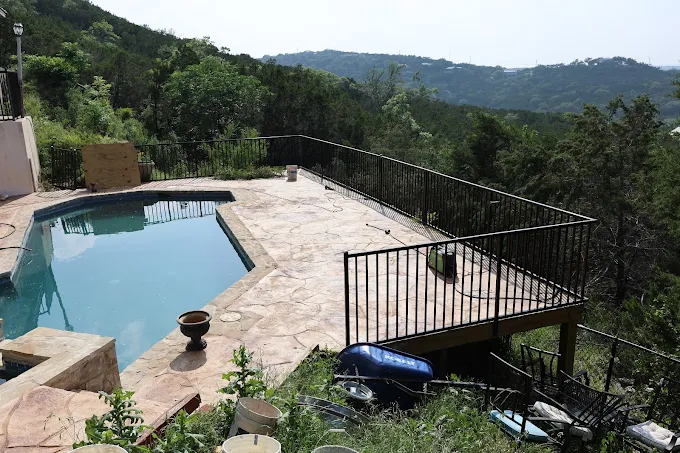
Aluminum fencing often mimics the appearance of ornamental iron but is lighter and naturally corrosion-resistant. Powder-coated aluminum panels can maintain their color and finish for many years, even under strong Texas sun. While aluminum is not as strong as heavy-gauge steel in terms of impact resistance, it is usually adequate for low- to medium-security applications such as pool enclosures, decorative perimeters, and controlled areas where vehicle collisions are unlikely. For businesses near Plano’s residential neighborhoods, aluminum can provide a visually appealing transition between commercial structures and nearby homes.
Vinyl fencing, on the other hand, excels at privacy and noise buffering. Tall vinyl panels can completely block views into storage yards, dumpsters, or service areas that businesses would rather keep out of sight. This is especially useful for restaurants, retail centers, and service providers who want a clean, tidy presentation to the public while still keeping functional areas accessible. Vinyl does not need painting and resists fading, though very dark colors can absorb more heat. It is also easy to clean with mild soap and water, which helps maintain a crisp appearance over time.
However, both aluminum and vinyl have limitations. Neither is ideal where very high security or heavy industrial use is required. They can be damaged by severe impact more easily than steel or concrete-based systems. The key is matching material to purpose: Fence Pros of Texas often recommends aluminum or vinyl for front-facing, customer-visible areas and reserves heavier-duty materials for back-of-house, high-risk zones. This layered approach allows Plano property owners to balance aesthetics, function, and budget across the same site.
Wood And Composite Fencing For Privacy
While wood is more commonly associated with residential properties, it still has a place in certain commercial settings, particularly where privacy and a warmer, more natural appearance are desired. Small offices converted from homes, boutique retail spaces, and businesses that want an inviting, less industrial presence sometimes choose wood fencing for courtyards, patios, or side yards. In Plano, where some commercial corridors blend into established neighborhoods, wood can help a business visually “fit in” with its surroundings.
The main advantage of wood is its versatility in design. Boards can be installed vertically or horizontally, in shadowbox or solid styles, and can be stained or painted to match branding or architectural themes. This flexibility allows property owners to create unique spaces—such as outdoor dining areas or employee break patios—that feel more like an extension of the interior than a utilitarian enclosure. For smaller sections of fencing, the cost of wood can also be reasonable compared to some synthetic materials.
The tradeoff is maintenance and longevity. Wood is vulnerable to rot, warping, insect damage, and color fading, especially in hot, sunny climates like North Texas. Without regular sealing, staining, or painting, a wood fence can deteriorate more quickly than metal or vinyl options. For this reason, many commercial clients who like the look of wood are now considering composite fencing, which combines wood fibers with plastic resins to create a more stable, low-maintenance product that still has a natural appearance.
Composite fences generally offer better resistance to moisture and insects and maintain their color longer than traditional wood. They tend to be heavier and more substantial, which can help with noise reduction and privacy. The upfront cost is higher, but for Plano businesses that want a long-lasting, attractive privacy solution without ongoing maintenance headaches, composite can be a smart long-term investment. A knowledgeable installer can walk you through the pros and cons of each option based on how exposed the area is and how much traffic it will see.
High-Security And Specialized Fencing
Some commercial properties require more than just a standard perimeter fence. Facilities such as data centers, distribution hubs, utility sites, and certain medical or industrial operations may need high-security systems that actively deter and delay intruders. In these cases, fencing becomes part of a multi-layered security strategy that might include surveillance cameras, access control, lighting, and even intrusion detection systems integrated into the fence itself.
High-security fences often use heavier-gauge steel, tighter mesh patterns, anti-climb designs, and greater height. Features like angled tops, barbed wire, or razor wire can further discourage attempts to scale the fence. In Plano’s commercial and industrial zones, these systems are particularly relevant where valuable inventory is stored outdoors or where regulatory requirements demand strict control over who can access certain areas. The design must also consider local building codes and community standards so that the property remains compliant and reasonably compatible with its surroundings.
Another category of specialized fencing includes safety and code-driven applications. Pool enclosures, sports facilities, and playgrounds often require specific heights, latch mechanisms, and spacing between pickets to meet safety regulations. Around mechanical equipment or hazardous areas, OSHA or industry-specific rules may dictate guardrails, barriers, or special signage. In these contexts, choosing the wrong type of fence is not just a visual or cost issue—it can create liability and inspection problems.
Working with a local contractor like Fence Pros of Texas helps ensure that these high-security and specialized systems are not only robust but also correctly designed to meet regional requirements. Plano’s growth and diversification mean that many different business types now operate in close proximity; a thoughtful fencing plan can help maintain safety and security without creating an eyesore or friction with neighboring properties.
Matching Fencing To Your Plano Property
Choosing the right commercial fence is ultimately about alignment: aligning the fence type with your security needs, your brand image, your maintenance capacity, and your budget. A warehouse on the outskirts of Plano will not have the same priorities as a medical office near a residential neighborhood or a retail center along a busy corridor. Understanding the strengths and limitations of chain link, ornamental metal, aluminum, vinyl, wood, composite, and high-security systems allows you to make decisions that actually serve your business instead of relying on generic recommendations.
Local conditions also matter more than many property owners realize. Soil type affects how deep posts must be set to avoid shifting or leaning. Wind exposure influences panel style and post spacing. Sun exposure can determine which finishes and colors will hold up best over time. Plano’s mix of open, windy areas and more sheltered urban environments means that what works on one side of town may not be ideal on another. Experienced installers have seen how different fence types perform over years of Texas weather and can guide you accordingly.
Another important factor is how your fence will interact with gates, access control systems, and other site features. Vehicle gates, pedestrian access points, fire lanes, and drainage patterns all need to be considered in the design. A strong fence with a weak gate is an open invitation to problems, and a well-built fence that blocks proper drainage can lead to erosion or flooding. A comprehensive plan looks at the property as a whole rather than treating the fence as a disconnected add-on.
For Plano businesses, partnering with a company like Fence Pros of Texas means having a team that understands both the technical and practical sides of commercial fencing. They can help you compare options, plan for future expansion, and phase projects if needed to spread out costs. Whether you need cost-efficient chain link, elegant ornamental metal, privacy-focused vinyl, or specialized security systems, the goal is the same: a fence that does its job reliably, looks appropriate for your property, and stands up to everyday use and Texas weather.
Frequently Asked Questions
How do I decide which type of commercial fence is best for my property? Start by listing your priorities in order: security level, privacy, appearance, budget, and maintenance tolerance. Consider what you are protecting, who needs access, and how visible the fence will be to customers or the public. Then discuss these factors with a local installer who knows Plano’s codes and conditions. They can compare options like chain link, ornamental metal, vinyl, and composite against your specific needs and help you design a solution that balances performance and cost.
Is chain link fencing secure enough for my business? For many applications, yes. Properly installed chain link with the right height, wire gauge, and, if needed, barbed wire or razor wire can provide strong perimeter security. It is especially effective for large lots, industrial yards, and utility areas where visibility is important. However, if you require a higher level of intrusion resistance or want a more polished appearance for customer-facing areas, you might combine chain link in the rear with ornamental or other materials in front. A professional evaluation of your site’s risk level will help determine whether chain link alone is sufficient.
What are the benefits of ornamental metal fencing compared to other options? Ornamental metal offers a combination of strength, security, and visual appeal that many commercial properties find ideal. It is harder to climb than some other fence types and can be integrated with automated gates and access control systems. At the same time, it projects a professional, upscale look that can enhance curb appeal for offices, retail centers, and multi-family properties. Modern coatings and materials reduce maintenance needs, making it a durable long-term choice for Plano businesses.
How much maintenance do vinyl and aluminum fences require? Vinyl and aluminum fences are popular for their low maintenance requirements. They do not rust, rot, or attract insects, and they generally do not need painting. Routine care usually involves occasional cleaning with water and mild soap to remove dirt or stains. While they can be damaged by severe impact, they typically hold up very well to everyday conditions, especially when installed correctly. For property owners who prefer to minimize ongoing upkeep, these materials can be an excellent option.
Can I get a secure fence that still looks attractive? Yes. Many modern commercial fencing systems are designed to deliver both security and aesthetics. Ornamental steel or aluminum, privacy vinyl, and certain composite systems can all be configured to provide controlled access and deterrence while maintaining a clean, professional appearance. Details like fence height, picket spacing, gate design, and color can be tailored to your brand and site. Products such as Wrought Iron Fences are a common example of how security and style can work together on commercial properties in Plano and surrounding areas.