
The first thing you notice isn’t the house; it’s the fence. Sun-faded boards leaning into the yard, gray and tired from Texas heat, with water stains creeping up from the soil line. Maybe it was rich cedar once, framing your Plano backyard like a picture, but now it blends into the background in the worst way. You’ve added patio furniture, planted shrubs, maybe even updated your siding, yet the fence still drags the entire space down.
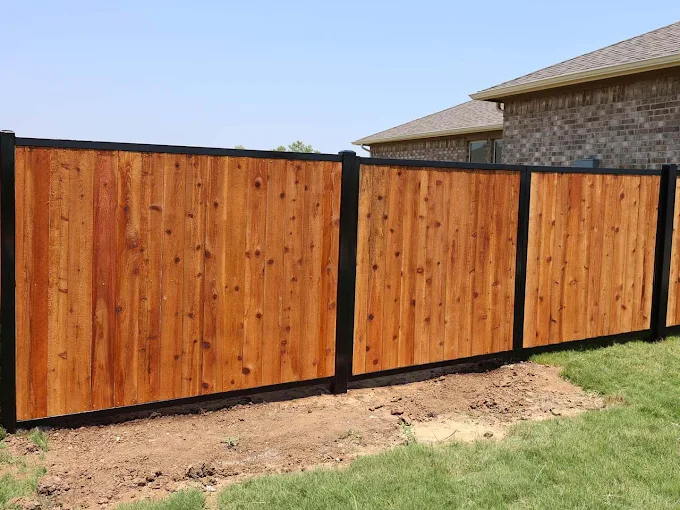
Then you see the difference at a neighbor’s place. Their fence has a warm, even tone, the grain of the wood shows through, and the whole yard suddenly feels intentional and finished. Nothing structural has changed, but the stained fence makes their landscaping look more vibrant, the patio more inviting, and the home itself more polished. That’s the power of fence staining: it doesn’t just color wood; it transforms the whole feel of your outdoor space.
For homeowners in Plano, TX, where strong sun, sudden storms, and clay soil all work against exposed wood, fence staining is less of a cosmetic luxury and more of a strategic upgrade. When done correctly by professionals like Fence Pros of Texas, staining becomes a way to protect your investment, define the character of your property, and create a backyard you actually want to spend time in. It’s one of the simplest ways to completely change the mood of your outdoor living area without major construction.
Why Staining Changes Everything
People often think of fence staining as “just adding color,” but it goes much deeper than that. Stain penetrates the wood, soaking into fibers and bonding with the material in a way paint never can. Instead of sitting on top and peeling over time, a quality stain becomes part of the fence itself. This bond helps resist moisture, slow down warping and cracking, and protect against the intense UV exposure that Plano experiences for much of the year. In other words, staining is both a design choice and a long-term maintenance strategy.
Visually, a stained fence creates a sense of continuity in your yard. Raw, weathered lumber often looks patchy and chaotic: some boards go gray, others stay yellow, and newer repairs stand out like mismatched puzzle pieces. Staining evens out those differences, giving you a consistent backdrop. That clean, cohesive look makes your plants, furniture, and architecture stand out more clearly. Think of your fence as the frame around a painting; when the frame is upgraded, the whole picture looks better.
There’s also a psychological element. A rich, walnut-toned fence can make a yard feel cozy and enclosed, ideal for evening gatherings or a private retreat. A lighter, natural cedar stain can brighten a smaller Plano yard, making it feel more open and airy. When you select the right tone and opacity, you shape how the space feels when you step outside, and that has a real impact on how often you use it and how much you enjoy it.
Protection From Texas Weather
Plano’s climate is tough on wood. Long stretches of sun, heat that bakes the surface of your fence, and occasional heavy rains all combine to break down unprotected boards. UV rays degrade the lignin that holds wood fibers together, leading to graying, splintering, and a rough texture. Water seeps into cracks and end grain, causing swelling, shrinking, and eventually rot. Left untreated, even a well-built fence can start to look worn out in just a few seasons.
A professional-grade stain acts like sunscreen and a raincoat for your fence. The pigments in the stain help block UV light, slowing down the graying process dramatically. At the same time, the oils and resins repel water, so moisture has a harder time penetrating the wood. This dual protection is especially important in North Texas, where a single year can bring blazing summers, sudden downpours, and occasional cold snaps that stress every exposed surface around your home.
Fence Pros of Texas understands these local conditions because they work in them every day. Instead of using one-size-fits-all products, they choose stains formulated for longevity in hot, sunny climates. Proper surface preparation and application techniques ensure the stain penetrates evenly and cures correctly, which means you don’t just get a fresh look for a few months—you get extended life for the fence itself. That translates into fewer repairs, less board replacement, and a better return on the money you’ve already spent building the fence.
Designing A Look That Fits Your Home
One of the most enjoyable parts of fence staining is choosing the look you want. In Plano, you’ll see everything from deep espresso tones that complement modern architecture to warm reddish hues that pair beautifully with brick homes. Stain comes in different levels of opacity: transparent, semi-transparent, semi-solid, and solid. Each behaves a little differently in terms of how much of the wood grain shows through and how strongly the color presents.
Transparent and semi-transparent stains are ideal if you love the natural character of your wood and want the grain to remain visible. These are popular for newer cedar fences, where the wood itself is attractive and you mainly want to enrich the color and protect it. Semi-solid and solid stains provide more coverage and color uniformity, which can be great for older fences with imperfections or mixed boards. They also offer stronger UV protection because they contain more pigment.
Fence Pros of Texas can help you evaluate your existing fence, your home’s exterior colors, and your landscaping to recommend stains that make everything work together. For example, a light tan brick home with cool-toned stonework might benefit from a neutral, slightly grayish-brown stain that ties the elements together. A warm red brick house might look best with a honey or chestnut tone that echoes those warm notes without competing. When you approach fence staining as part of an overall design strategy, your yard stops feeling like a random collection of features and starts feeling like a planned outdoor living environment.
Boosting Curb Appeal And Property Value
Real estate agents in Plano will tell you: buyers notice fences. A worn, gray, leaning fence can subconsciously signal neglect, even if the interior of the home is immaculate. Conversely, a solid, freshly stained fence creates an impression of care and pride. That first impression matters when it comes to appraisals, showings, and perceived value. You may not be listing your home now, but every upgrade you make should ideally support your property value in the long run.
Staining is a relatively modest investment compared to building a new fence, adding a patio, or redoing landscaping, yet it has an outsized impact on how the property looks. A clean, rich color line around the perimeter frames your yard, makes grass and plantings appear greener and healthier, and visually tidies up the entire scene. It’s similar to how a fresh coat of paint transforms a room—except in this case, it’s visible from the street and to anyone who steps into the backyard.
In competitive neighborhoods across Plano, small differences can sway a buyer’s perception. A well-maintained, stained fence suggests the rest of the home has been looked after with the same attention. Even if you’re staying put, you benefit from that daily satisfaction every time you drive up or step outside. It’s a subtle but powerful way to feel good about your property without undertaking a major renovation.
DIY Versus Professional Staining
On the surface, fence staining looks simple: buy some stain, grab a brush or sprayer, and start coating boards. In reality, the difference between a quick DIY job and a professional application often shows up within the first year. Uneven absorption, lap marks, drips, missed areas near posts, and poor surface prep can all lead to a blotchy finish and premature fading or peeling. Once that happens, fixing it usually requires stripping and redoing the work, which is time-consuming and costly.
Professional staining from a company like Fence Pros of Texas starts with evaluation and preparation. That may include power washing to remove dirt and mildew, allowing proper drying time, and addressing any loose or damaged boards. The team considers the age and type of wood, previous coatings, sun exposure, and even how water drains around the fence line. All of these factors affect which products will perform best and how they should be applied.
Application itself is also more technical than it seems. Professionals know how much product the wood will reasonably absorb, how to avoid over-application that leads to sticky surfaces, and how to work systematically so the finish is even from top to bottom. They also have the right equipment to reach tight spaces and work efficiently, which is especially important for larger Plano properties or corner lots. The result is not only better-looking; it’s also more durable, meaning you won’t be revisiting the project again in a year or two.
Integrating Fences With The Rest Of Your Yard
Fence staining doesn’t happen in isolation. It’s part of a bigger conversation about how you use your outdoor space and what you want it to feel like. In some Plano backyards, the fence is a dominant visual element, towering over smaller lawns and patios. In others, it’s a subtle backdrop behind trees, flower beds, and outdoor kitchens. The color and finish you choose should support the way you live outside, not fight against it.
If your yard is a family play zone with bright toys, a trampoline, and a pool, a warm, medium-tone stain can add balance and calm without making the space feel too formal. If you’ve created a sleek, modern retreat with clean lines and minimal plantings, a darker, more uniform stain can reinforce that contemporary aesthetic. Fence Pros of Texas can walk you through how different tones will behave in direct sun, shade, and evening lighting so you don’t end up surprised once the job is finished.
While many Plano homeowners are also exploring low-maintenance options like Vinyl Fences, those with existing wood fences can still achieve a polished, high-end look through thoughtful staining. With the right color and professional application, a wood fence becomes an asset instead of a maintenance headache. It supports your landscaping, complements your home’s architecture, and helps define outdoor “rooms” for dining, relaxing, or entertaining.
Frequently Asked Questions
How often should I have my fence stained in Plano, TX? In Plano’s climate, most wood fences benefit from staining every 2–4 years, depending on the type of stain, sun exposure, and the condition of the wood. Transparent and lighter stains may need more frequent touch-ups, while semi-solid and solid stains tend to last longer. Fence Pros of Texas can assess your specific fence and suggest a maintenance schedule that keeps it protected without overdoing it.
Can an old, gray fence still be transformed with stain? Yes, in many cases an older, weathered fence can be dramatically improved. The key is proper preparation: cleaning, addressing mildew, and sometimes light sanding or repairs. Once the surface is ready, a carefully chosen stain can even out the color, hide many imperfections, and restore richness to the wood. While it may never look exactly like brand-new lumber, the visual upgrade is often surprising and can extend the life of the fence significantly.
What is the best time of year to stain a fence in North Texas? The ideal time is when temperatures are moderate and there’s minimal chance of rain for at least 24–48 hours. In Plano, spring and fall are typically the best seasons, but early summer and mild winter days can also work if conditions are right. Professional crews monitor weather closely to ensure the stain has time to penetrate and cure properly, which is crucial for longevity and an even finish.
Will staining help with warping and cracking boards? Staining cannot reverse existing warping or cracks, but it can slow down the processes that cause them. By limiting moisture absorption and providing UV protection, a quality stain helps stabilize the wood. This means fewer new cracks, reduced cupping, and less twisting over time. For boards that are already significantly damaged, Fence Pros of Texas may recommend selective replacement before staining so the final result is both attractive and structurally sound.
Is there a big difference between clear sealers and colored stains? Clear sealers provide basic water resistance but little to no UV protection, which is a serious drawback in sunny Plano. That’s why clear coatings often lead to gray, weathered fences even if the wood is technically sealed. Colored stains, especially semi-transparent and semi-solid varieties, contain pigments that block UV rays while still allowing the wood to breathe. For most homeowners, a tinted stain is a better long-term choice for both appearance and protection.