
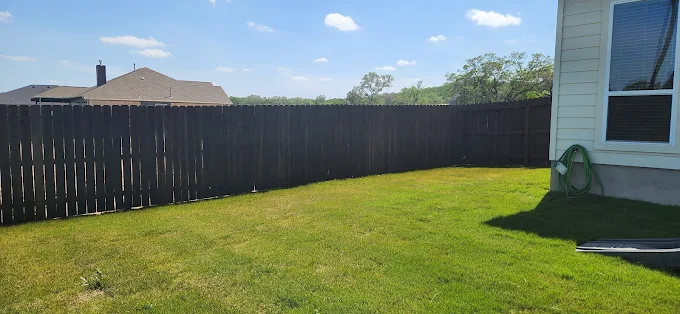
Many homeowners in Plano only really notice their fence when something is wrong with it: a leaning post after a storm, peeling paint that makes the whole yard look tired, or a gate that suddenly refuses to latch when you’re rushing out the door. By the time these problems are obvious, the damage is usually past the quick-fix stage and edging toward a costly repair or full replacement. The truth is, most fencing issues don’t appear overnight; they build slowly over months and years when routine maintenance is pushed to the bottom of the to‑do list.
Maintaining your residential fence doesn’t have to be complicated or time‑consuming, but it does need to be intentional. A few smart habits, spaced out through the year, can dramatically extend the life of wood, vinyl, metal, or composite fencing. In a city like Plano, TX, where you get intense sun, occasional hail, high winds, and the occasional ice storm, fences are constantly under stress. The right maintenance plan keeps your fence looking sharp, keeps your property secure, and protects the investment you’ve already made.
Fence Pros of Texas works with homeowners across Plano who are often surprised at how much life can be brought back to a fence with a bit of expert care. Whether your current fence is brand new or has been standing for a decade, knowing how to maintain it—what to watch for, when to act, and which tasks you can handle yourself—will save you money and headaches. Let’s walk through practical, realistic tips you can start using this season.
Know Your Fence Material
Before you can maintain your fence properly, you need to understand what it’s made of and what that material is vulnerable to. Wood, vinyl, ornamental iron, chain link, and composite fences all behave differently in Plano’s climate. Wood can crack and warp under the Texas sun, vinyl can become brittle over time, and metal can develop rust if protective coatings fail. Each type has its own maintenance schedule and preferred products.
If you purchased your home with an existing fence, it’s worth taking a close look to identify the species of wood or the exact style of metal or vinyl. Cedar, for example, naturally resists rot and insects better than pine, but it will still gray and dry out if it’s never sealed. Galvanized chain link stands up well to moisture, but cut ends, hardware, and gates are common rust points. Fence Pros of Texas often helps Plano homeowners identify their fence material and condition so they can plan realistic upkeep instead of guessing.
Once you know your material, you can tailor maintenance accordingly. Wood benefits from stain and sealers, vinyl prefers gentle cleaning and UV protection, and metal needs rust prevention and occasional paint touch‑ups. Skipping this step and treating every fence the same is a common mistake; it can lead to using harsh chemicals or the wrong cleaners that do more harm than good. A few minutes of inspection and research can prevent years of premature wear.
Seasonal Inspections And Quick Fixes
One of the most powerful maintenance habits you can adopt is a simple seasonal inspection. In Plano, aim for at least two thorough walk‑arounds per year: once in early spring after winter weather, and once in late fall after the big summer heat. You’re not doing major repairs during these checks; you’re looking, listening, and lightly testing the fence to catch small issues before they escalate.
During your walk‑around, look for loose or missing screws, nails backing out of wood boards, cracked pickets, leaning posts, sagging rails, and any signs of rot or rust. Gently push on each section of the fence to see if it feels solid or wobbly. Open and close the gate several times and listen for grinding, scraping, or sticking. Make notes or take pictures of anything that seems off. Small problems like a slightly leaning post or a warped board are far cheaper to handle now than after a storm finishes the job.
Once you’ve identified issues, prioritize quick fixes that you can safely do yourself. Tighten loose hardware, replace a few damaged pickets, and lubricate gate hinges and latches. If you see a post that is significantly leaning or a section that feels unstable, that is the time to call a professional like Fence Pros of Texas rather than waiting. Addressing structural problems early keeps the entire line from shifting or collapsing and can often avoid a full replacement.
Cleaning For Curb Appeal And Longevity
Dirt, mildew, pollen, and pollution accumulate on fences over time, especially in a suburban environment like Plano where irrigation overspray and landscaping debris are common. Cleaning your fence is not just about aesthetics; buildup can trap moisture against wood, encourage mildew on vinyl, and hide early signs of rust or decay on metal. A yearly or twice‑yearly cleaning routine can add years to your fence’s life.
For wood fences, avoid aggressive pressure washing at close range, which can gouge the surface and open the grain to more moisture. Instead, use a moderate pressure setting or a garden sprayer with a fence‑safe cleaner. Scrub gently with a soft brush, rinse thoroughly, and allow the fence to dry completely before applying any stain or sealer. Cleaning reveals the true condition of the boards, making it easier to spot soft spots, cracks, or insect damage.
Vinyl fences are relatively low maintenance, but they show dirt and algae more visibly. A bucket of warm water with mild dish soap and a soft cloth or brush is often enough. For tougher stains, use a vinyl‑approved cleaner and avoid abrasive pads that can scratch the surface. Metal fencing, including ornamental iron and chain link, benefits from a hose rinse and spot cleaning in areas that collect lawn chemicals or road grime. For specialty products like Corrugated Metal Fences, follow manufacturer guidelines or consult Fence Pros of Texas to avoid damaging protective coatings.
Protecting Against Weather And Moisture
Plano’s weather patterns are hard on fences. Intense sun, sudden temperature swings, heavy rain, and occasional ice all stress materials in different ways. Proactive protection against moisture and UV damage is crucial, particularly for wood fences that naturally expand and contract with weather changes. Without a protective barrier, boards can crack, warp, and decay much faster than homeowners expect.
For wood fencing, a high‑quality exterior stain or sealer is one of the best investments you can make. Transparent or semi‑transparent stains penetrate the wood, offering UV protection while highlighting the grain. Solid stains act more like paint, providing a strong barrier but changing the look. In Plano, where sun exposure is significant, you may need to reapply every 2–4 years depending on product quality and exposure. Always clean and dry the fence thoroughly before sealing so you don’t trap moisture inside the wood fibers.
Moisture management also involves what’s happening around the base of your fence. Avoid stacking mulch, soil, or landscaping materials directly against fence boards or posts, which can keep them wet and encourage rot. Make sure sprinkler heads are adjusted so they aren’t soaking the fence every morning. For metal fences, check coatings regularly and touch up any chipped paint or damaged galvanization before rust spreads. Fence Pros of Texas often helps Plano homeowners correct grading issues or drainage patterns that quietly damage fence posts over time.
Landscaping Around Your Fence
Landscaping can either protect your fence or slowly destroy it, depending on how it’s managed. Vines climbing up a wood fence may look charming, but their roots and moisture retention can cause serious damage. Overgrown shrubs and trees can push on fence panels, trap moisture, and hide problems until they become severe. A thoughtful buffer zone between your plantings and your fence line goes a long way toward longevity.
Start by trimming back any vegetation that touches or leans on the fence. Tree branches rubbing in the wind can scrape off paint or stain, while dense shrubs keep the fence from drying out after rain or irrigation. For wood fences, this constant dampness accelerates rot and invites insects. For vinyl and metal, it can promote mildew and corrosion. Aim for several inches of air space between plants and the fence to allow for airflow and easy inspection.
If you like the look of greenery near your fence, consider planting low‑maintenance, non‑climbing shrubs a short distance away and using mulch or stone directly along the fence line. This creates a visual frame without direct contact. Be especially cautious with aggressive vines like ivy or wisteria, which can infiltrate gaps, pull boards apart, and add significant weight. Fence Pros of Texas often sees damage in Plano yards where decorative plants were allowed to grow unchecked for a few seasons; a little pruning each year prevents that scenario.
Knowing When To Call A Professional
There is a clear line between DIY maintenance tasks and repairs that are safer and more cost‑effective when handled by professionals. Tightening screws, cleaning, light sanding, and applying stain are within reach for many homeowners. But when you’re dealing with leaning posts, large sections that have shifted, widespread rot, or rusted structural components, it’s time to involve a fence expert like Fence Pros of Texas.
Replacing a single cracked picket is simple; resetting a rotted post set in concrete, however, requires the right tools, techniques, and safety precautions. If a portion of your fence is leaning, there may be problems underground with the footing, soil movement, or hidden rot that you can’t see from the surface. Attempting a temporary fix—like bracing it with random lumber—may hold for a while but can fail suddenly, especially in high winds.
In Plano, many older neighborhoods have fences that are approaching the end of their natural lifespan. A professional assessment can help you decide whether targeted repairs will buy you several more years or whether your money is better spent planning a replacement. Fence Pros of Texas can also recommend design or material upgrades that reduce future maintenance, such as switching from standard pine to cedar, or from basic chain link to coated metal options that better withstand local conditions.
Frequently Asked Questions
How often should I stain or seal my wood fence in Plano? In Plano’s sunny climate, most wood fences benefit from staining or sealing every 2–4 years. The exact interval depends on the quality of the previous product, how much direct sun your fence receives, and the type of wood. A quick test is to sprinkle water on the boards; if it soaks in instead of beading up, it’s time to reapply. Before staining, always clean the fence and let it dry fully to ensure good adhesion and protection.
What’s the best way to clean a vinyl fence without damaging it? Use a mixture of warm water and a mild dish soap, applied with a soft cloth or soft‑bristled brush. Rinse thoroughly with a garden hose. For stubborn stains like algae or mildew, choose a vinyl‑safe cleaner and follow the manufacturer’s directions. Avoid abrasive pads, metal brushes, and harsh solvents, as they can scratch or dull the surface. Regular light cleaning in spring and fall is usually enough to keep vinyl fences in Plano looking fresh.
How can I tell if a leaning fence post needs replacement or just reinforcement? A minor lean after a storm may be corrected if the post and the surrounding wood are still solid and the concrete footing is intact. If the base of the post feels soft, crumbles when probed with a screwdriver, or moves significantly when you push it, that’s a sign of rot or structural failure. Posts that are severely leaning, cracked, or loose in the ground typically need professional replacement. Fence Pros of Texas can inspect the post, check the footing, and recommend the safest, most durable fix.
Are plants and vines always bad for fences? Not always, but they must be managed carefully. Low shrubs planted a short distance from the fence can be perfectly fine if they’re trimmed regularly and don’t press against the boards or panels. Climbing vines, however, can trap moisture, add weight, and work their way into joints and gaps, especially on wood fences. If you love the look of greenery, consider using a separate trellis near the fence rather than letting vines attach directly to it.
When is it more cost‑effective to replace a fence instead of repairing it? If more than about 25–30% of your fence sections are damaged, rotted, or leaning, or if posts are failing across multiple areas, replacement often becomes more economical than repeated repairs. Age matters too: a 20‑year‑old wood fence with widespread rot is unlikely to gain many more years from patchwork fixes. A professional evaluation from Fence Pros of Texas can help you compare the cost of extensive repairs against a new installation and choose the option that makes the most long‑term sense for your Plano property.