
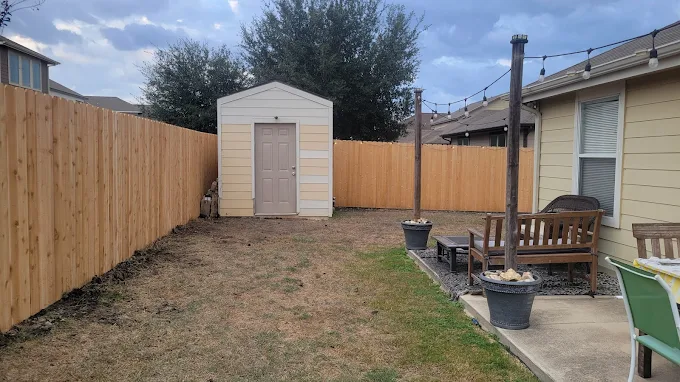
The first time most homeowners notice their fence is in trouble, it’s usually not during a calm weekend. It might be after a North Texas thunderstorm has rolled through Plano, the wind has pushed a few posts out of alignment, and you suddenly realize the once-straight line of your fence now has a noticeable lean. Or maybe you step into the yard and see peeling paint, warped pickets, or rusted hardware that seemed to appear overnight. In that moment, it becomes clear that a fence isn’t just a background detail—it’s a major part of your home’s security, privacy, and curb appeal, and it demands consistent care.
Residential fence care is often treated like an afterthought, but in a climate like Plano’s—with intense sun, soil movement, and occasional severe weather—neglect can shorten the life of a fence by years. The best practices for fence maintenance aren’t complicated, but they do require a bit of planning and a willingness to inspect, clean, and repair before problems become emergencies. When you keep up with these tasks, you not only protect your investment but also avoid costly full replacements that could have been prevented with timely attention.
Fence Pros of Texas has seen how dramatically proper care can extend the lifespan of wood, metal, and composite fences across Plano neighborhoods. From small repair calls to complete restorations, one theme shows up again and again: the fences that last the longest belong to homeowners who pay attention early and act consistently. By understanding what your specific fence material needs, how local conditions affect it, and what a realistic maintenance schedule looks like, you can keep your fence looking sharp and standing strong for many years.
Know Your Fence Material
Effective residential fence care always starts with understanding what your fence is made of. A cedar privacy fence in Plano doesn’t age the same way as a galvanized steel fence or a vinyl perimeter fence, and applying the same care routine to each can lead to disappointing results. Wood, for example, is highly responsive to moisture and UV exposure, which means staining and sealing are crucial. Metal may resist rot, but it can be vulnerable to rust and corrosion if protective coatings fail. Vinyl doesn’t rot or rust, but it can become brittle or discolored without proper cleaning and UV protection.
Wood fences are especially common in Plano, TX, and they bring a warm, natural look to residential properties. However, untreated or poorly maintained wood will absorb moisture, crack as it dries, and eventually warp or split. The best practice for wood fence care includes periodic cleaning, re-sealing or re-staining every few years, and checking for signs of insect damage around the base of posts. Cedar and redwood offer natural resistance to decay, but even these species benefit from a protective finish that blocks UV rays and repels water.
Metal fences, including steel, iron, and aluminum, require a different strategy. They are generally lower maintenance than wood, but they still need attention to prevent rust, especially at welded joints, fasteners, and areas where the protective coating has been scratched. Regular inspections to catch small rust spots early, followed by gentle sanding and touch-up paint, are far more effective than waiting until corrosion has spread. For homeowners considering durable, low-maintenance options, products like Aluminum Fences can offer an excellent balance of strength, style, and simple upkeep.
Vinyl and composite fences have their own care profiles. They won’t rot or attract termites, but they can accumulate mildew, algae, and surface dirt that dulls their appearance. Gentle cleaning with mild soap and water, combined with periodic checks for cracks or loose components, usually keeps them in top condition. Understanding these material-specific needs is the foundation of a smart maintenance plan and helps you avoid applying the wrong products or techniques that might cause more harm than good.
Routine Inspections And Cleaning
One of the simplest and most effective fence care practices is a regular visual inspection. Walking your fence line two to four times a year can reveal early warning signs long before they turn into structural failures. Look for leaning posts, loose pickets or panels, missing or rusted fasteners, and gaps at the bottom where soil erosion might be occurring. In Plano, where shifting clay soils can move over time, paying special attention to the base of each post is crucial to catching instability early.
Cleaning is just as important as inspection. Dust, pollen, mold, and algae can all build up on fence surfaces, especially after a wet season. For wood fences, a gentle wash with a garden hose and a mild cleaner formulated for exterior wood can remove contaminants without stripping away protective finishes. Avoid overly aggressive pressure washing, which can gouge the wood fibers and accelerate deterioration. For metal fences, a simple soap-and-water solution followed by a fresh water rinse is usually enough to remove grime and help you spot any coating damage or rust.
Vinyl and composite fences typically respond well to non-abrasive cleaning methods. A soft brush or sponge and mild detergent can remove most stains, while specialized vinyl cleaners are available for tougher spots. Regular cleaning not only improves the fence’s appearance but also prevents organic growth like mildew from taking hold. In Plano’s hot summers, shaded areas can become prime locations for algae or mildew, so include those sections in your routine. Fence Pros of Texas often recommends homeowners schedule these inspections and cleanings around seasonal changes, such as early spring and late fall, to stay ahead of weather-related wear.
As you clean, take the opportunity to test the stability of gates and moving parts. Open and close gates several times, checking for sagging, misalignment, or sticking latches. These small functional checks can reveal issues with hinges, posts, or hardware that might not be obvious at a glance. Addressing them promptly prevents minor misalignments from turning into warped gate frames or broken hardware that require more extensive repairs.
Protective Finishes And Treatments
Protective coatings are one of the best investments you can make in residential fence care, especially for wood and metal. For wood fences in Plano, applying a high-quality stain or sealant every few years creates a barrier against moisture and UV damage. Transparent sealers highlight the natural grain, while semi-transparent and solid stains add color and stronger sun protection. The key is to choose products formulated for exterior use and suited to our regional climate, where prolonged sun exposure can quickly fade inferior finishes.
Before applying any finish, proper surface preparation is critical. This usually involves cleaning the wood thoroughly and allowing it to dry completely. In some cases, light sanding may be necessary to remove rough spots, raised grain, or remnants of old, peeling coatings. Applying a new stain or sealer over dirt, mildew, or loose material can trap problems underneath and shorten the life of the finish. Many Plano homeowners find it helpful to time this work for cooler, drier periods to ensure optimal curing and avoid working under extreme heat.
Metal fences also benefit from protective coatings. Galvanized or powder-coated metal has a built-in layer of protection, but over time, chips, scratches, and wear can expose bare metal. When you notice these areas, lightly sand the affected spot, clean it, and apply a rust-inhibiting primer followed by touch-up paint designed for exterior metal. This targeted care can halt rust before it spreads. For older iron fences, a more extensive scraping, wire-brushing, and repainting may be necessary to fully restore the protective barrier.
Even vinyl and composite fences can sometimes benefit from UV-protectant sprays or cleaners designed to preserve color and surface integrity. While they don’t require staining or painting, they are still subject to sun exposure and temperature swings common in Plano, TX. Using the right products—and avoiding harsh chemicals or abrasive tools—helps maintain a like-new appearance. Fence Pros of Texas can recommend specific product types based on your fence material, age, and exposure level, ensuring treatments enhance rather than damage your fence.
Repairing Damage Before It Spreads
One of the most overlooked best practices in fence care is immediate attention to small problems. A single loose picket, cracked board, or slightly leaning post might seem minor, but these issues rarely stay isolated. For wood fences, a cracked board allows more moisture penetration, which can spread rot to surrounding boards. A leaning post can pull adjacent sections out of alignment, stressing fasteners and joints until an entire panel becomes unstable.
Plano’s frequent wind events and shifting soils make early repairs especially important. After a strong storm, walk your fence line and look for sections that have shifted or flexed. Tighten loose screws and nails, replace damaged pickets, and re-secure posts that show early signs of movement. In many cases, adding new concrete or compacting soil around a post can stabilize it before the lean becomes severe. If the damage looks more extensive, contacting a professional like Fence Pros of Texas for an assessment can prevent a partial failure from turning into a full section collapse.
Metal fences require similar vigilance. Small rust spots, bent rails, or damaged welds can compromise structural integrity over time. Addressing these issues promptly by cleaning away rust, applying rust-inhibiting products, and straightening or replacing bent components keeps the fence strong. For welded joints that have cracked, professional repair is usually the safest route, ensuring the fence can continue to withstand everyday use and weather stresses.
Gates deserve special attention because they experience more movement and stress than any other part of the fence. Sagging gates can drag on the ground, strain hinges, and eventually pull posts out of alignment. Adjusting hinges, adding support hardware, or replacing worn latches as soon as problems appear will extend the life of both the gate and the adjoining fence sections. Regular lubrication of moving parts with a suitable outdoor lubricant can also prevent squeaks, sticking, and premature wear.
Adapting Care To Plano’s Climate
Local conditions play a big role in how your fence ages, and Plano’s climate presents a unique set of challenges. Hot summers with intense sunlight can dry out wood, fade finishes, and cause materials to expand and contract. Winter cold snaps and occasional freezing rain add their own stress, while seasonal storms can bring high winds and driving rain. Adapting your fence care routine to these patterns is one of the smartest things a homeowner can do.
In the heat of summer, focus on UV protection and moisture management. Ensure that wood fences have a solid stain or sealer to prevent cracking and splitting. Check for dry, splintering areas that may need touch-ups. For vinyl or composite fences, look for signs of warping or brittleness and ensure they are not exposed to unnecessary heat sources, such as grills placed too close to panels. Regular watering of your lawn is fine, but try to avoid sprinkler heads constantly soaking the same fence sections, as this can accelerate rot or mildew growth.
During wetter periods, such as after heavy spring rains or storms, pay attention to drainage and ground contact. Water pooling at the base of a fence can quickly lead to rotten posts and lower boards, especially in wood fences. Consider grading the soil slightly away from the fence line to promote runoff, and remove debris like leaves or mulch that trap moisture against the fence. In Plano’s clay soils, which expand and contract with moisture levels, watching for shifting posts after wet spells is especially important.
Wind is another factor. High winds can exploit any weakness in your fence, from loose fasteners to rotted posts. After windy days or storms, a quick walk around your property to check for movement, rattling sections, or newly exposed gaps can prevent a small issue from becoming a major failure. Fence Pros of Texas often helps homeowners reinforce vulnerable sections, upgrade hardware, or replace compromised posts to better handle our region’s weather patterns.
Partnering With Professionals When Needed
While many aspects of residential fence care can be handled by diligent homeowners, there are times when professional help is the most practical and cost-effective option. Complex repairs, such as replacing multiple posts, re-aligning large sections, or restoring heavily rusted metal, often require tools, experience, and safety practices beyond a typical DIY project. Knowing when to call in experts is itself a best practice, preventing well-intentioned but ineffective repairs from causing more damage.
Professionals like Fence Pros of Texas bring an understanding of local codes, property line considerations, and material performance in Plano’s climate. They can evaluate whether a fence is a good candidate for repair and restoration or whether replacement is the smarter long-term investment. For example, a wood fence with widespread rot at the base of many posts might be more economical to replace, while a fence with a few isolated problem areas can often be restored to excellent condition.
Another advantage of partnering with a fence specialist is access to higher-grade materials and proper installation techniques. If a section of your fence needs rebuilding, using the right type of concrete, post depth, fasteners, and finishes will dramatically influence how long that repair lasts. A professional can ensure consistency with existing sections, maintain property value, and help you plan a maintenance schedule going forward so the fence stays in top shape.
Even if you prefer to handle most routine care yourself, scheduling a professional inspection every few years can be invaluable. An experienced eye can spot structural weaknesses, design flaws, or subtle early-stage issues that might be easy to miss. From there, you can decide whether to tackle recommended tasks yourself or have a crew handle them. In either case, the partnership between informed homeowner and skilled fence contractor is a powerful combination for long-lasting residential fences in Plano, TX.
Frequently Asked Questions
How often should I stain or seal my wood fence in Plano? In Plano’s sunny, often harsh climate, most wood fences benefit from staining or sealing every 2–3 years. The exact interval depends on the product used, the exposure level, and the wood type. You can test your fence by sprinkling water on the surface: if it soaks in quickly rather than beading up, it’s time for a new coat. Regular inspections will help you catch fading, dryness, or surface cracking, all of which indicate that the protective finish is wearing down.
What’s the best way to clean my fence without damaging it? The safest approach is usually a low-pressure rinse with a garden hose combined with a mild, exterior-safe cleaner. For wood, use cleaners designed specifically for decks or fences and avoid high-pressure settings that can erode the surface. For metal, a simple soap-and-water wash followed by a rinse works well. Vinyl and composite fences can be cleaned with non-abrasive sponges or soft brushes and gentle detergent. Always test any cleaner on a small, inconspicuous area first and avoid harsh chemicals like bleach unless the manufacturer specifically recommends them.
How do I know if my leaning fence post can be repaired or needs replacement? A slight lean caused by loose soil or minor shifting can sometimes be corrected by re-setting the post, adding or replacing concrete, and re-compacting the surrounding soil. However, if the post itself is rotted, cracked, or broken below ground level, replacement is usually the only reliable solution. Inspect the base of the post by probing the wood or checking for rust and movement. If multiple posts are leaning or failing, it may be a sign of systemic issues that warrant a professional evaluation from a company like Fence Pros of Texas.
Are metal fences really lower maintenance than wood?Generally, yes, metal fences require less routine maintenance than wood because they don’t rot, warp, or attract insects. However, they are not maintenance-free. You still need to watch for chipped coatings, scratches, and rust spots, especially at joints and hardware. Periodic cleaning, rust treatment, and touch-up painting will keep a metal fence in good condition. In many Plano neighborhoods, homeowners choose metal for its durability and then follow a simple care routine that keeps it looking sharp with relatively little effort.
When should I call a professional instead of doing fence repairs myself?DIY repairs are often fine for small tasks like replacing a single picket, tightening hardware, or cleaning and sealing. You should consider calling a professional when you see multiple leaning posts, extensive rot or rust, large sections that have shifted, or gate issues that you can’t correct with simple adjustments. If the structural stability of your fence is in question, or if you’re unsure whether repair or replacement is more cost-effective, a professional assessment from Fence Pros of Texas can save you time, money, and frustration in the long run.