
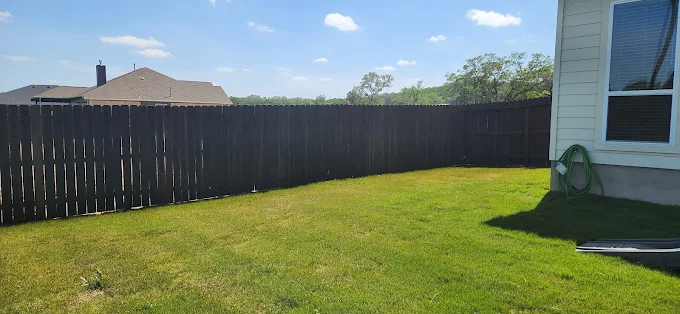
How long do you expect your fence to last before it starts leaning, rotting, or fading into an eyesore? Many Plano homeowners assume that once a fence is installed, it can be forgotten until something breaks. In reality, the difference between a fence that lasts 20 years and one that fails in 5 often comes down to simple, consistent maintenance. The best practices for fence maintenance are not complicated, but they do require a plan and a bit of attention each season.
Whether you have a wood, vinyl, metal, or a mixed-style fence, treating it like part of your home’s exterior system instead of just a boundary line will pay off. Regular cleaning, timely repairs, and smart preventative steps can protect your investment, keep your property looking sharp, and even improve security. Fence Pros of Texas works with homeowners across Plano, TX who are surprised at how much longer their fences last when they follow a clear maintenance routine.
Instead of waiting for a section to collapse after a storm or for rot to spread from one post to the next, you can extend the life of your fence with a handful of thoughtful habits. From seasonal inspections to choosing the right sealant, every decision you make after installation either adds years to your fence or quietly shortens its lifespan. Let’s break down the best practices that keep fences strong, straight, and attractive in North Texas conditions.
Know Your Fence Material
Effective fence maintenance starts with understanding what your fence is made of and how that material behaves in Plano’s climate. Wood, for example, is vulnerable to moisture, UV rays, and insects. Cedar and pressure-treated pine are common choices, but even these durable woods need sealing and inspection to prevent warping, cracking, and rot. If your wood fence appears gray, feels soft in spots, or shows small holes, those are early warning signs that demand immediate attention.
Vinyl fences, on the other hand, won’t rot or attract termites, but they can discolor, chalk, or become brittle over time. Plano’s strong sun and summer heat can cause vinyl panels to expand and contract, leading to loosened fasteners or hairline cracks. Regular cleaning and gentle handling during repairs are crucial. Using harsh chemicals or pressure washers on high settings can damage the surface and void warranties.
Metal fences, such as wrought iron, steel, or aluminum, bring their own maintenance requirements. While aluminum resists rust, steel and iron are more susceptible to corrosion, especially at welds and joints. Coastal-style moisture isn’t a major concern in Plano, TX, but humidity, irrigation overspray, and rain can still cause rust to develop. Keeping metal fences clean, repainting when needed, and addressing rust early can keep them looking sharp and performing well for decades.
Many modern properties also feature combination or Mixed material Fences, blending wood with metal or other materials for both style and function. These designs often look amazing but require a nuanced maintenance plan. Each material needs its own care schedule, and where they meet—like wood posts touching metal rails—tends to be a high-risk zone for moisture and corrosion. Fence Pros of Texas can help Plano homeowners map out a material-specific maintenance strategy so every component ages gracefully.
Seasonal Inspection And Cleaning
One of the simplest best practices for fence maintenance is to schedule seasonal inspections. Set a reminder on your phone for early spring and late fall, when the weather in Plano, TX is mild. Walk the entire length of your fence, looking for issues like leaning posts, loose screws, cracked boards, missing caps, or any signs of rot or rust. Bring a notepad or take photos so you remember where problems are located.
During these inspections, don’t just look at the obvious surfaces; pay attention to the base of each post and the ground line. This is where moisture lingers and where many issues start. If you notice soil pulling away from posts, evidence of standing water, or heavy vegetation pressing against the fence, those are red flags. Fixing minor problems like slightly loose posts or early-stage rot is far easier and cheaper than replacing entire sections later.
Cleaning should be part of your seasonal routine as well. Dirt, mildew, and algae can build up on all fence types, especially on the shaded sides. For wood fences, a gentle scrub with a mild detergent and a soft brush works well. Rinse with a garden hose rather than a high-powered pressure washer, which can gouge wood fibers and force water into places it doesn’t belong. Vinyl fences respond well to a mix of water and a small amount of dish soap. Avoid abrasive brushes that might scratch the surface.
Metal fences benefit from occasional washing to remove dirt, fertilizers, and road residue that can accelerate corrosion. Use a soft cloth or sponge, and pay attention to corners and joints where buildup is common. After cleaning, a quick visual check for chipped paint or small rust spots will help you decide if touch-up work is needed. A clean fence not only looks better but also makes it easier to spot developing issues before they turn into serious damage.
Protecting Wood From Rot And Sun
For wood fences in Plano, TX, sun and moisture are the two biggest enemies. The combination of hot summers and occasional heavy rains can cause boards to dry out, swell, and contract repeatedly. Over time, this leads to cracking, splitting, and warping. Applying a high-quality stain or sealant is one of the most important best practices you can follow. A good product will repel water, reduce UV damage, and help maintain the wood’s natural color.
Ideally, a new wood fence should be sealed once the wood has had time to dry after installation, usually within a few weeks to a couple of months depending on conditions. After that, a reapplication every two to three years is a common guideline, but the real test is visual. If water no longer beads on the surface, or if the color looks washed out and gray, it’s time to reseal. Fence Pros of Texas often recommends products suited specifically for North Texas weather, which can be harsher than many people realize.
Rot prevention also involves controlling moisture around the base of the fence. Avoid piling mulch, soil, or landscaping materials directly against the boards or posts. When the bottom edge of wood is constantly in contact with damp material, decay accelerates. Ensure that sprinklers are not spraying the fence directly, especially multiple times a day. Adjusting irrigation patterns is a small step that can significantly extend the life of a fence.
Trimming back bushes, vines, and ground cover is another underrated practice. Plants that rest against the fence trap moisture, block airflow, and provide cover for insects. While a vine-covered fence may look charming, it often hides serious damage. Keeping vegetation a few inches away from the fence surface allows it to dry more quickly after rain and reduces the chance of mold and mildew taking hold.
Preventing Rust And Corrosion On Metal
Metal fences add a refined, secure look to many Plano properties, but they demand their own style of maintenance. Rust usually begins in small, hard-to-see areas: at welds, where water collects, or where paint has chipped. A periodic close-up inspection, especially after storms or heavy winds that may have caused branches to scratch the surface, is essential. Early detection of rust can mean the difference between a quick touch-up and a full panel replacement.
When you do spot rust, address it immediately. Light surface rust can often be sanded away with fine sandpaper or a wire brush. After removing the rust, clean the area thoroughly and apply a rust-inhibiting primer followed by a matching exterior-grade paint. This layered approach helps seal out moisture and slows down future corrosion. Skipping the primer or using indoor paint outdoors can lead to peeling and quicker rust return.
For aluminum fences, the focus is more on keeping the finish intact and clean. While aluminum doesn’t rust like iron or steel, the protective coating can wear down over time. Avoid leaning heavy objects like ladders, wheelbarrows, or bicycles against the fence, as they can scratch or dent the surface. Regular gentle washing helps maintain appearance and reveals any damage that needs attention.
If your fence combines metal with wood components, pay particular attention to the connection points. Water can collect where metal brackets meet wood posts, creating a microenvironment for both rot and rust. Using quality hardware, ensuring proper drainage, and periodically tightening or replacing corroded fasteners are all part of good maintenance practice. Fence Pros of Texas often upgrades hardware when performing repairs to improve long-term performance.
Smart Repairs And When To Call A Pro
Timely repairs are one of the most effective best practices for fence maintenance. Small problems rarely stay small. A single loose picket can twist and pull nails out of neighboring boards. One leaning post can stress an entire run of fence. Plano’s occasional high winds can turn a minor weakness into a major failure if the structure is already compromised. The key is to act as soon as you notice something wrong.
Homeowners can handle many minor fixes themselves: replacing a damaged picket, tightening screws, or reattaching a loose rail. When doing DIY repairs, use the right fasteners for your fence material. Exterior-grade, galvanized, or stainless-steel screws and nails are important to prevent staining and premature failure. Using interior hardware outdoors often leads to rust streaks and weaker connections within a season or two.
There are times, however, when calling a professional like Fence Pros of Texas is the smarter move. If multiple posts are leaning, if you see widespread rot at the base of the fence, or if a storm has caused large sections to collapse, the underlying structural issues may be beyond a simple fix. Professionals can assess whether reinforcement, partial replacement, or a full rebuild is the safest and most cost-effective option.
Another reason to bring in a pro is when property lines, HOA regulations, or city codes are involved. In Plano, TX, fencing height, placement, and even appearance can be subject to rules you may not be fully aware of. A reputable fence company understands local requirements and can ensure that any repairs or replacements keep you compliant while preserving your fence’s integrity and appearance.
Daily Habits That Extend Fence Life
Beyond seasonal inspections and occasional repairs, small everyday habits can dramatically extend the life of your fence. Start by treating your fence as a structural element rather than a convenient storage rack. Avoid hanging heavy items like hose reels, large planters, or sports equipment on the fence. Over time, that extra weight can pull rails out of alignment and stress fasteners.
Be mindful when using lawn equipment near the fence line. String trimmers, mowers, and edgers can chip paint, gouge wood, or crack vinyl if they make contact repeatedly. Installing a narrow border of stones, bricks, or mulch along the fence base can create a buffer zone that keeps equipment a safe distance away. This simple landscaping choice can prevent countless small injuries to your fence over the years.
Pets and children also play a role in fence longevity. Dogs that constantly jump against or dig under the fence can loosen posts and create security gaps. If you notice this behavior, consider reinforcing the bottom of the fence with buried wire mesh or adding a small concrete curb. Teaching kids not to climb or swing on the fence is equally important; fences are designed to contain and define, not to be jungle gyms.
Finally, keep an eye on changes in your yard. New landscaping, drainage modifications, or neighboring construction can alter how water flows and how soil supports your fence. If you notice increased pooling near posts or sections starting to lean after a heavy rain, take action quickly. Adjusting drainage, adding gravel around posts, or consulting Fence Pros of Texas for a professional evaluation can keep a minor shift from becoming a major failure.
Frequently Asked Questions
How often should I stain or seal my wood fence in Plano, TX? In North Texas, most wood fences benefit from staining or sealing every two to three years. However, the exact timing depends on sun exposure and weather conditions. Check your fence annually: if water no longer beads on the surface and the color looks faded or gray, it is time to reapply. South- and west-facing sections that receive more direct sun may need attention slightly more often than shaded areas.
What is the best way to clean a vinyl fence without damaging it? Use a mixture of warm water and mild dish soap with a soft cloth or soft-bristle brush. Gently scrub away dirt, pollen, and mildew, then rinse with a garden hose. Avoid abrasive pads, harsh chemicals like undiluted bleach, and high-pressure washers on strong settings, as these can scratch, dull, or crack the vinyl. For stubborn stains, a diluted vinegar solution or a vinyl-safe cleaner can be used sparingly.
How can I tell if a wooden fence post needs to be replaced? Signs that a post may need replacement include noticeable leaning, a wobbly feel when pushed, visible rot at the base, or wood that feels soft or crumbles when probed with a screwdriver. If only the top of the post is cracked but the base is solid, reinforcement might be possible. When decay is present near ground level or the post moves easily, replacement is usually the safest and most durable solution.
Is it okay to use a pressure washer on my fence? It can be, but only with caution. For wood fences, a pressure washer set too high can damage the surface, create splinters, and force water deep into the wood, increasing the risk of rot. If you choose to use one, keep the pressure low and the nozzle at a safe distance, and move continuously. Vinyl and metal fences can tolerate gentle pressure washing better, but again, avoid close-range, high-pressure blasts that could strip finishes or force water into joints.
When should I call a professional fence company instead of doing repairs myself? You should contact a professional like Fence Pros of Texas when you see multiple leaning posts, widespread rot, extensive rust, storm damage affecting large sections, or when you are unsure about property lines and local regulations. Professionals can evaluate the structural integrity of the entire fence, recommend whether repair or replacement is more cost-effective, and ensure that any work meets Plano, TX codes and HOA guidelines. Calling in experts early often prevents small issues from turning into expensive problems.