
The first time a homeowner realizes how much a fence matters is often not when they move in, but when something goes wrong. Maybe the dog slips out through a gap in a rotting wood fence. Maybe a neighbor’s new two-story addition now looks straight into your backyard. Or maybe you finally invest in a beautiful outdoor living space, only to realize your old chain-link fence makes the whole yard feel like a storage lot. In that moment, the idea of residential fencing stops being a simple border and becomes a question of comfort, privacy, and style.
In a place like Plano, TX, where outdoor living is almost a year-round lifestyle, the fence around your property plays a bigger role than most people first imagine. It has to look good from the street, blend with your home’s architecture, stand up to Texas heat and storms, and still handle day-to-day realities like kids, pets, and security. Balancing those demands is where the real challenge lies. Go too far toward style and you might sacrifice strength or privacy; focus only on function and you risk turning your yard into something that looks more like a fortress than a home.
This is why thoughtful fence design has become such a priority for homeowners in Collin County and throughout North Texas. Modern residential fencing is no longer about choosing between “pretty” and “practical.” With the right materials, layout, and installation, you can have both. Fence Pros of Texas works with Plano homeowners every day to find that balance, turning fences from an afterthought into a core part of the home’s character and usability.
Understanding Your Real Needs
Before you even get to the fun part of picking colors and materials, it helps to slow down and list what you actually need your fence to do. For some Plano homeowners, the number one priority is privacy from neighboring houses that sit close together. Others are more focused on keeping dogs safely inside the yard or creating a safe play area for children. Some simply want better curb appeal and a clear boundary line. When Fence Pros of Texas visits a property, the conversation almost always starts with clarifying these priorities.
Thinking in layers can help. Start with security and safety: Do you need to keep people out, pets in, or both? Next, consider privacy: Are you blocking views from the street, second-story windows next door, or a nearby walking trail? Then look at aesthetics: What style complements the architecture of your Plano home—modern, traditional, farmhouse, or Mediterranean? Finally, think about maintenance: How much time do you realistically want to spend on upkeep in the Texas climate?
Homeowners are often surprised to discover that their initial idea of “just a basic fence” doesn’t quite align with their true needs. For example, someone might think they want a tall, solid privacy fence, only to realize they’d feel boxed in and prefer a mix of open and closed sections. By clearly defining your functional goals first, you give yourself a framework that makes design decisions easier and prevents costly regrets down the road.
Choosing Materials With Purpose
The material you choose for your fence is where style and function collide most visibly. In Plano, the classic choice is wood, especially cedar, because it offers warmth, a natural look, and excellent privacy. Cedar can be stained to complement your home’s exterior and trimmed with decorative caps or trim boards for a custom appearance. Functionally, it’s strong and, when installed properly by a professional crew like Fence Pros of Texas, can handle wind and weather. However, wood will require periodic staining or sealing to maintain its look and prevent premature aging in the Texas sun.
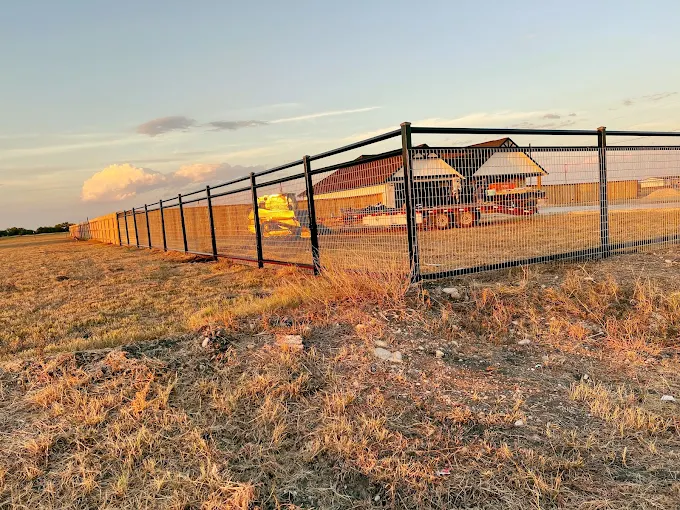
On the other end of the spectrum are metal options. Wrought iron-style fencing and steel or aluminum panels deliver a more open, elegant look that suits many Plano neighborhoods. These fences are ideal when you want visibility—perhaps to enjoy a view of a greenbelt, pool, or landscaped yard—without sacrificing security. They are durable, resist pests and rot, and are often a smart long-term investment. For homeowners researching sleek, low-maintenance options, products like Aluminum Fences can be an excellent fit.
Vinyl fencing has also become popular for those who want the appearance of painted wood without the ongoing maintenance. Vinyl resists fading, warping, and insect damage and can be shaped into privacy panels, picket styles, or decorative designs. The key is to match the material to both your lifestyle and your home’s architectural style. A ranch-style property might look best with stained wood or pipe-and-rail, while a contemporary home might benefit from a mix of horizontal wood slats and metal framing.
Designing For Privacy And Openness
Privacy is often the first thing homeowners mention when they call Fence Pros of Texas, especially in established Plano neighborhoods where lots can be on the smaller side. A solid, six- or eight-foot wood fence is a common solution, but there are many ways to fine-tune privacy so it feels intentional rather than overwhelming. For example, board-on-board fences, where boards overlap, eliminate gaps while still offering texture and visual interest. Adding a decorative top section with lattice or horizontal slats can lighten the look while maintaining lower-level privacy.
However, a yard that is completely walled off can sometimes feel confined, especially in areas where you might want to showcase landscaping or enjoy a wider view. In those cases, mixing fence styles on the same property can be a smart design move. You might choose solid fencing along the sides and back of the yard for privacy while using a more open metal fence along the front or around a pool area. This approach balances the need to feel secluded in certain spaces with the desire for openness and connection in others.
It’s also important to think about privacy vertically, not just in terms of fence height. In Plano’s two-story neighborhoods, a standard fence may block ground-level views but do little to shield you from second-floor windows. Strategic placement of taller panels, pergolas, or plantings near seating areas can create pockets of privacy where you spend the most time. Fence Pros of Texas often works with homeowners to design “privacy zones” rather than just a uniform wall, making the yard feel more comfortable and tailored to how the space is actually used.
Blending Style With Your Home And Neighborhood
Even the strongest, most private fence can look out of place if it doesn’t harmonize with the home and surrounding neighborhood. In Plano, many communities have HOA guidelines or city codes that influence fence height, materials, and placement. Rather than seeing these as limitations, they can serve as a starting point for a cohesive design that respects the character of the area while still feeling personal and unique.
For example, a brick home with traditional architecture might benefit from a fence that echoes those lines: vertical wood pickets, decorative post caps, and warm stain colors. A more modern home could use horizontal planks, simple metal framing, and a darker palette for a sleek, contemporary feel. Fence Pros of Texas helps homeowners choose profiles, post styles, and trim details that complement rooflines, window shapes, and other architectural features so the fence feels like an extension of the house, not an afterthought.
Front-yard fencing, in particular, requires a careful balance. You want to define your property and enhance curb appeal without creating a barrier that feels unwelcoming. Lower picket fences, open metal designs, or short masonry-and-fence combinations can mark the boundary while keeping the front of the home visually open. In backyards, the style can shift slightly more private and enclosed while still matching the front’s overall theme, creating a seamless transition around the property.
Durability, Maintenance, And Texas Weather
A fence can look perfect on installation day and still be a disappointment if it doesn’t hold up over time. Plano’s climate is tough on outdoor structures: intense sun, heat, occasional hail, and heavy storms all take a toll. Choosing materials and construction methods that are appropriate for North Texas conditions is essential if you want your fence to remain both functional and attractive for years.
For wood fencing, that means selecting quality lumber, using proper fasteners, and allowing for expansion and contraction. Professional installation by a company like Fence Pros of Texas ensures posts are set at the correct depth and with the right concrete mix to prevent leaning or shifting. It also means planning for drainage so water doesn’t pool along the base of the fence, which can accelerate rot. A good staining or sealing schedule—every few years, depending on exposure—will protect the wood’s color and integrity.
For metal and vinyl fences, durability comes more from the product quality and installation precision. Powder-coated metal resists rust and fading, while UV-stabilized vinyl holds its color and shape under sun exposure. These materials often require much less ongoing maintenance, which is appealing to busy homeowners. The trade-off is usually a higher upfront cost, but over time, the reduced need for repairs and refinishing can make them a smart investment in both looks and function.
Safety, Security, And Everyday Use
Beyond appearance and weather resistance, a residential fence has to perform in everyday life. That means gates that open and close smoothly, latches that are secure yet easy to operate, and layouts that support how you actually move around your property. In Plano, many homes have side yards that serve as primary access to backyards, so gate placement and width matter for everything from lawn equipment to deliveries and entertaining.
For families with children or pets, details like picket spacing, fence height, and ground clearance become critical. A beautiful fence that a small dog can squeeze under or a child can easily climb defeats its purpose. Fence Pros of Texas takes these practical concerns into account, recommending designs that minimize climbability and close gaps while still maintaining the style you want. Around pools, local safety codes come into play, requiring specific fence heights, self-closing gates, and latch placements to protect children and meet legal standards.
Security is another aspect of function that should not be overlooked. While no fence is completely impenetrable, thoughtful design can deter casual intruders and make your property less inviting as a target. Taller fences in the back, limited horizontal rails that could serve as footholds, and secure locking mechanisms on gates all contribute to peace of mind. At the same time, you can avoid an overly “fortified” look by choosing attractive materials and adding landscaping elements that soften the perimeter while maintaining security.
Frequently Asked Questions
How tall should my residential fence be in Plano, TX? Fence height depends on your goals and local regulations. In many Plano neighborhoods, six-foot fences are standard for backyard privacy, while front-yard fences are often limited to shorter heights. If you need extra privacy or security, eight-foot fences may be allowed in certain areas, but they typically require adherence to city codes or HOA rules. Fence Pros of Texas can review your property’s specific guidelines and help you choose a height that meets both your needs and local requirements.
What fence material offers the best balance of style and low maintenance? For a strong combination of aesthetics and low upkeep, metal and vinyl are excellent options. Decorative metal fences provide an elegant, open look that complements many Plano homes and require minimal maintenance beyond occasional cleaning. Vinyl fences mimic the appearance of painted wood but do not need staining or sealing and resist rot and insect damage. Wood remains a favorite for its natural beauty and design flexibility, but it does require more regular maintenance to keep it looking its best in the Texas climate.
How can I make my fence more visually appealing without losing privacy? There are several design strategies that maintain privacy while enhancing appearance. Board-on-board wood fences eliminate gaps but add depth and texture. Decorative top sections with lattice or horizontal slats can break up a solid wall and introduce visual interest. Varying the fence line slightly, adding trim boards, or using different stains can create a more custom look. Combining solid fencing in key areas with more open sections where full privacy isn’t needed can also strike a nice balance between protection and style.
How long does a typical residential fence last in North Texas? Lifespan depends heavily on material, installation quality, and maintenance. A well-built cedar fence that is properly sealed and maintained can often last 15–20 years or more. Metal fencing, especially powder-coated steel or aluminum, can last even longer with minimal upkeep. Vinyl fences are also known for their durability and resistance to rot and pests. Working with an experienced installer like Fence Pros of Texas ensures that the foundation, posts, and hardware are all chosen and installed to maximize longevity in Plano’s climate.
Can I mix different fence styles on the same property? Yes, and in many cases, mixing styles is the best way to balance function and appearance. You might use a solid privacy fence along side and rear property lines while opting for a more open or decorative style in the front yard or around a pool. Transitions between styles can be handled with corner posts, changes in height, or decorative elements that tie the designs together. Fence Pros of Texas frequently designs hybrid solutions for Plano homeowners who want privacy in certain zones and openness or curb appeal in others.