
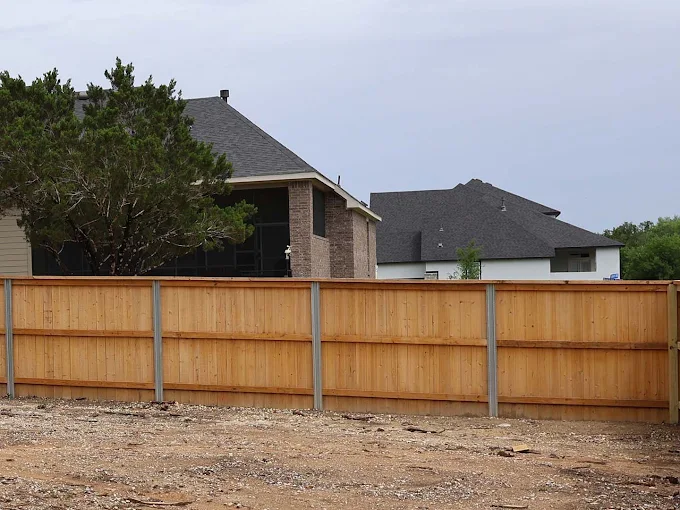
Most homeowners treat fence maintenance like a chore you tackle only when something looks obviously broken: a leaning post, a missing picket, or paint that’s already peeling in sheets. By the time those symptoms show up, the damage has usually been building for years. The truth is, residential fencing rarely fails overnight. It slowly deteriorates from small, ignored issues—trapped moisture at the bottom of posts, a loose screw that lets a panel flex in the wind, or soil creeping higher against the boards after each Texas rain. These subtle problems don’t look like emergencies, but they quietly eat away at the structure, especially in a climate like Plano, TX.
Another thing people get wrong is assuming all fences can be cared for the same way. Homeowners scrub, paint, or power wash without thinking about whether that approach is right for their specific material. Vinyl, wood, and metal fences each respond differently to heat, sun exposure, and cleaning products. A technique that’s perfect for a cedar privacy fence might seriously shorten the life of a vinyl or ornamental iron fence. The key is not just to “do maintenance,” but to do the right maintenance at the right time for the right fence.
When Fence Pros of Texas works with homeowners in Plano, TX, the goal isn’t simply to install a fence that looks great on day one. It’s to help you keep that fence safe, attractive, and functional for as long as possible with smart, simple habits. With the right approach, you can avoid costly repairs, keep your property value strong, and make sure your fence continues to do its job—protecting your home, pets, and privacy—year after year.
Know Your Fence Material
Effective maintenance starts with knowing exactly what you’re working with. A lot of fences in Plano neighborhoods are wood privacy fences, but there are also plenty of vinyl, composite, and ornamental metal installations. Each material has its own vulnerabilities. Wood is vulnerable to moisture, insects, and sun damage. Vinyl can warp or crack if exposed to extreme heat or harsh chemicals. Metal can rust, especially where protective coatings are compromised. If you don’t know what your fence is made of, it’s nearly impossible to pick the right care routine.
For wood fences, especially cedar and pine common in Texas, the biggest enemies are water and sun. Unsealed wood absorbs moisture, swells, and then shrinks again as it dries. Over time this cycle causes warping, splitting, and loose boards. UV rays also break down the lignin that holds wood fibers together, causing graying and surface damage. That’s why regular sealing and staining are critical for any homeowner who wants to keep their wood fence strong and attractive instead of letting it rot from the inside out.
Vinyl and composite fences require a different mindset. They don’t rot or rust, but they can become brittle or discolored if exposed to the wrong cleaners or constant impact. Abrasive scrubbing pads or strong solvents can scratch the surface and remove the sheen, making the material more likely to hold dirt and mildew. With metal fences, especially ornamental iron or steel, the focus is on preserving the protective finish. Once that coating is compromised, rust can start in small spots and spread, weakening the structure if left unchecked. Knowing these material-specific issues helps you choose the right products and methods, or when to call a professional like Fence Pros of Texas for more specialized care.
Seasonal Inspection Routine
One of the simplest and most powerful maintenance habits you can adopt is a seasonal inspection routine. Instead of waiting for something to go visibly wrong, you set aside time a few times a year to walk the fence line and look closely. In Plano, TX, it makes sense to do this at least twice a year: once in early spring after winter weather and once in late fall before temperature swings. During these inspections, you’re not just glancing from a distance; you’re checking posts, panels, fasteners, and the ground around the fence.
Start by looking at the posts. Are any leaning, wobbling, or separating from the soil around them? Movement at the base of the fence is often the first sign of a deeper structural issue. Texas soils can expand and contract with moisture changes, and that can loosen posts over time. Next, move along the panels or pickets. Look for cracks, splits, warping, rust spots, or areas that seem softer or darker than the rest. In wood fences, discoloration or softness near the bottom of pickets can indicate early rot that needs attention before it spreads.
Don’t overlook the hardware. Screws, nails, brackets, and hinges can loosen gradually, especially with wind and daily use of gates. A single loose hinge can cause a gate to sag, putting strain on neighboring posts and panels. Tightening or replacing a few fasteners now can prevent a much larger and more expensive repair later. During your inspection, also look for gaps at the bottom of the fence where erosion may have removed soil, or where soil has piled up against the boards, trapping moisture. Document anything that looks off with photos so you can monitor changes over time or show a professional if you need help.
Cleaning Without Causing Damage
Cleaning a fence seems straightforward, but doing it the wrong way can actually shorten the life of your fence. In Plano’s dusty environment, fences collect dirt, pollen, and mildew that not only look bad but can hold moisture against the surface. Many homeowners reach immediately for the highest setting on a pressure washer and blast away. That can gouge wood, force water deep into the grain, strip off protective coatings, or etch vinyl. A better approach is to start with the gentlest method that gets the job done, and only step up the intensity if you truly need it.
For wood fences, a garden hose with a spray nozzle, a soft brush, and a mild cleaning solution are usually sufficient. You can mix a small amount of dish soap with water to remove general grime. If you see mildew or algae, a wood-safe cleaner formulated for fences or decks works better than bleach-heavy household products, which can dry out the wood and damage nearby landscaping. Scrub along the grain rather than across it, and rinse thoroughly so no cleaner remains to attract more dirt. Allow the fence to dry completely before applying any sealers or stains.
Vinyl and metal fences are typically easier to clean, but still require some care. With vinyl, avoid abrasive pads or harsh chemicals; a soft cloth or sponge with soapy water is usually enough. For stubborn stains, specialized vinyl fence cleaners can help without damaging the surface. On metal fences, use a soft brush to remove dirt and cobwebs, and pay attention to joints and ornamental details where debris can trap moisture. If you choose to use a pressure washer on any fence, keep the pressure low, use a wide fan tip, and stay at a safe distance to avoid cutting into the material or forcing water into joints.
Protecting Wood Fences
Wood fences are popular in Plano, TX for their privacy, warmth, and classic appearance, but they do require more active maintenance than some other materials. The most important step is to ensure the wood is properly sealed. A quality stain or sealant acts like sunscreen and a raincoat, protecting against UV rays and moisture. Clear sealers preserve the natural color, while tinted stains add color and additional UV protection. Generally, a wood fence should be re-stained or re-sealed every 2–4 years, depending on exposure and product quality. South-facing sections that get more sun may need attention sooner.
Before applying any new finish, the fence should be clean and dry. If the wood has grayed or shows signs of mildew, a wood brightener or cleaner can restore a more uniform appearance. Once dry, test a small, inconspicuous area with your chosen stain or sealer to confirm the color and absorption. Apply the product evenly with a brush, roller, or sprayer, making sure to reach the edges and end grains where moisture can easily penetrate. Don’t rush the process; multiple thin coats often perform better and look more consistent than one heavy coat.
Beyond sealing, pay attention to how the fence interacts with the ground and surrounding landscaping. Wood that stays in constant contact with wet soil will deteriorate far faster than wood that can dry out between rains. Maintain a small gap between the bottom of the fence and the soil where possible, and avoid piling mulch or leaves directly against the boards. Trim back bushes and vines that grow on or through the fence, as they can trap moisture and hide developing damage. If you notice individual boards starting to rot or split, replace them promptly to keep the problem from spreading along the structure.
Gates, Hardware, And Moving Parts
Gates and hardware are often the first parts of a fence to show wear because they move and bear weight every day. A well-installed gate in Plano’s climate still needs regular attention to stay aligned and operate smoothly. When a gate starts dragging on the ground or doesn’t latch properly, many homeowners just slam it harder or lift it each time. That extra force stresses the hinges, posts, and latch, turning a small adjustment into a major repair if ignored long enough.
Inspect your gates at the same time as your fence. Open and close them several times and watch how they move. If you see sagging, consider whether the hinges are loose, the screws have stripped, or the post itself is shifting. Tightening hinge screws, replacing worn hardware, or adding an additional support bracket can often restore proper function. In some cases, adjusting the latch height or position is enough to get things back in line without replacing major components.
Lubrication is another simple but often overlooked part of fence maintenance. Hinges, latches, and sliding components benefit from a light application of a weather-resistant lubricant, especially before the temperature or humidity changes significantly. This reduces friction and extends the life of the hardware. Check for rust on metal parts and address it quickly by lightly sanding affected areas and touching up with a rust-inhibiting paint or coating. Fence Pros of Texas frequently helps Plano homeowners correct long-standing gate issues that started as small alignment or hardware problems—issues that could have been avoided with a few minutes of attention each season.
When To Call A Professional
Not every fence issue requires professional help, but some situations are better handled by an experienced contractor. If you notice multiple leaning posts, widespread rot, or rust that has compromised structural elements, it’s usually more cost-effective to bring in a specialist than to attempt piecemeal DIY repairs. Structural problems can be deceptive; what looks like a single leaning panel may actually be the result of several failing posts or footings. Professionals can diagnose the root cause instead of just treating the visible symptom.
In Plano, TX, soil movement, drainage issues, and storm damage are common reasons homeowners contact Fence Pros of Texas. After heavy rains or strong winds, a fence may suddenly lean or sections may loosen. A professional can determine whether posts need to be reset in new concrete, whether the existing material can be salvaged, or if replacement is the safer and more economical option. They can also identify underlying grading or drainage problems that, if not corrected, will continue to damage the fence over time.
Professionals are also valuable when you’re dealing with specialized materials, HOA requirements, or complex designs. Ornamental metal fences, for example, require specific welding or coating skills to repair correctly. Similarly, if you’re considering upgrading or replacing sections of an older fence, a contractor can help you decide what to keep, what to replace, and how to match or improve the existing style. Whether you’re maintaining a classic wood privacy fence or exploring options like Wood Fences, expert guidance ensures your investment is protected for the long term.
Frequently Asked Questions
How often should I stain or seal my wood fence in Plano, TX? In our local climate, most wood fences benefit from staining or sealing every 2–4 years. Sun exposure, rainfall, and the quality of the previous product all affect this timeline. South- and west-facing sections that get more direct sun may need attention sooner, while shaded areas might last a bit longer. An easy test is to sprinkle water on the wood; if it soaks in rather than beading on the surface, it’s time to reapply a protective finish.
Is pressure washing safe for my residential fence? Pressure washing can be safe if done correctly, but it’s also one of the fastest ways to damage a fence when misused. High pressure can gouge wood, strip away protective coatings, and force water deep into joints and grain, leading to future problems. For vinyl, too much pressure can crack or warp panels. If you use a pressure washer, keep the pressure low, use a wide fan tip, and stay at a good distance. Many homeowners find that a garden hose, soft brush, and appropriate cleaner are safer and still very effective.
What are the first signs my fence is starting to fail? Early warning signs include leaning posts, boards that feel soft or spongy, rust spots on metal components, and gates that no longer latch or swing smoothly. You might also see gaps opening between boards, nails or screws backing out, or discoloration at the bottom of pickets where moisture collects. Addressing these issues promptly—tightening hardware, replacing individual boards, or improving drainage—can prevent more extensive and expensive repairs later.
How can I protect the bottom of my fence from moisture and rot? The key is to keep the fence as dry as possible between rains. Maintain a small gap between the bottom of the fence and the soil so water doesn’t sit against the wood. Avoid piling mulch, leaves, or grass clippings directly against the fence line, as they trap moisture and invite insects. Ensure your yard slopes gently away from the fence to improve drainage. Regularly clear away debris and consider using gravel or stone near the base in problem areas to reduce standing water.
When should I call a professional instead of doing repairs myself? DIY repairs are fine for small issues like tightening a hinge, replacing a single picket, or cleaning the fence. You should call a professional like Fence Pros of Texas if you notice multiple leaning posts, widespread rot or rust, storm damage, or if a large section of the fence feels unstable. Also, if your fence is tied into a pool barrier or security system, professional repairs are important for safety and code compliance. A contractor can evaluate the entire structure, identify hidden problems, and provide a long-term solution rather than a temporary fix.