
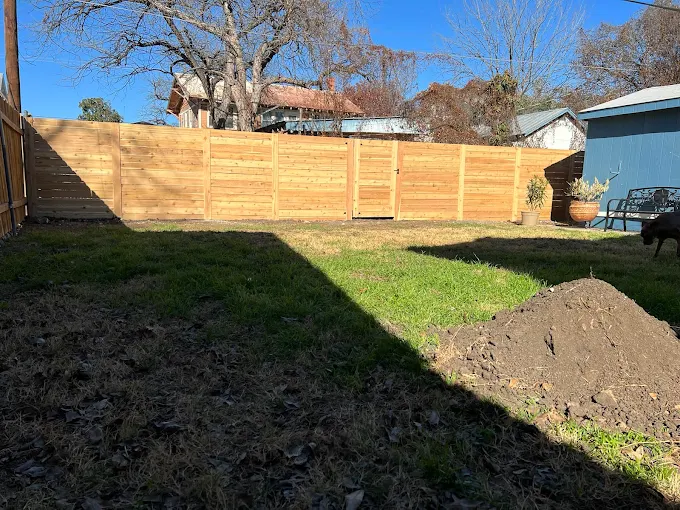
Maintaining Your Residential Fencing for Longevity
If you drive through a Plano neighborhood built in the early 2000s, you’ll see a clear pattern: the homes look great, but many original fences are leaning, graying, or missing boards. North Texas sun, soil movement, and the occasional severe storm are tough on residential fencing. Studies show that exterior wood structures in Texas can weather up to 15–20% faster than in milder climates, and insurance claims for wind and storm damage in the DFW area rank among the highest in the state.
Your fence isn’t just a boundary line. It protects kids and pets, adds privacy, boosts curb appeal, and can even affect your property value and HOA compliance. Whether you have a traditional cedar fence, modern metal system, or a custom design, how you maintain it will determine if it lasts 7 years—or 25.
This guide walks you through practical, Plano-specific strategies to extend the life of your fence, avoid costly replacements, and keep your yard looking sharp year-round.
Key Insight: Thoughtful, consistent fence maintenance in our North Texas climate can easily double the lifespan of your fence and significantly reduce long-term repair and replacement costs.
Understanding How North Texas Weather Affects Your Fence
Plano’s climate is a unique mix: blazing sun, clay soil that shifts with moisture, sudden temperature swings, hail, and high winds. Each of these works against your fence in different ways.
- UV exposure dries and bleaches wood, breaks down vinyl, and fades paint and stain.
- Clay soil expands when wet and contracts when dry, pushing and pulling fence posts.
- Storms can bend or topple weaker posts and panels, especially on older Wood Fences or Chain Link Fences.
A Plano homeowner off Spring Creek Parkway recently called us about a leaning fence that was only eight years old. The problem wasn’t the boards—it was the posts. Soil movement had slowly shifted the line, and a strong thunderstorm finished the job. A few well-placed concrete footings and reinforced posts earlier in the fence’s life could have prevented a full section replacement.
“Most fence failures in North Texas start at the ground, not at the top rail.” — Local Fence Technician, Fence Pros of Texas
CALLOUT: Plano’s expanding clay soil is one of the biggest hidden threats to fence longevity. Proper post depth, drainage, and regular checks are just as important as the fence material itself.
Choosing the Right Material: Longevity Starts on Day One
Maintenance is easier—and more effective—when you start with the right material for your property and lifestyle. Each fencing type behaves differently in Plano’s environment.
Common Residential Fence Materials in Plano
| Fence Type | Typical Lifespan (with maintenance) | Maintenance Level | Local Pros | Local Cons |
|---|---|---|---|---|
| Cedar Wood Fences | 15–25 years | Medium-High | Classic look, great privacy, stainable | Needs staining/sealing, vulnerable to rot |
| Vinyl Fences | 20–30 years | Low | Low maintenance, no rot, good for pools | Can crack with impact, color options limited |
| Aluminum Fences | 25+ years | Low | Rust-resistant, great for pools & yards | Less privacy, higher upfront cost |
| Wrought Iron Fences | 20–30+ years | Medium | Strong, elegant, great for security | Requires rust prevention, repainting |
| Chain Link Fences | 20+ years | Low-Medium | Economical, durable, good for side yards | Less attractive, low privacy |
| Corrugated Metal Fences | 20–30+ years | Low-Medium | Modern look, excellent privacy | Heat buildup, needs quality coating |
In a newer Plano subdivision near Legacy West, many homeowners are replacing builder-grade wood fencing with mixed options—such as Mixed Material Fences that combine cedar with steel posts or corrugated metal panels. These hybrids often deliver better longevity and lower maintenance while still meeting HOA guidelines.
Key considerations when choosing materials:
- Sun exposure: South- and west-facing fences take more UV damage.
- Drainage: Low spots in your yard can accelerate rot in wood posts.
- Purpose: Privacy vs. security vs. decorative vs. pool safety.
- HOA rules: Some neighborhoods restrict height, style, and color.
Essential Maintenance for Wood and Stained Fences
Cedar and pine fences are extremely popular across Plano because they offer privacy, warmth, and a classic look. They also require the most hands-on care if you want them to last.
Cleaning and Inspection
At least once a year:
- Rinse your fence with a garden hose to remove dust and pollen.
- Check for loose pickets, popped nails, or cracked boards.
- Look for discoloration at the bottom of boards—early signs of rot.
- Inspect gate hardware, latches, and hinges for sagging or rust.
A homeowner near Oak Point Park recently noticed a few soft boards at the base of her fence. Instead of waiting, she called for a quick Fence Repair. We replaced the affected pickets and added gravel at the bottom of a low spot in the yard to improve drainage. That small repair likely extended the fence’s life by several years.
Staining and Sealing
For Plano’s climate, professional staining is one of the best investments you can make for a wood fence.
- New fences: Stain within 4–8 weeks, once the wood has dried.
- Existing fences: Re-stain every 3–4 years, or sooner on sun-facing sides.
- Use high-quality oil-based stains rated for UV and moisture resistance.
Our staining services often include power washing, minor repairs, and a uniform application that penetrates deeply into the wood. This helps protect against:
- UV fading and graying
- Moisture absorption and warping
- Mildew and surface mold
“Proper staining doesn’t just change the color of your fence—it adds years of functional life.” — Fence Pros of Texas Team Lead
Low-Maintenance Options: Vinyl, Aluminum, and Metal Systems
If you’d rather spend weekends at Arbor Hills Nature Preserve than working on your fence, low-maintenance materials can be a smart choice. Modern Vinyl Fence Installation, Aluminum Fence Installation, and Metal Fence Installation options offer durability with minimal upkeep.
Vinyl Fences
Vinyl is popular around pools, side yards, and in neighborhoods with strict HOA standards.
Maintenance typically includes:
- Occasional washing with mild soap and water.
- Checking fasteners and posts after major storms.
- Watching for impact damage from lawn equipment or falling branches.
In West Plano, a homeowner with a vinyl perimeter fence reported almost no maintenance for seven years—just a quick wash every spring. The fence still looks nearly new, and the only repair needed was a single panel replacement after a windstorm.
Aluminum and Wrought Iron
Decorative Wrought Iron Fences and aluminum systems are common around front yards, pools, and estates. They add security without blocking views.
To keep them in top shape:
- Inspect annually for rust spots (on iron) or coating damage.
- Touch up paint or powder coating promptly when you see chips.
- Lubricate hinges and moving parts on gates.
For homeowners with pools, code-compliant Pool Fence Installation using aluminum or steel is critical for safety and insurance requirements. These systems are designed for long-term performance but still benefit from cleaning and occasional touch-ups.
CALLOUT: Low-maintenance doesn’t mean no maintenance. A simple yearly check can prevent a small issue from turning into a costly replacement.
Gates, Hardware, and Access Systems: The Moving Parts Matter Most
The most common source of frustration for homeowners isn’t usually the fence panels—it’s the gates. Gates get used daily, bear extra weight, and are more exposed to movement and wear.
Gate Alignment and Hardware
Over time, soil movement and gravity can cause gates to sag or drag. To extend gate life:
- Check alignment twice a year and after heavy rain periods.
- Tighten hinge screws and latch hardware as needed.
- Replace worn hinges with heavy-duty options when you notice play.
- Consider diagonal bracing on larger wood gates.
We recently serviced a large driveway gate in a Plano estate community. The gate had started scraping the concrete, making access difficult. By adjusting the posts, upgrading the hinges, and balancing the weight, we restored smooth operation without replacing the entire structure.
For more advanced setups, such as access control systems, regular professional checks are essential. Automatic operators, keypads, and safety sensors should be inspected annually.
Residential and Commercial Gates
Plano homeowners and local businesses alike rely on properly functioning gates:
- Residential gates for driveways and side yards
- Commercial gates for parking lots and deliveries
- Estate gates for larger properties and private roads
Routine maintenance for these systems often includes:
- Lubricating moving parts
- Checking electrical connections and safety features
- Adjusting tension and alignment
- Testing backup power (for automated gates)
“Regular gate maintenance is like an oil change for your car—skip it, and you’ll pay more later.” — Access Control Specialist, Fence Pros of Texas
Repair vs. Replacement: Making the Smart Call
At some point, every fence reaches a crossroads: keep repairing, or invest in a full Fence Replacement. Making the right decision can save you thousands of dollars and a lot of frustration.
When Repairs Make Sense
Repairs are usually the best option when:
- Damage is limited to a small section (one side or a few panels).
- Posts are still solid and plumb.
- The fence is under 10–12 years old and generally in good shape.
- The style and height still meet your needs and HOA rules.
Common repair scenarios in Plano:
- Replacing a few storm-damaged panels on a backyard privacy fence.
- Resetting a leaning post along a side yard.
- Fixing a damaged Garden Fence Installation where kids or pets pushed through.
When Replacement Is the Better Investment
Full replacement is often more cost-effective when:
- More than 25–30% of boards are rotting, warped, or broken.
- Multiple posts are loose or leaning.
- The fence is 15–20+ years old and nearing the end of its lifespan.
- You’re already planning upgrades for privacy, security, or style.
We recently worked with a family near Plano Senior High whose fence had been patched multiple times over the years. After a major storm, they faced another large repair bill. Instead, they chose a new Privacy Fence Installation with steel posts and high-quality stain. The upfront cost was higher than another patch job, but their long-term maintenance and repair costs will drop dramatically.
| Approach | Short-Term Cost | Long-Term Cost (10+ yrs) | Best For |
|---|---|---|---|
| Patch Repairs Only | Low | High | Very tight budgets, newer fences |
| Strategic Repairs + Stain | Medium | Medium-Low | Mid-life fences with solid structure |
| Complete Replacement | High | Low | Aging fences, style upgrades, property value |
What This Means for Homeowners in Plano, TX
Fence maintenance isn’t just about looks in a city like Plano—it’s about protecting your investment in a demanding environment. Between HOA standards, property values, and our unpredictable weather, a neglected fence can quickly become a liability.
For local homeowners, that means:
- Budget planning: Setting aside a small yearly amount for Fence Maintenance, cleaning, and minor repairs can prevent large surprise expenses.
- HOA compliance: Many Plano neighborhoods have strict rules about fence height, color, and condition. Proactive care helps you avoid violation notices and rushed, expensive work.
- Safety and privacy: A solid fence keeps pets in, strangers out, and creates a private backyard oasis—especially valuable in denser subdivisions.
- Curb appeal and resale value: Real estate agents in Collin County routinely note that a well-maintained fence can make your listing photos stand out and support a higher asking price.
Plano continues to grow rapidly, and as neighborhoods age, original fences are reaching the end of their natural lifespan. Homeowners who stay ahead of the curve—through thoughtful material choices, regular maintenance, and strategic upgrades—enjoy quieter yards, fewer headaches, and better long-term value.
Whether you’re looking to maintain an existing structure, explore Custom Fence Design, or add features like railings and upgraded gates, a deliberate approach today pays off for years to come.
Frequently Asked Questions
Q: How often should I stain or seal my wood fence in Plano’s climate?
A: In North Texas, UV exposure and heat are intense, so most cedar and pine fences benefit from staining every 3–4 years. South- and west-facing sections may need attention a bit sooner. After a new Wood Fence Installation, plan to stain within the first 4–8 weeks, once the wood has dried adequately. Using a high-quality, oil-based stain designed for exterior use dramatically improves performance. Regular staining not only keeps your fence looking fresh, it also reduces warping, cracking, and rot—often adding 5–10 extra years to the life of a well-built fence.
Q: My fence is leaning in a few spots. Do I need a full replacement?
A: Not necessarily. Leaning sections often indicate issues with specific posts rather than the entire fence. A professional can evaluate whether resetting or replacing a few posts and panels is sufficient. If the majority of your posts are still solid and the boards are in decent condition, targeted Fence Repair may be the most cost-effective option. However, if you’re seeing widespread rot, multiple leaning areas, or your fence is 15–20 years old, it may be time to compare repair costs against a full Fence Replacement or upgraded Privacy Fence Installation.
Q: Are vinyl or aluminum fences really lower maintenance than wood?
A: Yes, for most Plano homeowners, both vinyl and aluminum systems require significantly less ongoing care than traditional wood. A quality Vinyl Fence Installation generally needs only periodic cleaning and visual inspections, with no staining or painting. Aluminum Fences are rust-resistant and ideal for Pool Fence Installation or decorative perimeter applications. That said, all fences benefit from annual checkups—looking for loose fasteners, impact damage, or movement at the posts. Choosing low-maintenance materials can be especially beneficial if you travel frequently or prefer not to spend time on exterior upkeep.
Q: How can I tell if my fence posts are failing?
A: Signs of failing posts include noticeable leaning, wobbling when pushed, gaps opening at the base, and boards separating at the seams. On wood posts, rot at ground level is common—look for softness, dark discoloration, or crumbling wood. In metal systems, rust at the base or loose concrete footings can indicate trouble. If multiple posts show these symptoms, it may be time to evaluate a more extensive Fence Replacement rather than piecemeal repairs. A professional inspection can determine whether resetting posts, adding bracing, or upgrading to steel posts is the best path forward.
Q: What’s the best fence type for both privacy and low maintenance in Plano?
A: Many homeowners choose a hybrid approach: a solid privacy fence using cedar boards on steel posts, combined with professional staining for protection. This setup offers the warmth and privacy of wood with the durability of metal supports. For side yards or less visible areas, some opt for Chain Link Fence Installation with privacy slats as a cost-effective solution. If ultra-low maintenance is your priority, consider Mixed Material Fences that incorporate Corrugated Metal Fences or vinyl panels in key areas, reducing the amount of wood exposed to the elements.
Q: How do I maintain my fence if I have kids and pets constantly using the yard?
A: High-traffic yards need a slightly more proactive maintenance plan. First, choose durable materials and hardware—stronger latches, reinforced gates, and secure posts. Schedule seasonal checks to look for loose boards, exposed nails, or gaps where pets could escape. For backyards with active dogs, a well-built Security Fence Installation or reinforced Garden Fence Installation can prevent digging and pushing at the base. Staining or sealing wood regularly helps it withstand everyday wear. If you notice repeated damage in a specific area, reinforcing that section or upgrading the material there can save money over repeated small repairs.
Q: Do commercial properties in Plano need different fence maintenance than homes?
A: Commercial properties often face heavier use, vehicle traffic, and stricter security demands. While the principles of Fence Maintenance are similar, Commercial Fence Installation typically uses heavier-gauge materials and more robust commercial gates. Regular inspections are especially important around loading areas, parking lots, and access points. Automatic operators and access control systems should be serviced on a schedule to prevent failures that interrupt business operations. If you manage a business or multi-family property in Plano, a maintenance plan tailored to your specific traffic patterns and security needs can significantly reduce downtime and emergency repair costs.
Ready to Get Started?
Plano’s growth, active HOAs, and unpredictable weather mean your fence is working harder than ever. Waiting until it’s leaning, rotting, or failing during a storm almost always leads to higher costs and more disruption. A simple inspection, small repair, or timely stain job this season can easily prevent a major replacement bill next season.
If your fence is showing early signs of wear—or if you’re considering a new Residential Fence Installation, upgraded Decorative Fence Installation, or enhanced Security Fence Installation—now is the ideal time to act. Materials and labor schedules fill quickly during peak months, especially before and after storm season.
Fence Pros of Texas can assess your current fence, explain your options clearly, and recommend a maintenance or replacement plan that fits your budget and your neighborhood’s standards. Whether you need simple Fence Repair, a custom Metal Fence Installation, or new residential gates, our local team is ready to help you protect and enhance your property for the long term.
About Fence Pros of Texas
Fence Pros of Texas serves homeowners, businesses, and property managers throughout Plano and the greater North Texas area. Our team specializes in Residential Fence Installation, Commercial Fence Installation, custom designs, farm fencing, gates, and staining services tailored to our local climate and soil conditions. With years of hands-on experience in Collin County, we understand the unique challenges Plano properties face and build fences to meet or exceed industry standards. Learn more about our services and see examples of our work at https://topcoreconcrete.com/.