
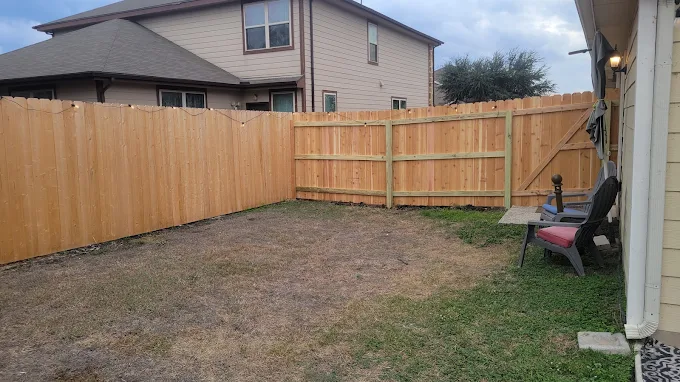
How to Select Durable Residential Fencing
On a hot July afternoon in Plano, your backyard fence is doing a lot more than most people give it credit for. It’s taking the full force of the Texas sun, blocking gusty spring storms, standing up to the occasional baseball from the neighbor’s yard, and still expected to look good and protect your property for years.
Yet many homeowners in Collin County replace their fences far more often than they should. In North Texas, wood fences can start failing in as little as 8–10 years if they’re not built or maintained properly, while a well-chosen and well-installed fence can easily last 20–30 years or more.
Durability isn’t only about the material you choose. It’s how that material handles Plano’s clay soil, sudden temperature swings, high UV exposure, and local building codes. In this guide, you’ll learn how to evaluate fencing materials, compare costs and lifespans, understand local conditions, and work with a professional for long-lasting Residential Fence Installation that actually stands the test of time.
Key Insight: The most durable residential fence for your Plano home is the one that’s matched to your soil, sun, wind exposure, and lifestyle—then installed and maintained to professional standards.
Start With Your Priorities: Security, Privacy, or Curb Appeal?
Before you compare Wood Fences to vinyl or metal, you need clarity on what “durable” means for you. A fence that never rots but doesn’t give you the privacy your family wants isn’t truly doing its job.
For most Plano homeowners, priorities fall into three buckets:
- Privacy and comfort – blocking views from alleyways or neighboring two-story homes
- Security and containment – keeping kids and pets safely in, and unwanted visitors out
- Aesthetics and property value – complementing your home’s style and HOA requirements
A family off Legacy Drive, for example, had a 6-foot builder-grade fence that was leaning and full of gaps. Their main concern was privacy from a nearby walking trail. We replaced it with a board-on-board cedar fence, upgraded posts, and taller height where allowed by code. The result: a quieter backyard and a fence built to last significantly longer than the original.
“Durability starts with defining what success looks like for you—quiet, secure, attractive, or all three.” — Fence Design Consultant, Fence Pros of Texas
As you think through your goals, consider:
- Do you need a privacy fence installation or is partial visibility okay?
- Are pets prone to digging or jumping?
- Is your home on a corner lot that needs extra security?
- Does your HOA specify certain styles, like Wrought Iron Fences in front yards?
CALLOUT: Be clear on your must-haves before choosing materials. It prevents costly regrets and ensures your fence is durable in function, not just structure.
Once you know your priorities, you can start comparing materials with a clear lens.
Choosing the Right Material for North Texas Weather
Plano’s climate is tough on fences. You get intense UV exposure, heavy rain events, high winds, and expansive clay soil that moves as it dries and wets. Each material responds differently to these stresses.
Here’s how common options stack up locally:
Wood: Classic Look, Higher Maintenance
Cedar and pressure-treated pine are the most common for Wood Fence Installation. Cedar resists insects and rot better than pine, making it a smarter long-term choice in our climate.
- Pros: Warm, natural look; great for privacy; easy to customize
- Cons: Requires staining; more vulnerable to warping and cracking over time
A Plano homeowner near Preston Road extended the life of their cedar fence by 10+ years simply by investing in professional Fence Maintenance and staining every few years.
Vinyl: Low Maintenance, High Longevity
Vinyl Fences are popular with homeowners who want a clean look without ongoing work.
- Pros: Won’t rot, warp, or attract termites; easy to wash
- Cons: Can crack under extreme impact; quality varies by manufacturer
Metal: Strength and Style
Metal options include Aluminum Fences, Wrought Iron Fences, and Corrugated Metal Fences.
- Aluminum: Rust-resistant, great around pools, lighter than iron
- Wrought iron/steel: Strong, upscale look, ideal for security
- Corrugated metal: Modern, very private, stands up well to wind when installed correctly
A homeowner near Oak Point Park combined corrugated steel panels with cedar posts to create Mixed Material Fences that offered privacy, style, and long-term durability.
“Metal Fence Installation around Plano pools and open yards can easily last 30 years or more with the right coating and hardware.” — Senior Installer, Fence Pros of Texas
Because our clay soil moves, the installation method matters as much as the material. Deep, properly set posts and quality concrete footings are non-negotiable for true durability.
Cost vs. Lifespan: What Makes a Fence Truly “Worth It”?
A fence that costs less upfront but needs replacement in 8 years may actually be more expensive than a higher-quality option that lasts 25 years. Plano homeowners often ask for a simple way to compare.
Here’s a general side-by-side view tailored to our area:
Approximate Cost & Lifespan Comparison in Plano
| Fence Type | Typical Upfront Cost (per linear ft) | Expected Lifespan (with care) | Maintenance Level | Best Use Case |
|---|---|---|---|---|
| Basic wood (pine) | $25–$35 | 8–12 years | High | Budget privacy, short-term ownership |
| Cedar wood | $30–$45 | 15–20+ years | Medium–High | Long-term privacy, warm aesthetics |
| Vinyl | $35–$55 | 20–30 years | Low | Low-maintenance privacy or semi-privacy |
| Ornamental aluminum | $35–$60 | 25–30+ years | Low | Pools, open views, decorative boundaries |
| Wrought iron/steel | $40–$70+ | 25–40 years | Medium | High-security, upscale curb appeal |
| Corrugated metal / mixed | $40–$65+ | 20–30 years | Low–Medium | Modern privacy, wind-exposed areas |
| Chain link | $20–$35 | 20+ years | Low | Side yards, dogs, less visible boundaries |
Note: These are broad ranges and can vary based on height, design, and site conditions.
A couple in West Plano originally leaned toward the least expensive option. After we walked through this kind of comparison, they chose a mid-range cedar fence with upgraded posts and hardware. They paid about 15–20% more upfront, but gained an estimated extra decade of useful life.
CALLOUT: When you factor in replacement, staining, and repairs, the “cheapest” fence rarely ends up being the least expensive over 20+ years.
Think about:
- How long you plan to stay in your home
- How much time and money you’re willing to invest in maintenance
- Whether you’re likely to add a Residential Gates or access control later, which may favor stronger materials
Durability is a long game. A clear cost vs. lifespan picture helps you choose wisely.
Local Realities: Soil, Sun, and Storms in Plano
Plano’s conditions are unique, and they should absolutely influence your fence choice and design.
Expansive Clay Soil
The black clay soil in much of Plano expands when wet and shrinks when dry, which can shift fence posts over time.
- Shallow or poorly set posts lead to leaning fences
- Incorrect concrete mix or installation accelerates problems
Our crews routinely see fences from “low-bid” installations along Coit and Custer leaning after just a few years because posts weren’t set deep enough or with proper footings.
Sun and UV Exposure
UV exposure in North Texas is no joke. It can:
- Fade wood and vinyl
- Dry out boards, causing shrinkage and cracking
- Break down lower-quality plastics and finishes
Professional Fence Maintenance and staining is especially critical on west-facing backyards, where afternoon sun is intense.
Wind and Storms
Open areas near parks, greenbelts, or major roads like George Bush Turnpike tend to get stronger wind gusts. In those locations:
- Heavier-duty posts and rails matter
- Solid privacy fences need proper bracing
- Residential Gates should be reinforced to prevent sagging
“A durable fence in Plano isn’t just about materials—it’s about engineering for movement, sun, and wind.” — Project Manager, Fence Pros of Texas
When you work with a local contractor familiar with Plano’s neighborhoods, you get designs tailored to these conditions, not a one-size-fits-all approach.
Design Details That Make or Break Durability
Two fences can be built from the same material and look similar on day one, yet one will outlast the other by a decade or more. The difference is in the details.
Posts, Rails, and Fasteners
Key structural considerations:
- Post size and depth – 4×4 vs. 6×6, and how deep they’re set
- Rail spacing – Proper spacing prevents sagging panels
- Fasteners – Galvanized or stainless screws/nails resist rust
We replaced a fence near the Plano/Allen border where the boards were still in decent shape, but the undersized posts and cheap nails had failed. Rather than a full Fence Replacement, we were able to salvage parts of the structure by upgrading the framework and hardware.
Smart Use of Mixed Materials
Durable design often combines materials strategically:
- Mixed Material Fences that use metal posts with wood panels
- Decorative Railings paired with solid privacy sections
- Glass or aluminum panels near pools, with wood for side-yard privacy
Gates and Access
Gates are the most heavily used part of your fence—and the first place many systems fail.
- Oversized or poorly braced gates sag
- Low-quality hinges and latches rust or misalign
- Lack of planning for future Access Control limits your options
A homeowner off Spring Creek Parkway upgraded to an automated driveway gate. Because their original fence wasn’t designed to carry that weight and motion, we reinforced the gate posts and framing. Planning for these possibilities earlier would have saved them time and money.
CALLOUT: Ask your contractor to walk you through post sizes, bracing, hardware, and gate design. These “invisible” choices are where durability is truly built.
Maintenance: The Missing Piece in Fence Longevity
Even the best-built fence in Plano needs some care. The good news: with the right materials and schedule, maintenance doesn’t have to be overwhelming.
Wood Fence Care
For cedar or pine:
- Stain or seal every 3–5 years (more often on sun-exposed sides)
- Keep soil and landscaping from piling against the bottom boards
- Inspect annually for loose boards, popped nails, or rot
Professional Fence Maintenance and staining adds a protective layer that can double the life of a wood fence. One Plano client in a 20-year-old neighborhood has a cedar fence that still looks sharp thanks to consistent care.
“A few hundred dollars in proactive maintenance can easily save you thousands in premature Fence Repair or replacement.” — Maintenance Specialist, Fence Pros of Texas
Low-Maintenance Materials
For vinyl, aluminum, and steel:
- Rinse occasionally to remove dirt and pollutants
- Check hardware and hinges annually
- Touch up scratches on metal to prevent rust
If you have a Residential Gates or automated system, schedule periodic inspections to keep motors, sensors, and moving parts in top shape.
Durability isn’t only what’s built on day one; it’s what you’re able and willing to maintain over time. Choose a material that matches your appetite for upkeep.
What This Means for Homeowners in Plano, TX
Plano is a mature, fast-growing community with a mix of older neighborhoods and new developments. That creates a few realities for your fencing decisions:
- Property values are high, and buyers notice fences. A sagging, weathered fence can drag down curb appeal, while a well-designed Decorative Fence Installation adds perceived value.
- Many homes back to alleys, trails, or busy streets, raising the stakes for privacy and security. The right Security Fence Installation gives peace of mind without making your home feel like a fortress.
- HOAs and city codes matter. Some communities favor ornamental Aluminum Fences or Wrought Iron Fences in front, with taller privacy fences in back. A local contractor helps ensure compliance and smooth approvals.
You’re also balancing a busy lifestyle. Many Plano homeowners work in nearby corporate corridors or commute across DFW. That often makes low-maintenance solutions, like vinyl or ornamental metal, especially attractive.
At the same time, Plano’s established tree canopies and outdoor living spaces make wood and Garden Fence Installation around landscaping very popular. The key is pairing that aesthetic with construction and maintenance practices that stand up to our climate.
The bottom line for Plano residents: don’t treat your fence as an afterthought. It’s a major, long-term investment that affects your daily comfort, safety, and home value. Choosing the right material, design, and installer now can save you significant money and hassle over the next 20–30 years.
Frequently Asked Questions
Q: How long should a residential fence last in Plano if it’s built well?
A: With quality materials and professional Residential Fence Installation, you can expect different lifespans by material. Cedar wood fences typically last 15–20+ years with regular Fence Maintenance and staining. Vinyl fences commonly reach 20–30 years. Ornamental Aluminum Fences and Wrought Iron Fences can exceed 25–30 years if coatings are maintained and hardware is inspected. Plano’s clay soil and UV exposure are hard on fences, so proper post depth, concrete footings, and occasional Fence Repair after storms are key to reaching the upper end of those ranges.
Q: What type of fence is best for privacy and noise reduction near busy Plano roads?
A: For homes backing up to streets like Legacy, Coit, or Parker, you’ll want a solid, taller fence with minimal gaps. Board-on-board cedar fences, Corrugated Metal Fences, or well-designed Mixed Material Fences are strong options. A Privacy Fence Installation with overlapping boards helps block line of sight and diffuses sound better than standard side-by-side pickets. We often recommend heavier posts, additional rails, and reinforced Residential Gates in these locations to handle wind and traffic-related vibration, which all contribute to long-term durability.
Q: Are aluminum or wrought iron fences durable enough for pool areas?
A: Yes, both are excellent choices for Pool Fence Installation in Plano. Aluminum Fences are especially popular because they’re lightweight, rust-resistant, and meet most pool safety standards when properly designed. Wrought Iron Fences or steel offer even more strength and an upscale look. The key is working with a contractor familiar with local and state pool codes, including height, picket spacing, and self-closing, self-latching Access Control gates. Powder-coated finishes and periodic inspections help ensure your metal fence stays durable and attractive for decades around chlorinated water.
Q: How do I know if my old fence can be repaired or needs full replacement?
A: A professional assessment focuses on the condition of posts, rails, and overall alignment. If multiple posts are rotted, broken, or leaning significantly, or if large sections are failing, a full Fence Replacement is usually more cost-effective than piecemeal Fence Repair. However, if your boards are weathered but structurally sound, and issues are limited to a few localized areas, targeted repairs and fresh staining may extend the life of your fence by several years. In Plano’s older neighborhoods, we often see mixed situations where replacing posts and rails while reusing some boards gives a good balance of cost and durability.
Q: What’s the most durable low-maintenance option if I don’t want to deal with staining?
A: If you’d rather avoid frequent maintenance, consider Vinyl Fences or ornamental Aluminum Fences. Vinyl offers excellent privacy, won’t rot, and only needs occasional cleaning. Aluminum is ideal for open views, pools, and decorative boundaries, with very little upkeep. Both pair well with automated Residential Gates or even Estate Gates if you’re creating a grand entry. While the upfront cost is higher than basic wood, the long-term savings in staining, repairs, and earlier replacement can make these options more economical over time in Plano’s climate.
Q: How does a residential fence differ from a commercial or farm fence in terms of durability?
A: Residential, commercial, and agricultural fences are designed for different priorities. Residential Fencing balances privacy, aesthetics, and security for homes. Commercial Fence Installation often emphasizes security, access control, and code compliance—think higher-grade chain link, bollards, and heavy-duty gates. Farm Fencing focuses on containing livestock and withstanding large animal impact. Materials and hardware are selected accordingly. If you run a small business from home or have acreage on the edge of Plano, you might blend approaches: for example, ornamental metal up front, privacy fencing around your yard, and field fencing in back. Each can be built for durability when designed for its specific use.
Q: Can I integrate access control or automatic gates into a durable fence design?
A: Absolutely. Planning for Access Control, Commercial Gates, or Estate Gates at the design stage is the best way to protect long-term durability. Automated gates add weight, motion, and electrical components that require reinforced posts, proper clearances, and weather-protected wiring. Whether it’s a driveway gate in a Plano subdivision or a side-yard gate tied into a security system, building the supporting fence structure to handle those loads from day one prevents sagging, misalignment, and premature wear. A contractor experienced in both fencing and gate automation will make sure all components work together for years.
Ready to Get Started?
North Texas weather won’t wait, and neither will that leaning section of fence or the gap your dog keeps finding. The best time to plan a durable fence is before small issues turn into full replacements—or before another storm season tests a weakened structure.
Whether you’re in an established Plano neighborhood with aging wood fences or a newer community looking to upgrade builder-grade materials, now is the right moment to design a fence that will last. Start by clarifying your priorities, then talk through materials, design details, and maintenance expectations with a local expert who understands Plano’s soil, sun, and storms.
Fence Pros of Texas can walk your property, recommend options tailored to your home and HOA, and provide clear estimates for everything from privacy and Security Fence Installation to decorative Railings, gates, and access systems. Schedules fill quickly during peak seasons, especially after major weather events, so securing your spot early helps you avoid delays and rushed decisions.
About Fence Pros of Texas
Fence Pros of Texas is a locally focused fencing contractor serving Plano and surrounding North Texas communities. Our team specializes in durable Residential Fence Installation, Commercial Fence Installation, custom Custom Fence Design, and long-lasting Residential Gates and access systems. With years of experience in local soil and weather conditions, we build fences that look great and stand strong. To learn more about our services and see examples of our work, visit our website.