
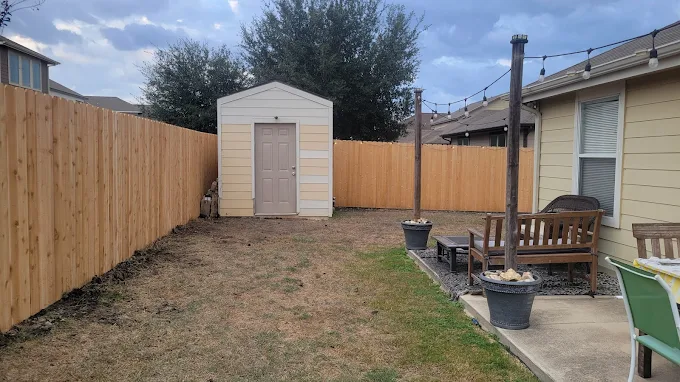
Exploring Sustainable Options for Residential Fencing
If you drive through neighborhoods in Plano, Frisco, or McKinney, you can almost “read” the age of each subdivision by its fences. Older wood fences leaning after a storm, newer vinyl panels still bright white, modern homes mixing metal and wood. More and more homeowners in North Texas are asking the same question: how do I choose a fence that looks great, lasts in this climate, and doesn’t create unnecessary waste?
According to the U.S. Census, Americans install or replace over 2 million residential fences each year. In a fast-growing area like Plano, where Collin County’s population has more than doubled since 2000, that’s a lot of lumber, metal, and plastic moving in and out of neighborhoods. The good news: you have far more sustainable options today than you did even 10 years ago.
This guide walks you through the most eco-conscious choices for residential fencing in Plano, how they perform in Texas weather, and what “sustainable” really means in practice—cost, lifespan, maintenance, and long-term impact. You’ll see real examples, practical tips, and comparisons to help you choose a fence that fits your home, your values, and your budget.
Key Insight: The most sustainable fence for your Plano home is the one that balances durable materials, smart design, and proper installation so you replace and repair less over time.
Rethinking “Green” Fencing: What Sustainability Really Means
Sustainability isn’t just about picking bamboo or recycled materials and calling it a day. For residential fencing, a sustainable choice in Plano comes down to three main factors:
- How long the fence lasts in our heat, sun, and storms
- How often it needs repairs, staining, or replacement
- How responsibly the materials are sourced and disposed of
A fence that rots out every 8–10 years and ends up in a landfill—even if it’s “natural”—may be less sustainable than a longer-lasting option that requires fewer replacements over 30 years.
In Plano, we also have to think about:
- Intense UV exposure that breaks down finishes and plastics
- Expansive clay soils that move and shift fence posts
- High-wind storms and hail that stress panels and posts
- HOA requirements and neighborhood aesthetics
For example, a homeowner off Preston Road replaced a 15-year-old cedar fence that had never been maintained. The wood looked “green” at first, but after multiple sections blew down and posts rotted, they were on their third major repair. They finally upgraded to a mixed-material design with steel posts, cedar pickets, and a cap-and-trim style. The new fence uses less wood overall, has a much longer projected lifespan, and is easier to repair in small sections—cutting down on future waste.
“The greenest fence is usually the one you don’t have to keep replacing.” — Veteran Fence Builder, North Texas
CALLOUT: When you think “sustainable,” think lifespan plus maintenance first, then material type. Long-term performance is where you see real environmental and financial savings.
Sustainably Sourced Wood Fences: Still a Smart Choice in Plano?
Wood fences are everywhere in Plano—and for good reason. They’re versatile, repairable, and offer excellent privacy. The question is: can a wood fence be a sustainable option?
The answer is yes, if you’re intentional about:
- Wood species
- Post and frame design
- Protective finishes and maintenance
Smarter wood choices
Cedar is a popular choice because it’s naturally resistant to rot and insects, which means fewer chemical treatments. When paired with steel posts instead of wood, a cedar fence can last significantly longer. A properly designed Wood Fence Installation that uses thicker pickets and quality fasteners will resist warping and splitting in the Texas sun.
Pressure-treated pine is often cheaper upfront, but it may twist and warp more in our heat. If you choose pine, a robust framing system and consistent Fence Maintenance become even more important.
Protecting your investment
One of the most sustainable decisions you can make with a wood fence is to protect it early and maintain it regularly. Professional Fence Maintenance and Fence Replacement planning can easily add 5–10 years to a fence’s life.
A Plano homeowner in the Legacy West area installed a 6-foot cedar privacy fence with steel posts and a high-quality stain. Five years in, the fence still looks rich and even; maintenance has been limited to a light wash and one recoat. Compare that to an unstained fence nearby that grayened quickly, with multiple warped boards replaced within the same timeframe.
For clients who want to reduce waste even further, services like professional Fence Maintenance and Fence Repair can extend the useful life of existing fences instead of tearing everything out at once.
CALLOUT: Sustainable wood fencing in Plano isn’t about skipping stain—it’s about using stain and proper installation to avoid early failure and premature replacement.
Low-Maintenance, Long-Life Options: Vinyl and Aluminum
If your priority is reducing maintenance and replacement cycles, vinyl and aluminum can be very sustainable options over the long run, especially in a suburban setting like Plano.
Vinyl fences: Durable and clean
Modern vinyl fences have come a long way. High-quality Vinyl Fence Installation can deliver:
- 20–30+ year lifespans
- Excellent privacy and wind resistance
- Minimal maintenance (just occasional washing)
In a Plano cul-de-sac near Coit Road, several neighbors chose vinyl fencing around a shared greenbelt. Over a decade later, the wood fences in the older part of the neighborhood are on their second or third round of repairs, while the vinyl looks nearly the same as the day it was installed, aside from some light cleaning.
From a sustainability standpoint, the key benefits are:
- Fewer replacements over time = less material in landfills
- No need for stains, paints, or sealers
- UV-resistant formulations designed for harsh sun
Aluminum fences: Lightweight and long-lasting
For front yards, pools, and open views, Aluminum Fences offer a great balance of durability and aesthetics. A professionally handled Aluminum Fence Installation is:
- Rust-resistant (unlike raw steel)
- Lightweight yet sturdy
- Often made with recycled content
These are especially popular around pools in Plano, where a Pool Fence Installation has to meet safety codes, resist chlorine exposure, and handle kids, pets, and constant use.
“Aluminum gives you the classic wrought iron look without the rust and heavy upkeep.” — Fence Design Specialist, DFW
Here’s how traditional wood compares with vinyl and aluminum from a sustainability perspective in Plano:
| Feature | Cedar Wood Fence | Vinyl Fence | Aluminum Fence |
|---|---|---|---|
| Typical Lifespan (Plano) | 12–18 years (well cared) | 20–30+ years | 25+ years |
| Maintenance Needs | High (stain/seal, repairs) | Low (wash occasionally) | Low (inspect, wash) |
| Upfront Cost | $$ | $$$ | $$$ |
| Replacement Frequency (30 yrs) | 1–2 full replacements | Possibly 0–1 | 0–1 |
| Best Use | Privacy, warm aesthetics | Privacy, low upkeep | Pools, front yards, decor |
CALLOUT: If you’re planning to stay in your Plano home 10+ years, factoring in both upfront and long-term costs often makes vinyl or aluminum a surprisingly sustainable—and cost-effective—choice.
Modern Metal & Mixed-Material Fences: Durable and Design-Forward
Plano’s newer neighborhoods and custom homes are embracing more contemporary looks, and that’s opened the door for very sustainable modern fence designs.
Corrugated and steel fences
Properly designed Metal Fence Installation using steel or corrugated panels can last decades with minimal structural degradation. Many systems use galvanized or powder-coated steel, which resists rust even in heavy storms.
A homeowner near Oak Point Park wanted a low-maintenance, modern fence that would stand up to wind. They chose a horizontal cedar-and-steel design: cedar boards framed in a black steel structure with corrugated metal accent sections. This approach:
- Reduced the amount of wood compared to a full privacy fence
- Created a rigid structure less likely to lean or sag
- Allowed for easy replacement of individual wood boards if needed
Mixed-material fences
Combining materials allows you to optimize for both sustainability and style. Common mixes include:
- Steel posts with wood or vinyl panels
- Masonry bases with wood or metal infill
- Wood frames with decorative metal or glass inserts
Mixed-material fences are often used in higher-end Residential Fence Installation as well as Commercial Fence Installation projects, where durability and appearance both matter.
Here’s a comparison of traditional vs. modern approaches:
| Aspect | Traditional All-Wood Fence | Mixed Material Fence |
|---|---|---|
| Material Variety | Single (wood) | Wood + metal, masonry, or glass |
| Lifespan | Moderate | Often longer due to stronger structure |
| Sustainability | Depends on maintenance | Often uses less wood, more durable frame |
| Aesthetic Flexibility | Classic, rustic | Modern, custom, highly designable |
| Repair Options | Replace boards or sections | Replace components, not entire fence |
By reducing the amount of organic material that can rot and combining it with long-lasting metals, mixed-material fences often hit a sweet spot for Plano homeowners who want a contemporary look that won’t need constant attention.
Sustainable Functionality: Privacy, Security, and Safety
Sustainability isn’t only about the materials—it’s also about how well your fence performs its job over time. A fence that fails to provide privacy, security, or safety can end up being reworked or replaced far sooner than necessary.
Privacy and noise control
Thoughtful Privacy Fence Installation uses:
- Proper height (often 6–8 feet, depending on codes and HOA)
- Overlapping or board-on-board pickets to minimize gaps
- Solid framing that resists wind and sagging
A family living near a busy street in west Plano upgraded from a spaced picket fence to a solid board-on-board cedar design. Not only did their backyard feel more private, but the noise level dropped significantly. Because the fence was engineered for wind load with steel posts and strong rails, it’s far less likely to lean or fail in a storm—extending its lifespan and reducing future waste.
Security and access control
A sustainable fence should also protect your home without constant fixes. Professionally planned Security Fence Installation and Gates with reliable Access Control systems help you avoid:
- Sagging gates that drag and wear out hardware
- Makeshift locks and add-ons that fail or rust
- Frequent adjustments or panel repairs
“The most common failure point in a fence is the gate. Build it right once, and you’ll save years of frustration and repairs.” — Project Manager, Fence Pros of Texas
For homes with pools, a well-designed Pool Fence Installation is both a safety requirement and a long-term investment. Choosing durable, code-compliant materials like aluminum or steel for pool enclosures means you’re not constantly fighting rust, loose latches, or warped pickets in a high-moisture environment.
CALLOUT: Function and sustainability go hand in hand. A fence that consistently does its job—privacy, security, and safety—avoids early replacement and extra materials down the road.
Extending Lifespan: Maintenance, Repair, and Smart Upgrades
One of the most sustainable decisions you can make is to take care of the fence you already have. In Plano’s climate, a little proactive attention goes a long way.
Strategic maintenance
Regularly scheduled Fence Maintenance can:
- Catch small issues (loose boards, early rot) before they spread
- Keep stains and sealers intact so wood doesn’t absorb moisture
- Prevent gate misalignment that strains hinges and posts
For instance, a homeowner in east Plano had a 10-year-old cedar fence that was starting to gray and show minor warping. Instead of tearing it out, they opted for cleaning, selective Fence Repair, and a professional restain. The result looked close to a new install at a fraction of the cost and with far less material heading to the landfill.
Smart repairs and partial replacements
Sometimes a full Fence Replacement is the right move, especially when posts are failing across large sections. But in many cases, targeted repairs or partial rebuilds can add years of life:
- Replacing rotted posts with steel while keeping good panels
- Swapping out warped boards in high-visibility areas
- Upgrading hardware and gate framing without touching the whole fence
When replacement is necessary, you can still make sustainable choices by:
- Reusing hardware or metal components where appropriate
- Choosing longer-lasting posts and framing systems
- Designing the new fence for easier future repairs
Homeowners who combine smart repairs, thoughtful upgrades, and high-quality Residential Fence Installation typically see much better long-term performance than those who treat fences as disposable.
CALLOUT: Every extra year you get from an existing fence is a win—less material used, less money spent, and less disruption to your yard.
What This Means for Homeowners in Plano, TX
Plano isn’t just any suburb—it’s a fast-growing, master-planned community with diverse neighborhoods, active HOAs, and a climate that punishes poorly built fences. Sustainable fencing here isn’t a trend; it’s a practical response to local conditions.
Between the expansive clay soils that shift seasonally and the powerful storms that roll across North Texas, your fence has to be more than just attractive. It needs:
- Strong posts and frames that resist movement and wind
- Materials that handle UV exposure and temperature swings
- Designs that meet neighborhood standards without constant repairs
In many of Plano’s established neighborhoods, original builder-grade fences are reaching the end of their lifespan. That creates a natural opportunity: instead of repeating the same short-lived approach, homeowners can choose longer-lasting systems—whether that’s upgraded cedar with steel posts, low-maintenance vinyl, or modern mixed-material designs.
Sustainability also shows up in your daily life:
- Less time and money spent on emergency fixes after storms
- Consistent privacy and security for your family and pets
- Higher curb appeal and property value when it’s time to sell
By working with an experienced local contractor that understands Plano’s soils, codes, and HOA expectations, you can design a fence that fits your home today and still looks great 10–20 years from now.
Frequently Asked Questions
Q: What’s the most sustainable fence material for Plano’s climate?
A: There isn’t a one-size-fits-all answer, but in Plano’s heat and clay soils, durable systems like properly installed cedar with steel posts, quality Vinyl Fences, and long-lasting Aluminum Fences tend to perform best over time. Cedar is a strong choice when combined with professional Wood Fence Installation and regular staining. Vinyl and aluminum shine when you want low maintenance and long lifespan, especially for Pool Fence Installation or decorative front-yard fencing. The most sustainable option is usually the one that matches your specific needs while minimizing replacements over 20–30 years.
Q: How often should I stain or seal my wood fence to keep it sustainable?
A: In Plano, most wood fences benefit from staining or sealing every 3–5 years, depending on sun exposure and the quality of the initial product. South- and west-facing fences take more UV abuse and may need attention closer to the 3-year mark. A professional Fence Maintenance plan that includes cleaning, inspection, and re-staining can dramatically extend the life of a Wood Fence. Skipping maintenance often leads to early rot, warping, and the need for a full Fence Replacement years earlier than necessary.
Q: Are metal and mixed-material fences really more eco-friendly than all-wood?
A: They can be, especially over the long term. High-quality Metal Fence Installation using steel or aluminum often lasts decades with minimal structural issues. When you pair metal posts and frames with wood or composite infill, you reduce the amount of organic material that can rot while keeping a warm look. Mixed-material fences also make it easier to perform targeted Fence Repair—you can replace boards or panels without tearing out the entire structure. Over 20–30 years, that often means less total material used and fewer full replacements.
Q: My existing fence is leaning and weathered. Should I repair or replace it?
A: The answer depends on what’s failing. If most of the posts are rotting or the structure is compromised across long stretches, a full Fence Replacement is usually the most sustainable choice. However, if the posts are solid and the issues are limited to warped boards, loose rails, or gate problems, strategic Fence Repair can buy you several more years. In Plano, many homeowners choose to replace fences in stages—addressing the worst sections first—while planning for a more durable system with better posts and framing.
Q: How do HOAs in Plano affect my sustainable fencing options?
A: Many Plano HOAs have guidelines on fence height, materials, and colors, especially for front yards and shared boundaries. That doesn’t mean you can’t build sustainably—it just means you need to work within those rules. For example, if your HOA requires a certain look, you might upgrade the structure (using steel posts or higher-grade materials) while keeping the approved style. Experienced local contractors who handle Residential Fence Installation in Plano regularly can help interpret HOA rules and propose sustainable options that still get approved.
Q: Are chain link fences ever a sustainable choice for residential properties?
A: Yes, in the right context. Chain Link Fences are durable, relatively low-cost, and can last many years with minimal maintenance. They’re often a smart solution for side yards, dog runs, or areas where privacy isn’t a priority. A quality Chain Link Fence Installation with vinyl-coated mesh can blend better visually and resist rust. While they may not be the first choice for front-facing aesthetics in many Plano neighborhoods, they’re a very practical, long-term option for functional enclosures.
Q: How can I make my new fence more sustainable if I still want a traditional wood look?
A: You have several options. Start with a robust Wood Fence Installation that uses steel posts, quality cedar pickets, and strong framing. Add professional staining or sealing within a few weeks of installation, then keep up with Fence Maintenance every few years. Consider a design that uses slightly fewer materials—such as well-spaced decorative sections in low-privacy areas—while still giving you solid coverage where you need it. Planning for durable gates and hardware is also key, since gates are common failure points that can shorten the life of an otherwise good fence.
Ready to Get Started?
Plano’s growth isn’t slowing down, and neither is the wear and tear on neighborhood fences. If your fence is leaning, rotting, or just not doing its job anymore, this is the ideal time to rethink your approach and choose a more sustainable solution. Materials costs, weather patterns, and HOA standards all change over time, but a carefully designed, professionally installed fence will serve your home for decades.
Fence Pros of Texas has extensive experience with Residential Fence Installation, Fence Repair, and sustainable design options across Plano and the surrounding North Texas communities. Whether you’re considering cedar, vinyl, aluminum, or a modern mixed-material design, we’ll help you weigh upfront costs against long-term performance so you can make a confident decision.
Schedule a consultation to walk your property, review your current fence, and explore options tailored to your home, HOA, and budget. The sooner you start, the more likely you are to upgrade before the next major storm tests your fence again.
About Fence Pros of Texas
Fence Pros of Texas is a locally focused fencing contractor serving Plano and the greater North Texas area. Our team specializes in high-quality Residential Fence Installation, Commercial Fence Installation, gates, and sustainable fence solutions designed for Texas soils and weather. With years of hands-on experience, attention to detail, and a commitment to long-term performance, we help homeowners and businesses choose fences that look great and last. Learn more about our services and projects at our website.