
Homeowners across Plano, TX are rethinking what it means to improve curb appeal. It’s no longer just about the sharpest design or tallest fence; it’s about how those choices affect the environment, long-term costs, and the health of our own backyards. Exploring eco-friendly residential fencing solutions matters right now because the materials and construction practices we choose can either contribute to waste and pollution or help conserve resources, reduce toxins, and support more sustainable communities.
In a region like North Texas, where intense sun, occasional storms, and rapid development are part of daily life, the fence around your home plays a bigger role than just marking boundaries. It influences water runoff, heat absorption, maintenance needs, and even local wildlife movement. That is why more Plano homeowners are asking companies like Fence Pros of Texas for fences that deliver privacy, security, and style without sacrificing environmental responsibility.
Eco-friendly fencing is not a single product or brand; it’s a mindset. It means looking at the entire life cycle of a fence—from raw material sourcing and manufacturing, to installation, maintenance, and eventual replacement. When you examine each of those stages with sustainability in mind, very different options start to rise to the top, and some traditional choices lose their appeal. Understanding those trade-offs is the first step to choosing a fence that matches your values as well as your home.
What Makes A Fence Eco-Friendly?
To understand eco-friendly fencing, it helps to look beyond the marketing labels. A fence can be called “green” for many reasons: it might be made from recycled materials, harvested from responsibly managed forests, produced with low emissions, or designed to last longer so it doesn’t end up in a landfill as quickly. The key is to examine how the material is sourced, how it performs over time in Plano’s climate, and how easily it can be reused, recycled, or safely disposed of.
Durability is one of the most overlooked parts of sustainability. A cheap fence that fails in five years and must be replaced twice over the life of a high-quality alternative actually uses far more resources. Eco-conscious homeowners should look at expected lifespan, resistance to rot and pests, and the kind of maintenance required. A fence that demands constant repainting with solvent-based products, or frequent replacement of rotted posts, may quietly undermine your sustainability goals.
Another crucial factor is toxicity. Some traditional wood treatments contain chemicals that can leach into soil, affecting plants, pets, and groundwater. Similarly, low-quality plastics may degrade quickly under Texas sun, releasing microplastics. When you work with an experienced installer like Fence Pros of Texas, you can discuss safer finishes, low-VOC products, and materials that avoid harmful preservatives while still standing up to local weather.
Finally, think about the fence’s impact on your yard’s micro-ecosystem. Solid walls that block all light and airflow can create heat islands and disrupt natural drainage. More open styles can allow breezes, support climbing plants, and create habitats for beneficial insects and birds. Eco-friendly fencing often blends practical performance with thoughtful design that respects the surrounding environment.
Sustainable Wood And Alternative Lumber
Wood has a natural, timeless appeal that feels right at home in many Plano neighborhoods. But not all wood is environmentally equal. Eco-friendly wood fencing starts with responsible sourcing. Options such as FSC-certified lumber come from forests managed for long-term health, biodiversity, and reduced environmental impact. Asking about certification and origin is a simple way to ensure your fence isn’t contributing to deforestation or irresponsible logging practices.
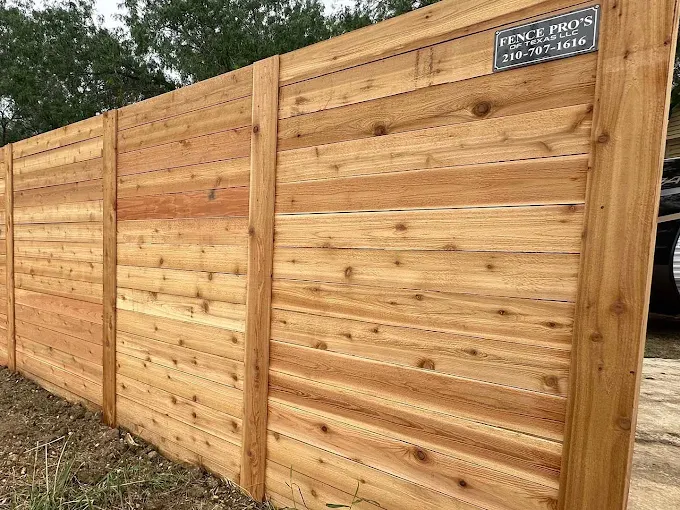
In North Texas, species like cedar are popular because they naturally resist decay and insects better than many softwoods. This natural resilience reduces the need for aggressive chemical treatments and frequent replacement. When you pair a long-lasting species with high-quality construction from Fence Pros of Texas, you extend the life of the fence and lower the total amount of wood you consume over the years.
Alternative lumber products, such as engineered wood or composite boards that incorporate recycled fibers, are another path to sustainability. These materials are designed to look like wood while offering improved resistance to rot, warping, and pests. In many cases, they are made from wood waste or by-products that would otherwise end up in landfills. For Plano homeowners who like the warmth of wood but want less maintenance and longer lifespans, these hybrid solutions can strike a smart environmental balance.
Finishes and treatments also matter. Low-VOC stains and sealers protect wood without releasing as many harmful fumes into the air. Choosing lighter colors can help reflect some of the Texas sun, reducing heat absorption and slowing weathering. Fence Pros of Texas can recommend finish systems that extend lifespan, keep your fence visually appealing, and minimize environmental impact at the same time.
Recycled Metal And Long-Life Options
Metal fencing is often seen as purely functional, but from a sustainability standpoint, it has some powerful advantages. Steel and aluminum are highly recyclable materials, and many metal fence products already contain a substantial percentage of post-consumer or post-industrial recycled content. This reduces the demand for virgin ore and the energy-intensive mining that goes with it.
In terms of lifespan, metal fences can outlast many other materials when properly installed and maintained. Powder-coated steel or aluminum fencing resists rust and fading, even under Plano’s strong sun and occasional storms. That extended service life means fewer replacements over the decades, fewer materials heading to the landfill, and less disruption to your yard. When you spread the environmental cost of manufacturing over 30 or more years, metal can be a surprisingly eco-friendly choice.
From an aesthetic and functional standpoint, metal fences are versatile. Open picket or ornamental designs allow breezes and light to pass through, reducing heat build-up and supporting a healthier microclimate around your home. They can be paired with shrubs, vines, or other plantings to soften the look and create living screens that provide shade and habitat for wildlife. With careful planning, a metal fence can become the framework for a lush, green perimeter that enhances biodiversity.
Installation technique is another sustainability factor. Using long-lasting concrete footings, quality fasteners, and proper drainage details ensures the fence stays stable without frequent repairs. Fence Pros of Texas understands local soil conditions in Plano, so posts are set and anchored in ways that maximize lifespan and minimize the risk of premature failure, which in turn conserves materials and labor over time.
Recycled Plastics And Composites
Eco-conscious homeowners sometimes overlook recycled plastics and composite fencing because they assume it looks “too synthetic.” Modern products, however, have come a long way in both appearance and performance. Many composite fences are made from a blend of recycled plastic and wood fibers, transforming what would be waste into a durable building material. This diverts plastic from landfills and reduces demand for virgin lumber.
In Plano’s climate, UV exposure is a major stressor. High-quality composite and recycled plastic fences are engineered to resist fading, cracking, and warping under intense sun and temperature swings. Their durability means fewer replacements and less frequent repairs, which is a critical part of sustainability. You’re not just reusing materials—you’re also ensuring they stay in service for as long as possible before needing to be recycled again.
Maintenance needs are another environmental advantage. These fences typically require no painting or staining, eliminating the ongoing use of solvents, brushes, and containers. Occasional washing with water is often enough to keep them looking fresh. By reducing the number of chemical products brought onto your property, you lower the risk of runoff into lawns, gardens, and storm drains, which is especially important during North Texas rainstorms.
Because composite and recycled plastic fencing can be manufactured in a variety of colors and textures, homeowners can choose styles that complement their home’s architecture while still aligning with eco-friendly goals. Fence Pros of Texas can help you compare different brands and profiles, weighing factors like recycled content, manufacturer warranties, and end-of-life recyclability so your choice is informed and intentional.
Living Fences And Hybrid Designs
One of the most creative ways to think about eco-friendly fencing is to treat the fence line as a living system rather than a hard edge. Living fences use hedges, shrubs, bamboo, or trained vines to create screens that offer privacy, shade, and habitat for birds and pollinators. In Plano, where the growing season is long and sunlight is abundant, living fences can thrive when paired with the right plant species and irrigation strategy.
Purely vegetative barriers can take time to establish, which is why many homeowners opt for hybrid designs. For example, a metal or wood frame provides structure and immediate security, while climbing plants such as star jasmine, crossvine, or native honeysuckle gradually fill in the gaps. Over time, the living elements soften the appearance of the fence, improve air quality, and contribute to cooler microclimates along property lines.
Living fences also play a role in stormwater management. Root systems help absorb rainfall and reduce runoff, which is beneficial in neighborhoods with compacted soils and lots of hard surfaces. By integrating raised beds, permeable pathways, or rain gardens along the fence line, you can turn a simple boundary into part of a larger, eco-friendly landscape strategy. Fence Pros of Texas can coordinate fence placement and design with your landscaper to ensure both hardscape and plants work together effectively.
Of course, living fences require thoughtful planning: plant selection suited to local conditions, consideration of mature size, and awareness of HOA rules or city codes in Plano. But when done well, they offer a uniquely sustainable solution that blends privacy, beauty, and environmental benefits in a way traditional fences alone cannot match.
Eco-Friendly Installation And Local Considerations
Even the greenest materials can lose some of their advantage if the installation process is wasteful or poorly planned. Eco-friendly fencing in Plano starts with smart layout and design. Placing gates, corners, and post spacing strategically can minimize material waste, reduce the need for cuts, and improve structural stability. A professional contractor like Fence Pros of Texas brings experience that helps optimize both performance and resource use.
Soil management is another important factor. Digging post holes, mixing concrete, and disposing of excavated soil all have environmental implications. Reusing soil on-site where possible, avoiding unnecessary disturbance of tree roots, and ensuring proper drainage around posts can help protect existing vegetation and reduce erosion. In some cases, alternative footing systems or smaller concrete volumes may be appropriate, further reducing material use.
Local regulations and HOA guidelines in Plano, TX also shape what is feasible. Some communities may encourage certain materials or styles for aesthetic consistency, while the city may have height limits or visibility requirements near driveways and intersections. Working with a local company that understands these rules helps avoid costly rework and ensures your eco-friendly intentions align with compliance requirements.
Finally, think about the fence’s long-term care plan. Choosing finishes that can be easily refreshed, hardware that can be replaced without dismantling entire sections, and designs that allow for panel-by-panel repair all support sustainability. Fence Pros of Texas can walk you through maintenance expectations and suggest strategies for extending the life of your investment while keeping its environmental footprint as low as possible. For those comparing options, it can also be helpful to look at alternatives like Chain Link Fences, which can be customized with coatings and vegetation to improve both durability and eco-performance.
Frequently Asked Questions
What is the most eco-friendly fencing material for Plano, TX? There is no single “best” material for every property, but some standouts for Plano include responsibly sourced cedar, recycled-content metal, and high-quality composite fencing. Each offers durability, low maintenance, and reduced environmental impact compared to short-lived or heavily treated alternatives. The right choice depends on your priorities for appearance, privacy, budget, and the level of maintenance you are willing to handle over time.
Are wood fences still a good choice if I want to be eco-conscious? Yes, wood can be eco-friendly when you choose the right species, sourcing, and finishes. Look for certified or locally sourced lumber, naturally durable woods like cedar, and low-VOC stains or sealers. Proper installation and regular but gentle maintenance help extend the fence’s life, which is critical to reducing its overall environmental footprint. Discussing these details with Fence Pros of Texas ensures your wood fence is designed with sustainability in mind from the start.
Do eco-friendly fences cost more than traditional options? Upfront, some eco-friendly materials can be slightly more expensive, especially products with higher recycled content or premium finishes. However, these costs are often offset by longer lifespans, lower maintenance needs, and fewer repairs. Over 10–20 years, the total cost of ownership for a durable, sustainable fence can be equal to or even less than a cheaper fence that requires frequent replacement or intensive upkeep.
Can my existing fence be upgraded to be more environmentally friendly? In many cases, yes. If the structure is sound, you may be able to replace only damaged boards, switch to low-VOC finishes, add plantings to create a living screen, or retrofit hardware with more durable, corrosion-resistant options. Fence Pros of Texas can assess your current fence in Plano and recommend whether repair, partial replacement, or a full eco-friendly upgrade will give you the best balance of sustainability and value.
How do I start planning an eco-friendly fence project? Begin by clarifying your goals: privacy level, security, style, and budget. Then, consider how long you want the fence to last and how much maintenance you are comfortable performing. With that information, schedule a consultation with a local specialist like Fence Pros of Texas, who can evaluate your property, explain material options, and design a fence that aligns with both your practical needs and environmental values. From layout to material selection and installation methods, every step can be tailored to be as eco-conscious as possible.