
Most homeowners get the idea of “durable” fencing materials backward. They obsess over what looks toughest on day one – the heaviest board, the flashiest metal, the darkest stain – and assume that equals long-term strength. In reality, true durability is less about initial appearance and more about how a material behaves over years of Texas sun, sudden storms, shifting soil, and daily use. A fence can look rock-solid when it’s installed and still start failing in just a few seasons if the material doesn’t match the climate and the way the property is used.
Another thing people often get wrong is treating durability as a single trait instead of a combination of factors. A material might resist rot but be prone to warping. It might be incredibly strong but require constant maintenance. Or it might last decades structurally while looking worn-out after only a few summers. For homeowners in Plano, TX, where Fence Pros of Texas installs and repairs fences every day, durability means balancing weather resistance, structural integrity, maintenance needs, and long-term appearance. Choosing the right material is less about picking the “best” overall and more about matching the fence to the reality of North Texas living.
Durable residential fencing starts with understanding how materials perform locally, not just what looks good in a catalog. Plano’s hot summers, occasional freezes, clay-heavy soil, and strong winds create a specific stress test for any fence. A material that holds up in a mild coastal climate may fail fast in Collin County. That’s why the most successful projects begin with a conversation about materials: wood, vinyl, metal, and composites each offer different strengths, weaknesses, and costs over time. When Fence Pros of Texas plans a project, the focus is on what will still be standing straight, secure, and attractive ten or fifteen years from now, not just how it looks on the day of installation.
Understanding Durability In Fences
Durability in residential fencing is not just about how long a fence stands before it collapses. It includes how well it maintains its shape, color, and strength under continual exposure to sunlight, moisture, wind, and physical use. A truly durable fence resists sagging, leaning, splitting, rusting, and rotting, and it does so with reasonable maintenance. When evaluating materials, Fence Pros of Texas looks beyond manufacturer claims and considers real-world performance in Plano’s neighborhoods, from older subdivisions with clay soil movement to newer communities with strict HOA standards.
Weather is a major factor in durability. Plano experiences intense UV exposure, which breaks down finishes and weakens certain plastics over time. Sudden thunderstorms bring heavy rain and strong gusts that push against long fence runs. Winter may be short, but freeze-thaw cycles can still affect posts and footings. A material that can’t handle these changes will show it quickly: boards start to cup, posts begin to lean, paint peels, and metal corrodes. For a fence to be truly durable here, it must be designed to work with the climate rather than against it.
Soil conditions also play a critical role in how long a fence material remains reliable. Plano’s expansive clay soil swells when wet and shrinks when dry, putting stress on fence posts and panels. Even the strongest material can fail if the posts are not properly set or if the material is too rigid to accommodate minor movement. That’s why Fence Pros of Texas pairs durable materials with proper installation techniques, such as adequate post depth, concrete footings, and correct spacing. Material choice and installation quality work together; one without the other will never deliver the long-term durability homeowners are expecting.
Pressure-Treated Wood And Cedar
Wood remains one of the most popular choices for residential fencing in Plano, and for good reason. When the right species and treatments are used, wood offers a strong balance of durability, privacy, and visual warmth. Pressure-treated pine is a common structural choice because it is chemically treated to resist rot and insect damage. This makes it a practical option for fence posts and lower rails that have direct contact with soil and moisture. Cedar, on the other hand, is naturally resistant to decay and provides a more refined appearance for pickets and visible components.
Durability with wood starts long before the first board is installed. Properly dried, graded lumber that is rated for ground contact where necessary is critical. Cheap, low-grade boards can twist, crack, and warp quickly under Texas sun, even if they are technically “treated.” Fence Pros of Texas selects materials with known performance in local conditions, often combining pressure-treated posts with cedar pickets to extend the lifespan of the fence while delivering a more upscale look. This hybrid approach can provide excellent durability without the cost of using cedar for every component.
Maintenance is the make-or-break factor for wood durability. Even the best cedar or treated pine will degrade prematurely if left unprotected. Plano homeowners who invest in staining and sealing soon after installation, and then reapply at recommended intervals, dramatically extend the life of their wood fences. A good stain shields against UV rays and moisture penetration, reducing cracking and color fade. Fence Pros of Texas often recommends semi-transparent or solid stains that complement the home’s exterior while providing robust protection. With the right care, a well-built wood fence can remain sturdy and attractive for 15 to 20 years, sometimes longer.
Design details also influence how durable a wood fence will be. Adequate gaps between boards, proper spacing of posts, and using galvanized or coated fasteners all reduce stress on the wood. Cap rails can protect the tops of pickets from water infiltration, while kickboards or rot boards at the bottom can take the brunt of moisture and soil contact. When these design elements are combined with quality cedar or pressure-treated wood and professional installation, the result is a wood fence that can withstand Plano’s weather and still look good over the long term. Homeowners interested in traditional style and warm aesthetics often explore options like Wood Fences as a starting point for their project.
Vinyl Fencing For Low Maintenance
Vinyl fencing has become a go-to choice for homeowners who prioritize low maintenance and long-lasting color. Unlike wood, vinyl does not rot, warp, or attract termites, and it never needs painting. For Plano residents who prefer to avoid recurring maintenance tasks, this can be a major advantage. A properly installed vinyl fence can remain structurally sound and visually consistent for decades, needing little more than an occasional rinse with a garden hose to remove dust or pollen.
Durability with vinyl comes from both the material composition and the internal reinforcement. High-quality vinyl fencing includes UV inhibitors that protect against sun damage and fading. Cheaper, thin-walled products may look similar at first glance but can become brittle and discolored after a few hot summers. Fence Pros of Texas focuses on heavier-gauge vinyl systems that are designed for high-heat environments like North Texas, which helps prevent cracking and chalking over time. In some designs, metal reinforcement is used inside the rails or posts to add strength against wind loads.
One of the key advantages of vinyl is its resistance to moisture-related problems. It does not absorb water, so there is no swelling, shrinking, or rotting. This makes vinyl fences particularly well-suited to areas of a yard that remain damp or where irrigation overspray is unavoidable. In Plano’s clay soils, where ground movement can be an issue, flexible vinyl sections can also help absorb minor shifts without the visible cracking that might occur with more rigid materials. However, correct post installation and concrete footings are still essential for long-term performance.
Vinyl does have some trade-offs that homeowners should consider. While it is very durable in terms of weather resistance, it can be more susceptible to impact damage from heavy objects or severe storms. Repairing a damaged section may require replacing entire panels rather than individual boards, depending on the system. Additionally, the look and feel of vinyl is different from natural wood, which some homeowners love and others do not. Fence Pros of Texas often walks clients through samples and real-world examples so they can see how vinyl fences age in Plano neighborhoods and decide whether its particular form of durability aligns with their expectations.
Metal Options: Wrought Iron And Steel
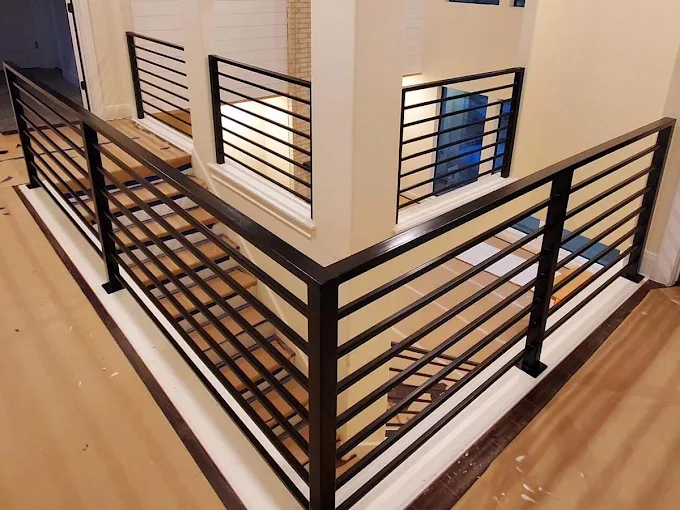
For homeowners focused on strength, security, and a more open, elegant appearance, metal fencing stands out as a durable option. Traditional wrought iron, along with modern steel and ornamental metal systems, offers excellent structural integrity and resistance to physical impact. These fences are particularly popular around front yards, pools, and properties that back up to greenbelts or open spaces in Plano, where maintaining visibility and airflow is just as important as defining boundaries.
Metal’s durability advantage lies in its rigidity and long-term structural stability. Properly fabricated and installed steel or wrought iron fences can last several decades. The vertical pickets and welded connections create a strong barrier that resists bending and sagging. Fence Pros of Texas often recommends powder-coated steel systems that combine the classic look of wrought iron with modern corrosion protection. The powder coating acts as a durable finish, helping to protect the metal from rust even in areas where irrigation or rainwater may regularly contact the fence.
However, metal is not immune to the environment, and its durability depends heavily on finish quality and maintenance. In Plano’s climate, where high humidity is less of an issue than in coastal areas but sprinklers and occasional standing water are common, any breach in the coating can eventually lead to rust. Regular inspections, touch-up painting, and avoiding prolonged contact with wet soil help preserve metal fences. When Fence Pros of Texas designs a metal fence, they pay careful attention to post foundations and drainage to minimize rust risk at the base, where problems most often start.
Metal fencing also excels in combination applications. Many Plano homeowners choose a solid wood or vinyl fence for side and back property lines to ensure privacy, while using ornamental metal along the front or in specific sections where visibility and aesthetics are a priority. This mixed-material approach leverages the durability and elegance of metal without sacrificing privacy where it matters most. When thoughtfully planned, a steel or wrought iron fence can remain a defining feature of a property for decades, even as landscaping and exterior finishes change around it.
Composite And Hybrid Solutions
Composite fencing, made from a blend of wood fibers and plastic, has emerged as a strong contender for homeowners who want the visual warmth of wood with the low maintenance of synthetic materials. These systems are engineered to resist rot, insect damage, and warping, addressing some of the most common reasons traditional wood fences fail prematurely. In a climate like Plano’s, where sun and moisture cycles are relentless, composites can provide a very stable, long-lasting alternative.
The durability of composite fencing comes from its engineered structure. The plastic component helps seal out moisture, while the wood fibers add rigidity and a more natural appearance. High-quality composite products are also infused with UV inhibitors to combat fading and surface degradation. Fence Pros of Texas evaluates different composite brands with an eye on how they perform in Texas heat, since not all products are created equally. Denser boards with protective caps or shells tend to hold up better over time, both structurally and visually.
One of the practical benefits of composite fencing is the reduced maintenance burden. Unlike wood, composites do not require staining or sealing, and they are less prone to surface splintering. An occasional wash is usually sufficient to keep them looking clean. This can be a major advantage for busy homeowners in Plano who want a long-lasting fence without committing to regular refinishing. At the same time, composite fences often come in consistent colors and textures, which can help satisfy HOA requirements and maintain a uniform neighborhood appearance.
Hybrid solutions extend beyond just composite boards. Many durable fence designs in Plano use a combination of materials to maximize lifespan and performance. For example, steel posts paired with composite or wood rails and pickets can deliver superior structural durability where it matters most: in the ground. Using metal posts eliminates one of the primary failure points in traditional wood fences, which is post rot at the soil line. Fence Pros of Texas frequently recommends these hybrid systems to homeowners who want the look of wood or composite but also want the long-term stability of steel in the foundation of the fence.
Choosing The Right Material In Plano
Selecting a durable fencing material in Plano is ultimately a matter of matching the product to the property and the homeowner’s priorities. Some families need maximum privacy and sound buffering, pushing them toward solid wood, composite, or vinyl options. Others prioritize visibility, security, and style, making ornamental metal or mixed-material solutions more appealing. Fence Pros of Texas starts by asking how the fence will be used: Is it mainly for privacy, to keep pets contained, to enhance curb appeal, or all of the above?
Budget and long-term cost of ownership are also critical considerations. A lower upfront cost may come with higher maintenance demands and a shorter lifespan, while a more expensive material might pay off over time through reduced repairs and refinishing. For example, a well-built cedar fence with regular staining can be very durable but requires ongoing care. A vinyl or composite fence may cost more initially but saves on maintenance and often lasts longer structurally. Fence Pros of Texas helps Plano homeowners weigh these trade-offs with realistic expectations rather than marketing promises.
Local regulations, HOA guidelines, and lot conditions cannot be ignored in material selection. Many Plano neighborhoods have specific rules about fence height, color, and style, and some even specify acceptable materials. Soil type, drainage patterns, and the presence of trees or existing structures further influence what will perform best. During an on-site consultation, Fence Pros of Texas assesses these factors, recommends suitable materials, and explains how each choice will likely age in that particular setting.
Ultimately, the most durable fence is the one that fits the environment, the homeowner’s lifestyle, and the property’s needs. Whether the decision leans toward cedar, vinyl, metal, composite, or a hybrid system, the goal is the same: a fence that stands straight, performs reliably, and still looks good long after installation. In Plano’s demanding climate, that kind of durability only comes from a thoughtful combination of quality materials and professional installation.
Frequently Asked Questions
Which fencing material lasts the longest in Plano, TX? In terms of sheer lifespan, high-quality metal (such as powder-coated steel or wrought iron) and well-made vinyl or composite fences generally outlast traditional wood. Metal fences can last several decades with proper maintenance, particularly when the finish is maintained and rust is addressed early. Vinyl and composite systems are engineered to resist rot, insects, and warping, and they hold up very well to Plano’s sun and storms. That said, a properly installed and maintained cedar fence with steel posts can also deliver an impressive lifespan, so the “longest lasting” choice depends on balancing aesthetics, budget, and maintenance commitment.
Are wood fences still a durable option in North Texas? Yes, wood fences can be very durable in Plano when the right species, treatments, and installation methods are used. Pressure-treated posts combined with cedar pickets, quality fasteners, and proper post depth create a strong foundation. The key is ongoing maintenance: staining and sealing protect the wood from UV damage and moisture, significantly extending its service life. Many Plano homeowners choose wood because it offers excellent privacy and a classic appearance, and with help from Fence Pros of Texas, they can design a wood fence that resists warping, rotting, and premature aging.
How much maintenance do vinyl and composite fences really need? Vinyl and composite fences are popular largely because they require very little maintenance compared to wood. They do not need painting, staining, or sealing, and they are resistant to rot and insect damage. Most of the time, maintenance involves occasional cleaning with a hose or mild detergent to remove dust, pollen, or mildew. While they are not completely maintenance-free—inspections for damage and cleaning are still wise—the effort and cost over time are substantially lower than with traditional wood fences. This makes them attractive for homeowners who want long-term durability without ongoing refinishing.
Will metal fences rust quickly in Plano’s climate? Plano is not as harsh on metal as coastal environments, but rust is still a concern wherever water and bare steel meet. The good news is that modern ornamental steel systems are usually powder-coated, providing a robust protective layer against corrosion. When Fence Pros of Texas installs metal fencing, they focus on proper drainage around posts and avoiding prolonged contact with wet soil, which are common rust trouble spots. Regular inspections and prompt touch-up of any scratches or chips in the finish go a long way toward preventing serious rust issues, allowing metal fences to remain durable and attractive for many years.
How do I decide which material is best for my property? The best material depends on your priorities: appearance, privacy, maintenance tolerance, budget, and how long you plan to stay in the home. Start by thinking about how you use your yard—do you need complete privacy, a secure space for pets, or an open view? Then consider how much time and money you are willing to invest in ongoing care. Fence Pros of Texas can visit your Plano property, evaluate soil and site conditions, review any HOA or city requirements, and present material options with clear pros and cons. With that information, you can choose a fencing material that offers the durability you need and the look you want for the long term.