
Most homeowners who try to get creative with garden fencing make the same mistake: they start by shopping for materials instead of starting with a vision. They walk the aisles of a home improvement store in Plano, TX, see panels and posts lined up like soldiers, and assume their only choice is between “wood” and “not wood.” The result is a fence that may be functional, but it doesn’t really say anything about the garden it surrounds or the people who live there. It becomes a background object instead of a design feature that frames your outdoor space.
Another common misstep is focusing only on privacy or security and ignoring the personality of the yard. In a region like Plano, where outdoor living is a big part of daily life, a fence can be more than a barrier; it can be a canvas. When Fence Pros of Texas designs and installs fences, we see how a thoughtfully planned fence can make a small garden feel larger, a plain yard feel lush, or a typical suburban lot feel like a custom retreat. The most memorable garden fences blend practicality with creativity, using shape, texture, and even light to change how the space feels.
Creative garden fencing is not about copying something from a magazine; it’s about using ideas as inspiration and then tailoring them to your property, your lifestyle, and the Plano climate. Whether you’re working with a compact backyard near downtown or a wide, open lot on the edge of the city, there are ways to add character without sacrificing durability or code compliance. With the right design, your fence stops being just “the edge of the yard” and starts becoming a key part of your landscape story.
Design With A Theme
One of the most effective ways to make your garden fence feel intentional is to choose a theme before you think about boards and posts. A theme is not necessarily a strict style like “modern” or “farmhouse”; it can be something looser, like “secret garden,” “Texas Hill Country,” or “urban oasis.” When Fence Pros of Texas works with homeowners in Plano, we often start by asking how they want the space to feel: cozy, open, playful, elegant, or wild. That emotional goal becomes the compass for every fencing decision that follows.
For a “secret garden” feel, you might choose a slightly taller, semi-solid wood fence with narrow gaps that allow glimpses of greenery but still create seclusion. Climbing roses, jasmine, or star jasmine can be trained along the fence to soften the lines and add fragrance. A small, arched gate with decorative hardware can become a focal point, hinting that there’s something special behind it. The theme guides not just the materials but the shapes, heights, and decorative details.
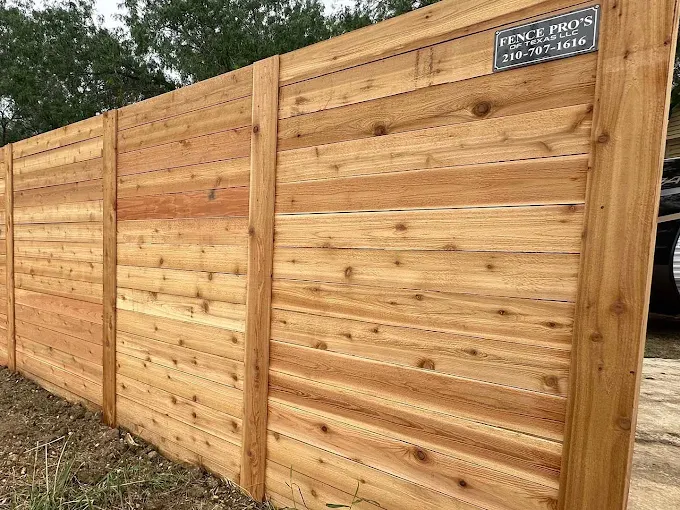
If your vision leans toward a “Texas Hill Country” vibe, your fence could mix stone or brick columns with horizontal cedar or redwood planks, echoing natural materials found across the state. The warm tones of the wood complement Plano’s sun-drenched landscapes, and the rhythm of stone-and-wood sections adds a handcrafted look. Native plants like sage, salvia, and ornamental grasses planted along the fence line can reinforce the theme and make the boundary feel like a natural extension of the garden, not a hard stop.
For a more contemporary “urban oasis,” think clean lines and contrast. Sleek horizontal boards, dark-stained wood, or powder-coated metal panels can create a sophisticated backdrop for container gardens and sculptural plants. Integrating narrow windows or metal screens in select sections keeps the design from feeling too monolithic. In each case, the theme becomes the thread that ties the fence to your home’s architecture and your planting choices, creating a cohesive outdoor environment.
Mix Materials For Texture
Creative fences often break away from the idea that everything has to match perfectly. Mixing materials strategically can add depth and texture, making your garden boundary visually interesting from both inside and outside the yard. In Plano, where many neighborhoods feature similar lot sizes and layouts, a mixed-material fence is a simple way to differentiate your property without going overboard.
A classic combination is wood with metal. For example, you might choose rich cedar boards framed with black steel posts and rails. The metal adds structure and durability, while the wood softens the look and feels more organic. In select sections, you can introduce decorative metal screens with laser-cut patterns. These screens can be used as accents near a seating area or outdoor kitchen, allowing light to filter through in intricate shapes that change throughout the day.
Stone or brick paired with wood is another powerful combination, especially for homeowners who want a sense of permanence and solidity along with warmth. Stone columns spaced at intervals can anchor long runs of wood fencing, breaking up the expanse and adding a sense of rhythm. In corners or near garden beds, the stone can extend into low walls that double as seating or raised planters. Fence Pros of Texas often sees homeowners in Plano gravitate toward this approach because it blends well with both traditional and modern home styles.
Even within a single material, you can mix textures. Consider alternating smooth boards with rough-sawn ones, or using different board widths to create subtle striping effects. You can also play with orientation: vertical boards in one section, horizontal in another, maybe even a herringbone or chevron pattern for a feature panel. When these variations are planned carefully, they add visual richness without making the fence feel chaotic.
Use Height And Shape Creatively
Many people assume a fence has to be one consistent height all the way around the yard, but that’s not always required, and it’s rarely the most interesting choice. Varying the height and shape of your fence can solve practical problems while adding character. In Plano, where neighbors may have two-story homes and elevated decks, sections of increased height can add privacy exactly where you need it without turning the entire yard into a fortress.
One idea is to step the fence height up or down as the terrain changes, rather than forcing a perfectly level top line. This can follow the natural slope of your yard, which is especially useful if your property isn’t completely flat. The stepped pattern becomes a design feature, especially when paired with plantings that echo the rise and fall of the fence. Taller sections can be placed behind a seating area or hot tub for privacy, while lower sections can frame views of a favorite tree or garden bed.
You can also introduce curves or arches to soften the silhouette of your fence. An arched top along a garden path or around a gate creates a welcoming gesture and draws the eye toward entry points. In some cases, alternating between flat and arched sections can create a gentle wave effect that feels more organic than a rigid straight line. These design choices are subtle but powerful in reshaping how the boundary feels.
Another creative approach is to combine solid and open sections in deliberate patterns. For example, you might have a solid, full-height fence around most of the perimeter for privacy, but near the front or along a side yard, switch to a lower, more open design such as a picket or rail fence. This transition can be handled with trellised panels that gradually open up, visually connecting the private backyard to the more public front yard while maintaining security for kids and pets.
Turn Your Fence Into A Garden Wall
The fence itself can become part of your planting strategy rather than just a backdrop. For smaller Plano yards where horizontal space is limited, using the fence as a vertical garden surface is a smart way to add greenery without sacrificing usable ground. This approach works especially well along narrow side yards or behind patios where every square foot matters.
One idea is to mount modular planter boxes or troughs directly onto the fence panels. These can be arranged in grids or staggered patterns to create living art. Herbs, compact vegetables, and trailing flowers like petunias or ivy can thrive in these pockets, turning the fence into a productive and decorative feature. Make sure the fence structure is designed to support the extra weight and that irrigation is planned so water doesn’t damage the wood or metal.
Trellis panels are another powerful tool. Instead of buying separate freestanding trellises, you can integrate lattice or metal trellis sections into the fence design itself. Climbing plants like bougainvillea, climbing roses, or grapevines can quickly cover these sections, softening the fence and adding seasonal interest. In Plano’s sun, a green wall can also create welcome shade for seating areas or windows.
For a more minimalist approach, consider mounting simple horizontal rails or cables on part of the fence and training vines along them. This keeps the overall look clean while still introducing a living layer. Fence Pros of Texas often recommends choosing plants that handle heat and occasional drought well, so your vertical garden remains attractive through Texas summers. Over time, these planted sections can become the most photographed part of your yard.
Play With Color, Light, And Details
Color is one of the easiest ways to transform a basic fence into a design statement. Instead of defaulting to natural wood tones or standard beige, consider how color can interact with your plants and hardscaping. In Plano’s bright light, deeper stains like espresso or charcoal can make greenery pop, creating a dramatic contrast. Lighter colors, like soft gray or warm tan, can make a small yard feel more open and airy.
A creative strategy is to treat one section of the fence as an accent wall, similar to how you might inside your home. This could be a bold color behind a seating area, an outdoor dining space, or a play zone for kids. The accent panel can also be the backdrop for art pieces, such as outdoor-safe metal sculptures, hanging lanterns, or a water feature. Because it’s only one section, you can be more adventurous without overwhelming the entire yard.
Lighting is another powerful design tool that’s often overlooked. Integrated LED strip lights along the top rail can wash the fence in a soft glow after dark, extending the usable hours of your garden. Downlights mounted on posts can highlight specific plants or create pools of light along a path. In Plano’s warm evenings, a well-lit fence turns your garden into an inviting nighttime space rather than a dark void at the edge of your patio.
Don’t forget the small details: decorative post caps, custom gates, and unique hardware can all contribute to a creative look. Post caps with built-in solar lights can add subtle illumination without wiring. A gate with a geometric cutout or a small viewing window can become a piece of functional art. Fence Pros of Texas can help you source and install these elements so they’re not just pretty, but durable in local weather conditions.
Plan For Durability In Plano’s Climate
Creativity has to be balanced with practicality, especially in a climate like Plano’s where sun, heat, and occasional storms can be tough on materials. A beautiful design won’t stay beautiful if it starts warping, fading, or rusting after a couple of seasons. That’s why it’s important to choose materials and finishes that can handle North Texas conditions while still allowing room for design flair.
Pressure-treated lumber, cedar, and certain composite products are common choices for wood-based designs because they resist rot and insects better than basic pine. Proper sealing or staining is essential to protect color and reduce cracking. If you’re drawn to metal, powder-coated steel or aluminum can provide both strength and style. For example, a modern fence with metal frames and wood infill can be engineered to last, especially when installed by professionals who understand local soil and weather patterns.
In some cases, a fully metal fence, such as decorative steel or aluminum, can be a creative solution that also minimizes long-term maintenance. These materials can be used in modern or traditional designs, and they pair well with stone, brick, or wood accents. Homeowners researching options like Aluminum Fences often find that they can get a custom look that doesn’t require frequent refinishing, which is a big plus in the Texas sun.
Working with a local contractor like Fence Pros of Texas means your creative ideas are grounded in what actually works in Plano. They can advise on post depth for clay soils, appropriate fasteners to prevent corrosion, and finishes that hold up under UV exposure. That way, your unique fence isn’t just a short-lived experiment—it becomes a long-term asset that continues to frame and protect your garden for years.
Frequently Asked Questions
How tall can my creative garden fence be in Plano? Fence height is regulated by local codes and often by HOA rules. In many Plano neighborhoods, backyard fences are typically allowed up to around 6 to 8 feet, while front yard or street-facing fences may have lower limits. When planning creative designs with varied heights or decorative tops, it’s important to measure from the approved base point and ensure that arches, caps, or trellises don’t push you over the legal maximum. Fence Pros of Texas can help you interpret local requirements and design something imaginative that still complies with all regulations.
Can I mix different fence styles on the same property? Yes, and in many cases, mixing styles is exactly what makes a garden fence feel creative and tailored. You might use a solid privacy fence along the back property line, a semi-private design along side yards, and a more open or decorative style near the front. The key is to establish some unifying elements—such as consistent colors, post designs, or materials—so the overall look feels intentional rather than random. A professional design plan will map out transitions between styles so they feel smooth and aesthetically pleasing.
Will a more creative fence cost significantly more than a standard one? Not necessarily. Some creative ideas, like varying board orientation, adding a bold stain color, or integrating a few trellis panels, can be done with only a modest increase over a basic fence. Costs tend to rise when you add premium materials, custom metalwork, or masonry columns, but those elements can often be used selectively as focal points rather than across the entire perimeter. Fence Pros of Texas can work within a range of budgets, suggesting where to invest for the most visual impact and where to keep things simpler.
How do I maintain a garden fence that incorporates plants and vertical gardens? A fence that doubles as a garden wall needs a bit more planning, but it doesn’t have to mean constant work. Choose plants suited to Plano’s climate and your yard’s sun exposure, and use high-quality planters or trellis systems that allow for airflow and drainage. It’s important to protect the fence material behind planters with proper sealant and hardware that won’t corrode from moisture. Regular checks to trim vines away from hinges, latches, and structural joints will keep everything functioning smoothly while still allowing your plants to flourish.
Why should I hire a professional instead of DIY for a creative fence? Complex designs often involve structural considerations that go beyond a typical DIY project. Varying heights, mixed materials, integrated lighting, and plant-loaded sections all add weight and stress to the fence. A professional like Fence Pros of Texas understands how to engineer posts, footings, and connections so that your design can handle wind, soil movement, and everyday use. They also bring familiarity with Plano’s permitting and code requirements, helping you avoid costly mistakes or rebuilds while turning your creative vision into a durable, finished reality.