
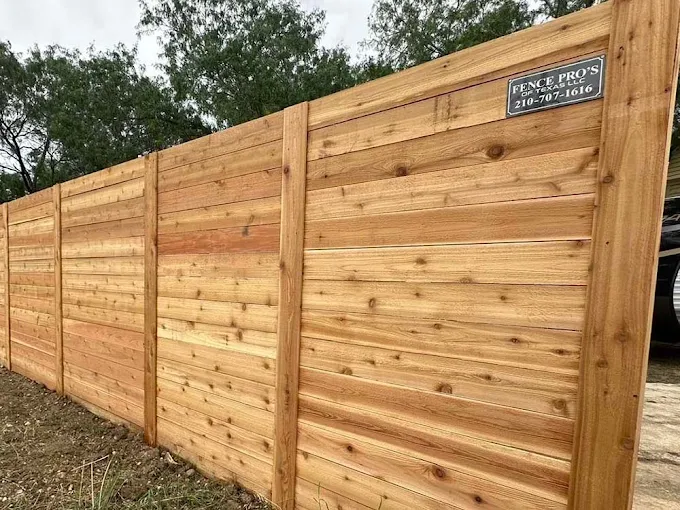
Most homeowners start a fencing project by fixating on one thing: how tall it should be or what material is cheapest. That narrow focus is exactly why so many residential fences in Plano end up looking like afterthoughts instead of intentional design features. A fence is not just a barrier; it’s a long, horizontal piece of architecture that frames your home every single day. When the design is rushed or chosen from a catalog without much thought, you feel it every time you pull into the driveway.
Crafting the perfect residential fencing design means stepping back and seeing your property as a whole composition. The style of your house, the slope of your yard, the way the sun moves across your outdoor spaces, the views you want to protect or reveal, and even the character of your Plano neighborhood all play a role. A truly successful fence looks like it has always belonged there, as if the home was built around it, not the other way around. That’s where a thoughtful, design-first process makes all the difference.
For Fence Pros of Texas, serving Plano and surrounding communities, the ideal fence is a blend of function, aesthetics, and long-term practicality. It should secure pets and kids, respect local regulations, complement your landscaping, and boost your curb appeal and property value. Instead of asking, “What fence can we put here?” a better question is, “What fence will make this property feel complete?” The answer comes from careful planning and a willingness to look beyond the default options.
Start With Purpose And Priorities
Before you even think about color, material, or decorative details, clarity about your fence’s purpose is crucial. Different goals will push your design in very different directions. If your top concern is privacy from nearby neighbors, you’ll be thinking about height, panel style, and opacity. If you’re focused on safely containing pets without blocking a beautiful view, a more open design with strategic height changes might be better. Many Plano homeowners need a mix: security at the back, curb appeal at the front, and safe side yards for kids.
Make a simple list of your priorities: privacy, security, aesthetics, budget, maintenance, and local code compliance. Rank them. It sounds basic, but this ranking becomes a filter for decisions later. For example, if low maintenance is your number one priority, you may quickly rule out certain wood options and lean toward composite or metal. If privacy is non-negotiable, you’ll know not to compromise with overly open designs, even if they look lighter or trendier.
Another part of defining purpose is considering how you actually live in your outdoor spaces. Do you host evening gatherings on the patio? A fence design that integrates lighting and a sense of enclosure can make that space far more inviting. Do you have a pool or plan to install one? Safety codes and visibility become central. Fence Pros of Texas often starts design conversations in Plano by walking the property with the homeowner, asking how they move through the yard, where they like to sit, and which areas feel exposed or neglected. This user-focused approach leads to fences that support daily life, not just line the property.
Finally, think about future changes. If you plan to add a shed, expand a patio, or install a garden in the next few years, your fence layout and style should accommodate that. A well-designed fencing plan anticipates growth and avoids forcing expensive rework later. The “perfect” fence is not only right for today; it has enough flexibility for tomorrow.
Responding To Your Home’s Architecture
A fence should echo the language of the house it surrounds. In Plano, you’ll see everything from traditional brick homes to contemporary builds with clean lines and large windows. When the fence style clashes with the architecture, it creates visual tension that’s hard to ignore. A rustic split-rail look around a sleek modern home, or a heavy wrought-iron design in front of a cozy cottage, can feel jarring and out of place.
Look at the key features of your home: roofline, window style, materials, and color palette. A home with strong horizontal lines often pairs best with fences that emphasize horizontal boards or sleek metal panels. Traditional homes with gables and brick may look more cohesive with classic wood privacy fencing, decorative post caps, or iron accents. Even the pattern of your brick or stone can inspire the rhythm of fence posts and panels.
Color coordination is another subtle but powerful design tool. Matching your fence stain or paint to your home’s trim or shutters can tie everything together. Alternatively, choosing a complementary shade that contrasts just enough can make the fence a sophisticated frame rather than a dominating presence. Fence Pros of Texas frequently helps Plano homeowners test color samples on-site, because natural light and surrounding greenery can dramatically change how a fence color appears.
Don’t overlook architectural details that can be repeated in the fence design. If your front porch has square columns, consider square posts rather than round. If your home uses black metal accents, a fence with black metal hardware or mixed-material sections can create continuity. The goal is not to copy every detail, but to create a visual conversation between house and fence so that they feel like parts of a single, intentional design story.
Balancing Privacy, Openness, And Views
One of the trickiest aspects of fence design is finding the right balance between privacy and openness. Plano neighborhoods often have homes fairly close together, which makes privacy a real concern. But completely solid fences can sometimes feel imposing, block breezes, and make smaller yards feel boxed in. Instead of defaulting to a single style around the entire property, consider a zoned approach that changes with your needs.
In backyards where you want seclusion, taller, more solid fencing makes sense. However, you can soften the look with details like decorative top sections, alternating board patterns, or integrated planters. Side yards that are mostly used as access paths might do well with semi-private designs that allow light through while still screening most views. At the front of the property, many Plano homeowners choose lower, more open designs that keep the welcoming feel of the neighborhood while clearly defining boundaries.
Views are crucial. Stand in the places you most often occupy: your kitchen sink, back patio, home office window. What do you see now, and what do you want to see after the fence is built? A thoughtful design might raise fence height in one segment to block a neighboring second-story window while keeping another segment lower to preserve a view of trees or a sunset. Fence Pros of Texas often adjusts fence height and transparency in strategic sections, creating a custom contour rather than a monotonous, one-height perimeter.
Remember that “openness” can also be created using materials and spacing. Horizontal slats with small gaps, decorative metal panels, or even sections of tempered glass (similar to those used in Glass Fences) can maintain sightlines while still feeling secure. The perfect fencing design doesn’t treat privacy as an all-or-nothing issue; it treats it as a gradient, tuned to each part of your property.
Choosing Materials For Texas Conditions
Plano’s climate puts every fence material to the test: intense summer sun, occasional storms, and seasonal temperature swings. A fence that looks great on day one but warps, fades, or rusts quickly is not a successful design. Material selection isn’t just about aesthetics; it’s also about how your fence will age in your specific environment and how much upkeep you’re willing to handle.
Wood remains a popular choice because of its warmth and versatility. Cedar, in particular, performs well in North Texas when properly installed and maintained. It can be stained in a wide range of tones to match your home, and it’s easy to customize with decorative patterns. However, wood requires regular sealing or staining to protect against UV damage and moisture. If you love the natural look but hate maintenance, you’ll want to factor in the time or cost of upkeep when deciding if wood is right for your “perfect” fence.
Metal options, such as ornamental iron or steel, offer durability and a more open, elegant look. These are especially popular for front yards or around pools where visibility and airflow are important. Powder-coated finishes can resist rust and fading, making them well-suited to Plano’s weather. Composite and vinyl materials are another low-maintenance choice; they won’t rot, and they hold color well, but they have a distinct look that may or may not complement your home’s style. Fence Pros of Texas helps homeowners weigh these trade-offs, often combining materials—like wood and metal—to get the best of both worlds.
Don’t forget the hardware and structural components. Posts, fasteners, and brackets are often where cheaper installations fail first. Galvanized or powder-coated hardware, properly set posts, and correct drainage planning all affect how straight and sturdy your fence remains over time. A perfect design is not just about what you see; it’s also about what’s happening below ground and inside the structure that keeps your fence standing strong for years.
Layout, Flow, And Everyday Function
The shape and path of your fence can either enhance how you use your property or create daily annoyances. When planning layout, think beyond the property lines on paper. Consider where you park, where delivery drivers walk, how trash bins move to the curb, and how kids and pets circulate. A beautifully built fence with a poorly placed gate will irritate you every single week.
Gate placement is an especially important design decision. You’ll likely need at least one primary access gate for vehicles and one or more pedestrian gates. Place gates where they align naturally with walkways, driveways, and doors. If you grill on the patio, make sure there’s a convenient gate path from the driveway or side yard. If you garden, consider a wider gate for moving equipment or soil. Fence Pros of Texas often suggests adding at least one “service” gate that may not be visible from the street but makes yard work and maintenance easier.
Another layout consideration is how your fence interacts with existing landscaping and topography. Plano yards can have subtle slopes that complicate fence installation. You’ll need to decide whether to “step” the fence (creating level sections that follow the slope in increments) or “rack” it (angling the panels to follow the grade). Both approaches have visual and practical implications. Stepped fences create a more geometric look, while racked fences follow the land more smoothly. Good design acknowledges these choices instead of leaving them to chance on installation day.
Lastly, think about how the fence creates outdoor “rooms.” A long, uninterrupted run of fence can be visually monotonous, but breaking the yard into zones with subtle shifts in height, material, or decorative elements can make the space feel more intentional. For example, a slightly different fence style around a patio area can set it apart as a cozy retreat, while a more durable, straightforward design along the back property line quietly does the job of security and containment.
Local Rules, Neighbors, And Curb Appeal
Even the best fence design can run into problems if it ignores city regulations, HOA guidelines, or neighbor relationships. Plano has specific rules about fence height, placement, and sometimes material, especially on corner lots or near easements. Before falling in love with a particular design, it’s wise to confirm what’s allowed. Fence Pros of Texas is familiar with local requirements and can help navigate those constraints so your design is both beautiful and compliant.
Neighborhood context also matters. While your fence should reflect your personal taste, going too far outside the visual norm of your street can affect resale value and community harmony. Look at the general patterns: Are front fences common or rare? Do most homes use wood, metal, or a mix? You don’t have to copy your neighbors, but you should be aware of the visual rhythm your fence will join. A well-designed fence can actually elevate the entire block when it respects the existing character while adding a fresh, thoughtful touch.
On the curb appeal side, the front-facing sections of your fence deserve special attention. Details like post caps, trim boards, gentle height transitions, and integrated landscaping can transform a basic barrier into an architectural feature. Consider how the fence aligns with your front walk, mailbox, and entryway. A cohesive, intentional front fence design signals that the property is cared for and well-planned, which is a quiet but powerful boost to perceived value.
Finally, think about your neighbors. If you share fence lines, discussing plans ahead of time can prevent conflicts and, in some cases, lead to shared costs. Being open about your goals and listening to their concerns can help you arrive at a design that works for everyone. A perfect fence doesn’t just look good from your side; it also avoids becoming an eyesore or point of contention next door.
Frequently Asked Questions
How tall should my residential fence be in Plano, TX? Fence height depends on both your goals and local regulations. In many Plano neighborhoods, backyard fences commonly range from 6 to 8 feet for privacy, while front yard fences are often lower, around 3 to 4 feet, to maintain visibility and curb appeal. City codes and HOA rules may limit maximum height or specify different heights for corner lots. A good design approach is to start with the legal maximums, then adjust by zone—taller where you need privacy or security, lower where you want openness or visibility. Fence Pros of Texas can help you interpret local rules and design a height strategy that feels balanced and compliant.
What is the best fencing material for low maintenance in North Texas? For Plano’s climate, metal and composite options are typically the lowest maintenance. Powder-coated steel or ornamental iron resists rust and fading when properly installed, and it only needs occasional cleaning. Composite materials and quality vinyl also perform well, as they don’t rot or require frequent staining. However, they have a distinct aesthetic that may not suit every home. If you prefer the look of wood but want to reduce maintenance, using cedar with a high-quality stain and scheduling regular resealing can give you a good compromise between appearance and upkeep. Discussing your tolerance for maintenance with Fence Pros of Texas will help narrow down the best material for your lifestyle.
Can I mix different fence styles on the same property? Yes, and in many cases, mixing styles is the key to a truly tailored design. You might use a solid wood privacy fence along the back and sides, then transition to a more open metal or decorative design at the front for better curb appeal. Another common approach is combining wood with metal posts or accents to increase durability and add visual interest. The important part is planning transitions carefully so they feel intentional rather than random. Consistent colors, repeating design elements, or gradual height changes can help unify different styles into a cohesive whole.
How do I make sure my fence design works with my landscaping? Start by looking at existing trees, beds, and hardscapes, and decide which features you want to highlight or protect. Designing the fence to frame a mature tree, for example, can create a beautiful focal point, while allowing enough space for roots and growth. Plan for planting pockets along long fence runs to soften the visual mass with shrubs, vines, or ornamental grasses. Also consider sun patterns: a solid fence on the south side may cast shade that affects what plants will thrive there. Fence Pros of Texas often coordinates fence layout with landscapers’ plans in Plano to ensure both elements support each other rather than compete.
What should I discuss with a fencing contractor before starting? Before any posts go in the ground, you should cover purpose, budget, materials, maintenance expectations, timeline, and local code compliance. Walk the property together and point out problem areas, desired views, and daily use patterns. Ask how the contractor plans to handle slopes, drainage, and potential underground utilities. Request details on post depth, hardware quality, and finish options, as these affect long-term performance. A contractor like Fence Pros of Texas that takes time to understand your lifestyle, your home’s architecture, and Plano’s regulations is far more likely to deliver a fence design that feels truly “perfect” for your property.