
Commercial Fencing: A Guide for Businesses
A growing number of Plano businesses are rethinking their perimeter security and curb appeal. With North Texas commercial property crime rates consistently higher than the national average, and property values climbing along major corridors like US-75 and the Dallas North Tollway, how you protect and present your property matters more than ever.
For business owners, property managers, and developers across Plano and the surrounding DFW suburbs, the right commercial fence isn’t just a line in the budget. It’s a long-term investment in security, liability protection, brand image, and even employee safety.
This guide walks you through how to choose, design, and maintain commercial fencing that fits your operation, your risk profile, and your budget. You’ll see practical examples from local businesses, learn the pros and cons of different materials, and understand where it pays to upgrade from basic perimeter fencing to integrated gates and access control.
Key Insight: The best commercial fence is not simply “the strongest” or “the cheapest”—it’s the one that’s purpose-built for your specific risks, regulations, and daily operations.
Understanding What Your Business Really Needs from Its Fence
Before thinking about styles or materials, you need clarity on what you’re asking your fence to do. A medical office off Preston Road has very different needs than a warehouse near the rail lines, or a restaurant in historic downtown Plano.
Most commercial properties are balancing some combination of:
- Security and loss prevention
- Privacy for staff, clients, or tenants
- Safety and liability control
- Aesthetics and brand image
- Compliance with city codes and industry regulations
A logistics company near Plano Parkway recently came to us after a series of catalytic converter thefts. Their existing low Chain Link Fences were easy to climb, and the open design gave thieves a clear view of high-value targets. Their real need wasn’t “a better fence” in general—it was targeted security fence installation with strategic sightline control and controlled access.
Contrast that with a daycare center in West Plano that needed a combination of safety and aesthetics. Their priority was a code-compliant play area with secure gates and no climbable surfaces, but they also wanted a friendly, welcoming look for parents. In that case, a decorative Wrought Iron Fences design with child-safe Residential Fence Installation standards made more sense than a heavy industrial look.
“The biggest mistake commercial property owners make is buying a fence before defining the problem it’s supposed to solve.” — Senior Project Manager, Fence Pros of Texas
Once you’re clear on purpose, it becomes much easier to compare materials, layouts, and gate options in a way that supports your business instead of fighting it.
Choosing the Right Material: From Practical to Premium
Material choice is where most owners start—and where many get overwhelmed. The Plano climate adds another wrinkle: intense sun, temperature swings, and occasional severe storms can all shorten the life of a poorly chosen fence.
Here’s how the most common commercial materials stack up in real-world business use:
- Chain Link Fences: Budget-friendly, durable, ideal for industrial yards, utilities, and back-of-house areas.
- Aluminum Fences: Rust-resistant, lighter than steel, great for modern office parks, pools, and retail.
- Wrought Iron Fences: Strong, upscale, often used for executive offices, churches, and high-end retail.
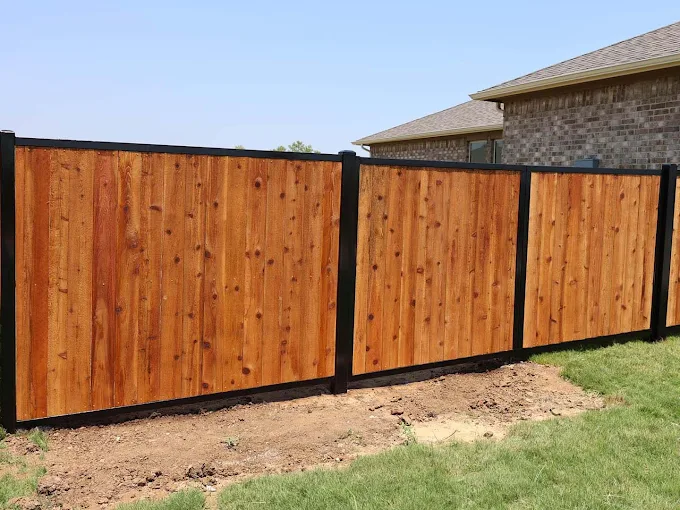
- Wood Fences: Natural look and excellent for Privacy Fence Installation around courtyards or patios.
- Vinyl Fences: Low maintenance, clean appearance, popular for medical offices and multi-family properties.
- Corrugated metal and Mixed Material Fences: Trendy, modern, and great for branding in creative or tech spaces.
- Glass and Glass Fences: Premium, often used in hospitality, rooftop spaces, and Class A office buildings.
A tech firm near Legacy West, for example, wanted a secure perimeter that didn’t feel like a warehouse. We recommended a combination of Metal Fence Installation with horizontal corrugated panels and powder-coated steel posts, paired with architectural accents. The result: a fence that blends with their modern building and still deters intruders.
Meanwhile, a small manufacturing shop in East Plano opted for upgraded Chain Link Fence Installation with privacy slats and barbed wire. It wasn’t glamorous, but it was cost-effective and aligned with their security-first needs.
Material Selection Callout:
- If you’re near busy roads or residential areas, consider noise and visual impact.
- If your property is customer-facing, invest in materials that support your brand image.
- If your operations are rough on equipment (forklifts, trucks), durability beats appearance.
Working with a contractor who installs both Commercial Fence Installation and Residential Fence Installation can also help if you manage mixed-use properties or need consistent styling across multiple sites.
Balancing Security, Privacy, and Curb Appeal
Security and privacy don’t have to mean sacrificing aesthetics. In fact, for many Plano businesses, the fence is part of the first impression—especially in retail, hospitality, and office environments.
Security Considerations
For high-risk sites—auto dealerships, equipment yards, data centers—your fence is part of a broader security system. You may need:
- Taller fence heights (subject to Plano zoning rules)
- Anti-climb designs (no horizontal rails on the outside, tighter picket spacing)
- Integrated Security Fence Installation with cameras and lighting
- Reinforced Commercial Gates at vehicle entries
One Plano auto service center had repeated after-hours break-ins despite having a basic 6-foot chain link perimeter. We upgraded them to an 8-foot commercial-grade chain link with bottom rail, privacy slats, and a controlled-access sliding gate. We also designed the layout to eliminate “blind spots” behind the building. Incidents dropped to zero in the following year.
Privacy and Noise
Restaurants, clinics, and multi-tenant offices often need visual privacy or noise buffering. That’s where Wood Fences, Vinyl Fences, or mixed-material screens shine.
A Plano restaurant near a busy intersection used a tall stained wood screen—protected with professional Fence Maintenance and Fence Replacement planning—to create a quiet, private patio. The fence not only blocked traffic noise but also became part of their brand look, especially at night with accent lighting.
“Security, privacy, and aesthetics work best when they’re planned together, not bolted on one at a time.” — Design Consultant, Fence Pros of Texas
By thinking holistically, you can have strong security, appropriate privacy, and a professional appearance that fits Plano’s modern, competitive business landscape.
Traditional vs. Modern Commercial Fencing Approaches
Commercial fencing design has changed significantly in the last decade. Many Plano properties still rely on “traditional” approaches that focus only on basic perimeter lines, while newer developments treat fencing as part of a larger site strategy.
Here’s a quick comparison:
| Approach | Traditional Perimeter Fence | Modern Integrated Solution |
|---|---|---|
| Primary Goal | Basic boundary and deterrence | Security, branding, user experience, and compliance combined |
| Typical Materials | Chain link, basic wood | Mixed materials, aluminum, steel, glass, decorative metal |
| Gate Strategy | Manual swing/sliding gates | Automated Access Control and smart Commercial Gates |
| Aesthetic Consideration | Minimal | Coordinated with architecture and landscaping |
| Maintenance Planning | Reactive Fence Repair only | Planned Fence Maintenance and lifecycle budgeting |
| Security Integration | Fence only | Cameras, lighting, and access control tied into the design |
| Typical Use | Older industrial, back-of-house areas | Class A office, retail, healthcare, mixed-use developments |
A newer office development along the Dallas North Tollway illustrates the modern approach. Instead of a single perimeter fence, they used:
- Decorative Decorative Fence Installation at the front entry
- Functional but attractive parking lot fencing
- Secure service yard fencing behind the building
- Integrated Railings and guardrails that match the overall look
They also planned for ongoing Fence Maintenance from day one, including periodic inspections and refinishing schedules for metal and wood components.
By contrast, an older industrial park in East Plano is gradually upgrading from plain chain link to more integrated solutions, phasing projects over several years to manage budget.
Gates, Access Control, and How People Actually Use Your Property
A strong fence is only as secure as its gates—and in commercial settings, gates are often the weakest point. They’re also where daily operations live: deliveries, staff arrivals, customer entries, and emergency access.
Getting Gate Design Right
For many Plano businesses, automated Commercial Gates and integrated Access Control systems have gone from “nice-to-have” to standard. Common options include:
- Sliding gates for tight spaces or heavy traffic
- Swing gates for simpler layouts
- Cantilever gates for uneven terrain or frequent use
- Pedestrian gates with keypads or card readers
- Coordinated Residential Gates and Estate Gates for multi-use properties
A distribution center near George Bush Turnpike struggled with bottlenecks every morning as trucks queued at a manual gate. After upgrading to an automated sliding gate with RFID access and a separate pedestrian entrance, they cut wait times and improved security—no more propped-open gates during busy periods.
Safety and Code Compliance
Local codes and fire access requirements in Plano dictate how gates must function in emergencies. That includes:
- Fire department access provisions
- Fail-safe or fail-secure hardware
- Clear opening widths for certain occupancies
“A gate that slows your operations or creates safety issues is just as much of a liability as a fence that doesn’t keep people out.” — Commercial Project Supervisor, Fence Pros of Texas
Thoughtful gate design, combined with the right fencing, turns your perimeter from a weak point into a well-managed, efficient part of your property.
Cost, Durability, and Long-Term Maintenance in Plano’s Climate
Budget is always a factor, but focusing only on the initial quote can lead to higher costs over the life of your fence. North Texas sun, storms, and soil movement all take a toll on materials and foundations.
Short-Term vs. Long-Term Thinking
A basic chain link fence may be cheaper up front than a powder-coated Aluminum Fence Installation, but if you’re constantly dealing with rust, bent sections, or Fence Repair after storms, those savings disappear.
Similarly, untreated Wood Fence Installation can look great on day one but deteriorate quickly without proper Fence Maintenance and Staining. Many Plano businesses now plan for periodic staining and sealing as part of their operating budget, especially around patios and customer-facing areas.
Here’s a simplified comparison for a typical commercial run (costs are illustrative and can vary):
| Material Type | Approx. Initial Cost (per linear ft) | Expected Lifespan (with care) | Maintenance Level |
|---|---|---|---|
| Basic Chain Link | Low | 15–25 years | Low to moderate |
| Upgraded Chain Link + Slats | Low–moderate | 15–25 years | Moderate |
| Wood Privacy | Moderate | 10–15 years | Moderate to high |
| Vinyl | Moderate–high | 20+ years | Low |
| Aluminum / Ornamental Steel | High | 20–30+ years | Low to moderate |
| Corrugated / Mixed Metal | High | 20–30+ years | Moderate (finish care) |
A Plano medical office complex chose vinyl over wood for screening their mechanical yard. The vinyl cost more initially but required far less maintenance, which mattered for a property manager juggling multiple sites.
“The most cost-effective fence is the one that does its job for decades with predictable, manageable upkeep.” — Operations Manager, Fence Pros of Texas
Planning for eventual Fence Replacement and scheduling inspections—especially after major storms—will also keep your fence functional and compliant longer.
Integrating Fencing with the Rest of Your Property
Your fence doesn’t exist in a vacuum. It intersects with landscaping, parking, pedestrian routes, and even branding. Thoughtful integration can turn a necessary security feature into a visual and functional asset.
Coordinating with Landscaping and Site Design
Plano’s commercial corridors feature a mix of mature trees, modern hardscapes, and city-required plantings. Your fence should work with these elements, not against them.
Examples of good integration:
- Using decorative Wrought Iron Fence Installation or Aluminum Fence Installation along frontages so landscaping remains visible.
- Pairing wood or metal privacy screens with intentional plantings to soften the look.
- Matching Railings on stairs and balconies to the fence style for a cohesive appearance.
A mixed-use development near downtown Plano worked with us to create a continuous design language: ornamental metal fencing along the street, matching balcony railings, and coordinated pedestrian gates. The result feels intentional and upscale, rather than pieced together over time.
Multi-Use and Agricultural Properties
On the outskirts of Plano and into nearby rural areas, some properties combine commercial operations with agricultural or equestrian uses. In those cases, Farm Fencing standards, safety, and containment requirements come into play alongside commercial codes.
A local landscaping supply yard, for example, needed secure perimeter fencing for their commercial area and safe, functional fencing for their plant nursery section. We used heavier-duty chain link for the yard and more open, customer-friendly fencing for the nursery, all tied together visually with consistent colors and finishes.
“A well-designed fence supports how people move, park, and experience your property every day.” — Lead Designer, Fence Pros of Texas
What This Means for Businesses in Plano, TX
Plano is a competitive, fast-growing business environment with a mix of legacy industrial areas, revitalized downtown spaces, and high-end corporate campuses. That diversity means there’s no one-size-fits-all commercial fence—but it also means you have more options than ever to tailor a solution to your specific site.
For businesses along major corridors like Preston, Coit, or Spring Creek, curb appeal and brand perception matter just as much as security. A thoughtfully chosen fence can elevate your property, attract better tenants, and reassure clients and employees that you take safety seriously.
In older industrial pockets and distribution hubs, upgrading from aging, patched-together fencing to a cohesive, secure perimeter can reduce theft, lower insurance risks, and simplify access control. For multi-tenant and mixed-use developments, a coordinated approach to fencing, Residential Fencing elements, gates, and railings helps maintain a consistent, high-quality look that protects property values.
Local codes, HOA requirements, and Plano’s development standards also shape what’s possible. Working with a contractor who understands those nuances—and who has installed everything from simple Garden Fence Installation projects to complex commercial perimeters—can save you time, money, and headaches.
Ultimately, the right commercial fence in Plano isn’t just about putting a barrier around your property. It’s about designing a secure, welcoming, and durable edge that supports how your business operates today and how it will grow tomorrow.
Frequently Asked Questions
Q: How tall can my commercial fence be in Plano, and does the city limit materials?
A: Fence height and material rules in Plano depend on zoning, location on the property, and use type. For example, front yard and street-facing fences often have stricter height limits and material guidelines than rear or side yards. Industrial and commercial zones may allow taller Security Fence Installation with materials like Chain Link Fences or metal, while customer-facing areas might require more decorative options. It’s common to see 6–8 foot fences in side and rear yards, with 4–6 foot limits closer to streets. A local contractor familiar with Plano’s codes can review your site plan, confirm what’s allowed, and design a fence that passes permitting the first time.
Q: What’s the most secure fence type for a commercial property in this area?
A: Security isn’t just about one material—it’s about design, height, and how the system is used. That said, taller Metal Fence Installation (steel or aluminum) with anti-climb features is often the strongest option for Plano businesses with high-value assets. Upgraded Chain Link Fence Installation with smaller mesh, bottom rails, and optional barbed wire can also be very effective for industrial yards. For many properties, the best approach is combining a secure fence with well-designed Commercial Gates, lighting, and cameras. A professional assessment can help you decide whether to prioritize deterrence, delay, or detection—or a mix of all three.
Q: How do I balance privacy with visibility for my business?
A: Many Plano businesses need privacy in some areas and visibility in others. For example, a restaurant may want a tall Privacy Fence Installation around its patio but a more open design at the front entry. A medical office might screen parking or equipment areas while keeping main entries visible and welcoming. Solutions include combining Wood Fences or Vinyl Fences in private zones with ornamental metal or Aluminum Fences in public-facing areas, or using Mixed Material Fences that provide privacy at eye level while remaining open above. A site walk-through with a designer helps identify where privacy adds value and where openness is better for safety and branding.
Q: How much maintenance should I plan for with a commercial fence in Plano’s climate?
A: North Texas weather is tough on exterior materials, so a maintenance plan is essential. Wood fences typically need periodic Staining or sealing every 2–4 years to resist sun and moisture damage. Metal fences may need occasional touch-up painting or rust treatment, especially near irrigation. Vinyl and aluminum require less day-to-day care but still benefit from annual inspections and cleaning. Budgeting for routine Fence Maintenance—plus occasional Fence Repair after storms—will extend the life of your investment. A good contractor can recommend a maintenance schedule tailored to your materials and exposure.
Q: Can I integrate access control and automatic gates into an existing fence?
A: In many cases, yes. If your existing fence line is structurally sound, you can often add or upgrade to automated Access Control and Commercial Gates without replacing the entire perimeter. This is common for Plano businesses that start with manual gates and later need to streamline truck traffic or tighten after-hours security. However, the posts, foundations, and alignment at gate openings must be able to handle the weight and motion of an automated system. A site evaluation will determine whether reinforcement or partial Fence Replacement is needed to support long-term, trouble-free operation.
Q: Is there a difference between residential-grade and commercial-grade fencing materials?
A: Absolutely. Commercial-grade materials are generally heavier, stronger, and designed for higher traffic and tougher conditions. For example, commercial Aluminum Fence Installation uses thicker walls and larger posts than many residential products. Commercial chain link often has heavier gauge wire and stronger framework. Even Wood Fence Installation can differ, with larger posts and more robust hardware for business applications. If you manage mixed-use or multi-family properties in Plano, you may need a combination of Residential Fence Installation for tenant areas and commercial-grade systems for parking lots, pools, or service yards.
Q: How long does a typical commercial fence project take from design to completion?
A: Timelines vary based on scope, permitting, and material availability, but most Plano commercial projects follow a similar pattern. After an initial site visit and design consultation, you’ll receive a proposal within a few days. Once approved, permitting (when required) can take anywhere from a week to several weeks depending on the city’s workload and complexity of the project. Installation itself for an average property often takes a few days to a couple of weeks. Larger or phased projects may extend longer. Planning ahead—especially if you’re coordinating with other site work—helps keep everything on schedule.
Ready to Get Started?
If you’re looking around your property in Plano and seeing an aging, patched-together fence—or no real perimeter at all—this is the right time to act. Rising property values, increased demand for secure facilities, and evolving city standards mean that a well-designed commercial fence is no longer optional for many businesses.
Upgrading your fencing and gates can:
- Reduce theft, vandalism, and unauthorized access
- Improve safety for employees, tenants, and visitors
- Elevate your property’s appearance and perceived value
- Simplify day-to-day operations with smarter access control
Spring and fall are often the best seasons for installation in North Texas, and contractor schedules can fill quickly as businesses plan upgrades around their own busy periods. Starting the conversation now gives you more options for design, materials, and timing.
Schedule a site visit, walk the property with a professional, and talk through your priorities—security, privacy, aesthetics, and budget. From there, you’ll get a clear, tailored plan for your commercial fencing, gates, and related features.
About Fence Pros of Texas
Fence Pros of Texas is a locally focused fencing contractor serving Plano and the greater North Texas area. Our team brings years of experience in Commercial Fence Installation, Residential Fencing, Farm Fencing, gates, railings, and custom fence design. We’re familiar with Plano’s codes, business climate, and property types—from industrial yards to Class A offices and retail centers. Whether you need a straightforward Fence Repair or a fully integrated perimeter and access control solution, we combine practical expertise with a commitment to quality, safety, and long-term value for your property.