
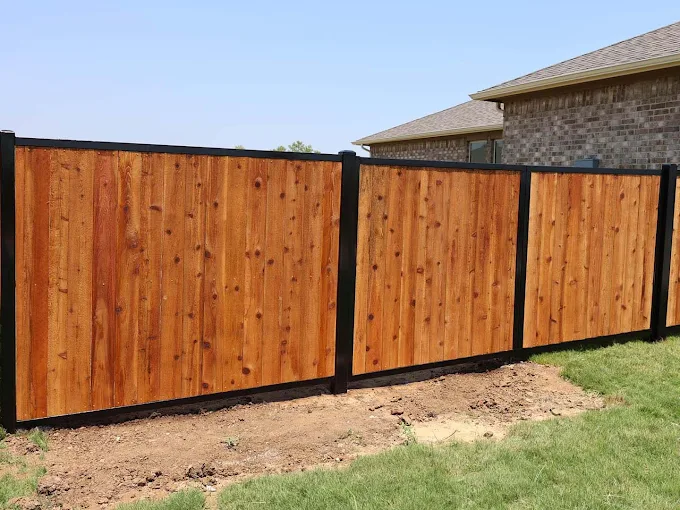
Walk outside and look at your fence for a moment. That long line of wood, metal, or vinyl isn’t just a boundary; it’s a working part of your property that faces sun, rain, wind, pets, sprinklers, and kids every single day. In Plano, TX, where blazing summers give way to cold snaps and stormy springs, your fence is quietly taking the brunt of changing weather. Caring for your residential fence year-round matters right now because neglect adds up fast: a loose post here, some peeling stain there, and before you know it, sections are sagging, boards are rotting, and replacement becomes far more expensive than simple maintenance would have been.
Year-round fence care is really about protecting an investment you already made. A well-maintained fence boosts curb appeal, supports property value, and gives you privacy and security. On the other hand, a fence that’s leaning, faded, or broken can make even a well-kept home look tired. Homeowners in Plano often underestimate how quickly Texas sun can dry out wood or how soil movement can shift posts. With a thoughtful seasonal plan and some guidance from professionals like Fence Pros of Texas, you can keep your fence strong, straight, and attractive for many more years than you might expect.
Instead of thinking of fence care as one big chore, it helps to break it into small, regular habits that follow the seasons. That way, you’re not scrambling when a storm hits or when you’re trying to get your backyard ready for guests. A few hours of attention in spring, quick checks in summer, protective work in fall, and preventive steps in winter can dramatically extend the life of your fence—no matter what it’s made of.
Understanding Local Conditions
To care for your fence year-round in Plano, you first have to understand what it’s up against. North Texas weather is tough on building materials. Intense UV rays in summer dry out wood and fade finishes. Sudden thunderstorms bring heavy rain and wind that can batter panels and saturate the soil around posts. Occasional freezes and thaw cycles can cause subtle ground movement, which puts stress on the base of your fence. Over time, these forces can warp boards, loosen hardware, and create gaps you never had before.
Soil conditions also play a big role. Much of the Plano area has expansive clay soil that swells when it’s wet and shrinks when it’s dry. That movement may not be obvious day-to-day, but your fence posts feel every bit of it. A post that was perfectly plumb when Fence Pros of Texas installed it can start to lean if the soil is constantly shifting and not draining properly. That’s one reason drainage management and grading around your fence line are part of smart, year-round care, not just an afterthought.
Local vegetation is another factor. Trees growing near the fence line can drop leaves that trap moisture at the bottom of your fence. Roots may push against posts. Vines that seem charming at first can creep into joints, hold moisture against boards, and eventually pry materials apart. Even your irrigation system can be a hidden threat if sprinkler heads are constantly soaking a particular section of wood fence. Understanding these local realities helps you spot risks early and tailor your maintenance routine to Plano’s specific climate and soil.
Spring: Inspection And Revival
Spring is the season to wake your fence up from winter and get it ready for heavy use. Start with a slow, deliberate inspection. Walk the entire fence line and look for loose or missing fasteners, warped or cracked boards, peeling paint or stain, and any signs of rot at the base of posts. Gently push on sections to see if they sway. For metal fences, check for rust spots and loose brackets. For vinyl, look for cracks, discoloration, or panels that have popped out of their rails.
Once you know where things stand, cleaning comes next. Winter can leave behind grime, mildew, and dirt. For wood, a gentle wash with a fence cleaner and a soft-bristle brush is usually enough. Avoid excessively high pressure washing unless you know how to control it, because too much pressure can strip away the surface fibers of the wood and shorten its life. Vinyl fencing generally cleans up well with mild soap and water. Metal fences benefit from a rinse to remove residue that could encourage rust. This is also a good time to clear away leaves, mulch, and debris that may have piled up at the bottom of the fence.
After cleaning and drying, address finishes and repairs. Replace any damaged boards or pickets before you stain or paint. Tighten loose screws and nails, or replace them with exterior-grade fasteners if they’re rusting. For wood fences, spring is an ideal time to apply a fresh coat of stain or sealant, especially in Plano where UV exposure is intense. A quality stain with UV protection helps prevent graying and cracking. If this feels overwhelming, you can have Fence Pros of Texas evaluate what needs to be repaired or refinished and handle the work so your fence is ready for the hot months ahead.
Summer: Protection From Heat And Sun
By the time summer settles over Plano, your fence is dealing with long days of direct sunlight and high temperatures. Wood fences are especially vulnerable during this season. Without proper sealing, the wood can dry out, shrink, and develop hairline cracks. Over time, those cracks widen, inviting moisture penetration when storms roll through. That’s why any staining or sealing you didn’t get to in spring should be a priority early in the summer. A well-sealed fence resists both sun and sudden downpours.
Summer is also when landscaping is in full swing, which can either help or hurt your fence. Keep grass, shrubs, and vines trimmed away from the fence line. Vegetation that’s pressed up against boards or posts holds moisture and limits airflow, which encourages rot and mold. When mowing and edging, be careful not to hit the fence with equipment, as repeated impacts can loosen boards and chip finishes. If you have climbing plants, consider using dedicated trellises positioned slightly away from the fence rather than allowing the plants to attach directly to it.
Irrigation is another summer concern. Sprinkler heads that spray directly onto wood or metal fencing, day after day, will accelerate deterioration. Adjust the angle of your sprinklers so they water the lawn, not the fence. If you notice areas where the ground is constantly damp near posts, consider improving drainage. Fence Pros of Texas can help identify problem areas and suggest solutions, from minor grading adjustments to post reinforcement, so your fence isn’t sitting in a moisture trap all season long.
Fall: Preparing For Storms And Cooldowns
Fall in Plano often brings strong storms and shifting temperatures, making it a key time to reinforce your fence. Begin with another thorough walk-around inspection, this time focusing on structural stability. Check that posts are still solid in the ground and that there are no sections that feel wobbly. Look for gaps where hardware may have loosened during summer expansion and contraction. Tightening or replacing hardware now can prevent more serious movement when strong winds hit.
Clearing around the base of your fence is especially important in fall. Leaves and yard debris tend to collect and stay damp, which can lead to rot in wood posts and bottom rails. Rake away accumulations and keep mulch a few inches away from direct contact with wooden components. If you see early signs of decay at the bottom of posts, don’t ignore them. Addressing these issues with reinforcement or partial replacement now is far less disruptive than dealing with a collapsed section during a storm.
Fall is also a good time to touch up protective coatings. If you notice faded spots on stained wood, localized peeling paint on metal, or scratched vinyl, deal with them before winter. For metal fences, sand any rust spots lightly and apply a rust-inhibiting primer and exterior paint. Vinyl fences may only need a good cleaning, but check for brittle areas that could worsen with cold. Scheduling a professional assessment with Fence Pros of Texas in the fall can give you a clear picture of what needs attention before the weather becomes less predictable.
Winter: Prevention And Monitoring
While Plano doesn’t experience the harshest winters in Texas, the season still poses challenges for residential fences. Occasional freezes can cause the ground to expand and contract, subtly shifting posts. Cold, damp conditions also slow drying times, so any moisture that does get into cracks or unprotected wood sticks around longer. The key to winter fence care is prevention and gentle monitoring rather than major projects during the coldest days.
Before the coldest weather arrives, make sure any necessary repairs are complete and that your fence’s protective finishes are intact. Once winter is underway, avoid heavy pressure washing or aggressive scraping that could damage materials in their more brittle state. Instead, focus on keeping the area around the fence clear. After storms, remove fallen branches or heavy debris leaning against the fence. Knock off any large accumulations of wet leaves or ice from rails and posts where it’s safe to do so.
Walk your fence line periodically during winter, especially after strong winds or heavy rain. Look for new leaning, heaving at the base of posts, or boards that have split due to temperature changes. If you see sudden shifts, it may be a sign that the soil underneath is moving more than usual. In those cases, contacting Fence Pros of Texas quickly can prevent a small problem from turning into a full replacement, as they can advise whether reinforcement, drainage improvements, or selective post reset is the right solution.
Material-Specific Care Tips
Different fence materials require different care strategies, even under the same Plano weather. Wood fences are popular for their warmth and privacy, but they demand the most consistent maintenance. Plan on cleaning at least once a year, inspecting for rot, and re-staining or sealing every few years depending on exposure. Pay particular attention to the tops and bottoms of boards, as these areas often absorb the most water. Any board that shows soft spots or deep cracks should be replaced rather than patched.
Metal fences, such as ornamental iron or steel, are durable but not maintenance-free. Rust is the main enemy. Inspect welds, joints, and any area where paint has chipped away. Addressing rust early with wire brushing and touch-up paint can keep it from spreading. Also check the connections between metal posts and their footings. If the base of a post is constantly exposed to water because of poor drainage, corrosion can set in there as well. Sometimes the solution is as simple as redirecting runoff away from the fence line.
Vinyl fencing is known for its low maintenance, but it still benefits from regular care. Cleaning with mild soap and water prevents staining and keeps the surface looking bright. Avoid harsh chemicals that could dull or weaken the material. Vinyl can become more brittle in extreme cold and more flexible in intense heat, so be cautious about impacts, such as leaning heavy items against it or kicking balls at it repeatedly. If a section becomes damaged, panels are often replaceable individually, and professionals familiar with Vinyl Fences can match components and restore the fence without a full replacement.
When To Call The Professionals
There’s a lot homeowners can do themselves to maintain a fence, but some situations call for professional help. If you notice multiple leaning posts, long stretches of sagging fence, or widespread rot, it’s time to bring in a company like Fence Pros of Texas. They can determine whether targeted repairs will safely extend the life of your fence or whether replacement is the smarter long-term investment. Attempting major structural fixes without the right tools or experience can make problems worse and compromise safety.
Professional inspections are also valuable when you’re unsure what you’re seeing. For example, hairline cracks in wood may be purely cosmetic, or they might be early signs of deeper issues. Soil movement might be subtle but progressive. A trained eye can distinguish between normal aging and conditions that threaten the fence’s integrity. In Plano, where shifting soils and strong storms are common, having a pro evaluate your fence every few years can catch hidden problems before they become urgent.
Finally, if you’re planning changes to your yard—such as adding a pool, regrading for drainage, or planting large trees—consulting Fence Pros of Texas in advance can help you protect your existing fence or design a new one that’s built to handle those conditions. Integrating fence care with your broader landscape and property plans ensures that everything works together rather than against each other, saving you money and frustration over time.
Frequently Asked Questions
How often should I stain or seal my wood fence in Plano? In Plano’s climate, most wood fences should be stained or sealed every 2–3 years, though fences with full sun exposure may need attention a bit sooner. You’ll know it’s time when water no longer beads on the surface but soaks in quickly, or when the color has noticeably faded. Regular cleaning and inspections can help you decide whether you can wait another season or should recoat sooner.
What are the first signs my fence is starting to fail? Early warning signs include leaning or wobbly posts, boards that stay damp longer than others, soft spots in the wood, recurring rust patches on metal, and gates that suddenly stop latching properly. You might also see gaps forming between boards or panels, or notice that sections of the fence move more than they used to when pushed. Addressing these issues promptly usually means simpler, less expensive repairs.
Can I pressure wash my fence safely? You can, but with caution. Using too much pressure or holding the nozzle too close can gouge wood, strip protective coatings, or force water deep into joints where it lingers. If you use a pressure washer, choose a low to moderate setting and keep the nozzle moving. For many homeowners, a garden hose with a sprayer and a brush is safer and sufficient. If your fence is older or already showing wear, consider having a professional handle the cleaning.
How do I prevent my fence posts from rotting or shifting? Keeping posts dry and stable is crucial. Make sure soil and mulch are not piled high against wooden posts, and avoid overwatering the area around the fence. Good drainage so water flows away from the post bases is essential. For existing fences, periodic checks for softness or movement at the base help catch problems early. For new installations or major repairs, working with Fence Pros of Texas ensures posts are set at the right depth with proper footing and drainage considerations.
When is it better to replace rather than repair my fence? Replacement is usually the better option when more than about 25–30% of your fence is damaged, when posts are failing in multiple locations, or when rot has spread extensively. At that point, patching becomes a temporary fix and may cost more over time than a properly installed new fence. A professional assessment in Plano can help you compare the long-term costs and benefits of repair versus replacement based on your specific fence and property conditions.